
Emirates Reveals True Cost Behind A380 First Class Luxury: What the Airline Actually Spends Per Passenger
Breaking airline news and aviation industry updates for 2026.

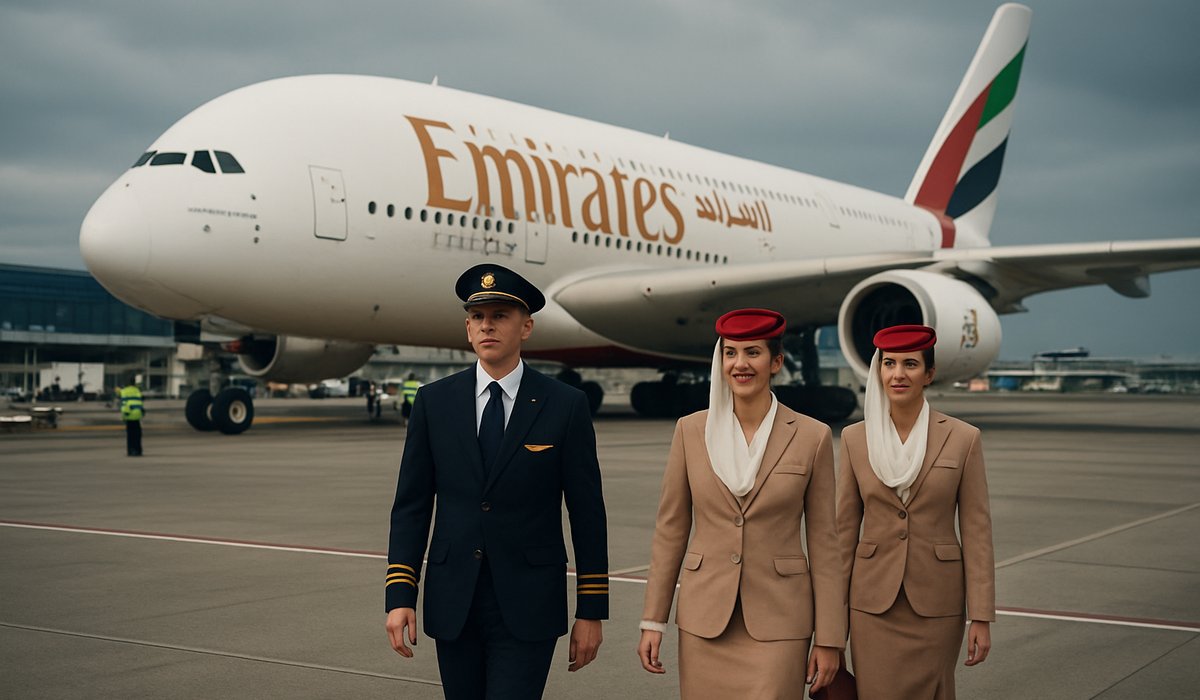
Image generated by AI
Emirates Reveals True Cost Behind A380 First Class Luxury: What the Airline Actually Spends Per Passenger
An exclusive breakdown of the airline's spending on ultra-premium cabin amenities reveals surprising economics behind one of aviation's most exclusive products
The Hidden Economics of Ultra-Premium Air Travel
Emirates' Airbus A380 first class represents the pinnacle of commercial aviation luxury, with one-way tickets frequently exceeding $10,000 on intercontinental routes. Yet behind the gilded cabin doors—lined with private suites, caviar service, and onboard shower spas—lies a more nuanced financial reality than passengers might assume.
New data on per-passenger spending reveals how the airline allocates resources across its most exclusive offering, shedding light on the economics that support one of aviation's most talked-about premium products.
What Emirates Invests in First Class Experience
The carrier's first class amenities represent a carefully calibrated investment in passenger experience. Each traveler enjoys access to private suites, unlimited premium caviar selections, rare vintages of Champagne, bespoke luxury amenity kits, and exclusive shower spa facilities—amenities that create an unmistakable aura of excess.
However, the actual per-passenger expenditure on these services tells a different story than the premium ticket prices suggest. The breakdown of costs reveals how airlines balance operational expenses with revenue maximization on ultra-premium routes.
Strategic Pricing vs. Actual Operating Costs
First class fares regularly command prices exceeding $10,000 for single segments, yet the margin between ticket price and onboard service costs is substantially wider than many travelers realize. This disparity reflects the high fixed costs of operating the A380 platform itself—fuel consumption, crew expenses, and aircraft depreciation—distributed across a relatively small first class cabin.
The economics demonstrate why airlines maintain these ultra-premium offerings despite serving only a limited number of passengers per flight. The per-seat revenue generated justifies the operational commitment, even when individual service costs are relatively modest compared to ticket prices.
Industry-Wide Implications for Premium Air Travel
Emirates' first class model has influenced competitor strategies across the long-haul aviation sector. Airlines including Singapore Airlines, Qatar Airways, and Lufthansa have invested heavily in comparable premium experiences, competing on cabin design, culinary offerings, and personalized service rather than pricing alone.
The sustainability of these ultra-premium products depends on sustained demand from high-net-worth travelers and corporate clients willing to pay premium fares, particularly on routes connecting major financial and business hubs.
What This Means for Aviation's Future
As fuel costs remain elevated and airlines navigate post-pandemic capacity challenges, the economics of first class service continue to evolve. Emirates' investment in A380 first class amenities represents a calculated bet that demand for ultra-premium experiences will remain resilient, even as broader travel patterns shift.
FAQ: Understanding Airline First Class Economics
How much does Emirates spend per first class passenger on A380 amenities? The airline's per-passenger spending on first class services—including caviar, Champagne, suites, and shower facilities—is substantially lower than the $10,000+ ticket prices suggest, reflecting how fixed aircraft costs are distributed across cabin capacity.
Why are A380 first class fares so expensive if operational costs are lower? Ticket pricing reflects overall aircraft operating costs, fuel expenses, crew salaries, and profit margins, not just onboard amenities. The premium reflects exclusivity and limited cabin capacity rather than service costs alone.
Which airlines offer comparable first class experiences to Emirates? Singapore Airlines, Qatar Airways, and Lufthansa operate competitive ultra-premium products with comparable amenities and pricing structures on long-haul international routes.
Is first class air travel economically sustainable for airlines? Yes, when targeted at high-net-worth individuals and corporate clients on premium routes, first class generates sufficient per-seat revenue to justify operational costs despite serving small cabin populations.
How do airline fuel costs impact first class pricing? Elevated jet fuel prices increase overall aircraft operating costs, which are passed to passengers across all cabin classes, including first class where premium fares accommodate surcharges more readily than economy.
Related Travel Guides
Disclaimer
This article is for informational and educational purposes only. It does not constitute legal, financial, or professional advice. While we strive to provide accurate and up-to-date information, travel policies, regulations, and conditions change rapidly. Always verify information with official sources before making travel decisions. Nomad Lawyer makes no representations about the accuracy, reliability, completeness, or suitability of the information provided. Readers should consult qualified professionals for advice specific to their circumstances. The views expressed in this article are those of the author and do not necessarily reflect the views of Nomad Lawyer.
Kunal K Choudhary
Co-Founder & Contributor
A passionate traveller and tech enthusiast. Kunal contributes to the vision and growth of Nomad Lawyer, bringing fresh perspectives and driving the community forward.
Learn more about our team →