
Heathrow Chaos Hundreds Stranded: 300+ Flights Disrupted April 2026
Over 300 flights disrupted at London Heathrow in April 2026, leaving hundreds stranded across British Airways, American Airlines and Lufthansa. Cascading delays and cancellations ripple through Europe's busiest hub affecting transatlantic and continental routes.

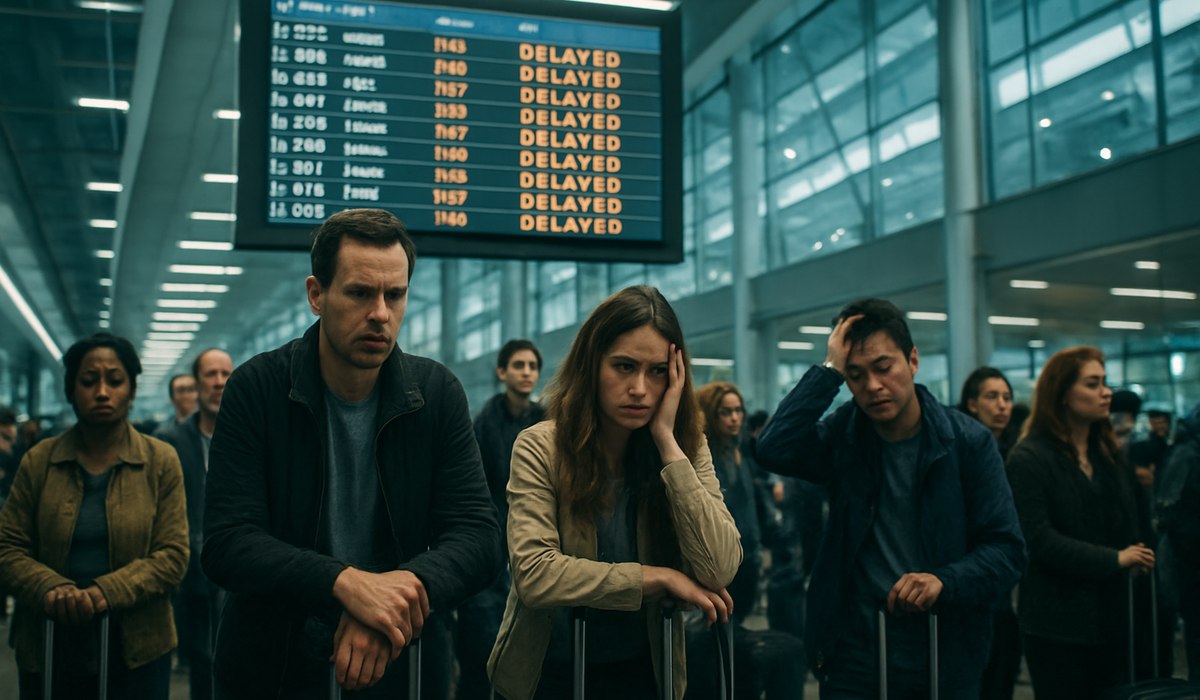
Image generated by AI
Heathrow Chaos Hundreds: Major Wave of Flight Disruptions Strands Passengers
Over 300 flights were delayed or cancelled at London Heathrow Airport on April 9, 2026, leaving hundreds of passengers stranded across multiple carriers. British Airways, American Airlines, and Lufthansa all experienced significant service disruptions affecting key European and transatlantic routes. The heathrow chaos hundreds incident represents one of the spring season's most severe operational failures, with cascading delays and cancellations compounding throughout the day as aircraft, crews, and ground infrastructure fell out of synchronization across the airport's busiest terminal hub.
The disruption highlighted how vulnerable modern aviation networks remain to operational instability, even when weather conditions are manageable. Once departure banks began running late, aircraft turnaround times compressed rapidly, leaving insufficient buffers for crew changes, maintenance checks, and passenger connections.
Widespread Delays Ripple Through Europe's Busiest Hub
London Heathrow, handling over 80 million passengers annually, experienced severe operational strain as more than 300 movements involving major carriers fell behind schedule or were removed from operation entirely. Aviation tracking platforms like FlightAware documented the heathrow chaos hundreds spreading across both domestic and international operations.
The disruption occurred during peak spring travel season when North American transatlantic demand peaks. Aircraft arriving from overnight flights across the Atlantic faced extended ground holds, preventing them from serving their planned European rotations. Simultaneously, inbound European services experienced compression on taxiways and holding patterns, as limited gate availability forced carriers to hold aircraft on the tarmac rather than at terminal positions.
Unlike weather-related disruptions that resolve as conditions improve, operational disruptions triggered by cascading delays persist because each late flight creates knock-on effects for subsequent sectors. Crew duty-time limitations prevented pilots and flight attendants from operating additional legs, forcing last-minute cancellations. Maintenance backlogs emerged as aircraft spend longer than scheduled on the ground, missing scheduled servicing windows.
How Cascading Delays Lead to Mass Cancellations
When one flight operates 90 minutes late, the crew assigned to the next service may have already exceeded their maximum duty hours. Rather than operating that flight with fatigued crew—prohibited under aviation regulations—carriers cancel the service, moving passengers to later flights that are often already fully booked. This creates a domino effect that accelerates through the day.
At Heathrow specifically, British Airways' short-haul European turnarounds typically require 45-60 minutes between landing and next departure. When arrivals slip 2-3 hours behind schedule, these turnarounds become impossible to achieve safely. Crews cannot complete required pre-flight checks, catering trucks cannot restock galley items, and ground handling teams cannot turn aircraft quickly enough.
For American Airlines and Lufthansa services, the heathrow chaos hundreds impact proved equally severe. American's transatlantic hub connections depend on predictable Heathrow arrival windows to feed onward flights to European cities. When inbound wide-body aircraft arrive 3+ hours late, hundreds of connecting passengers miss their booked onward flights, flooding rebooking queues with frustrated travelers.
Lufthansa's Frankfurt and Munich hub feeds experience similar disruption when London operations falter. As their Heathrow feeder flights stack up, back-hauling aircraft to Germany runs late, creating congestion at those primary European hubs. The heathrow chaos hundreds thus radiates across the entire network, affecting airports from Dublin to Zurich within hours.
Impact on Major European Routes and Passenger Options
British Airways operates 15-20 daily transatlantic services from Heathrow to major US cities including New York JFK, Los Angeles, Chicago, and Boston. When the heathrow chaos hundreds forced cancellations, passengers faced rebooking onto services 24-48 hours later, or rerouting through competing carriers with dramatically higher fares.
European routes to Amsterdam, Paris, Frankfurt, and Madrid also experienced cascading disruption. Short-haul passengers connecting to long-haul flights found their onward services cancelled or delayed, creating a ripple effect across the network. Unlike transatlantic cancellations where alternative routing options exist, European short-haul passengers often have fewer alternatives due to slot limitations at competing airports.
Major European hubs including Amsterdam Schiphol, Zurich, and Dublin also reported significant delays on April 9, 2026, eliminating traditional rerouting options. Passengers unable to depart Heathrow couldn't simply transfer to flights from Amsterdam or Zurich due to cascading disruption affecting those airports as well. This system-wide constraint trapped travelers in terminals with limited alternatives.
Airline alliance partnerships—OneWorld, SkyTeam, and Star Alliance—provided some relief by allowing rebooking across partner carriers. However, spring demand was already strong, leaving few empty seats available. Many passengers faced rebooking delays of 24-72 hours rather than same-day alternatives.
What This Means for Travelers
The heathrow chaos hundreds incident underscores critical vulnerabilities in operational resilience at Europe's busiest airport. For travelers planning transatlantic journeys through London, several key takeaways emerge from April 2026's disruption:
Booking flexibility matters significantly. Passengers with flexible tickets or lower fare restrictions faced easier rebooking. Those locked into specific flights experienced much longer delays in resolving disruptions.
Arriving at the airport early provides minimal protection during operational disruptions. Once cascading delays begin, gate assignments change frequently, and departure boards require constant monitoring.
Travel insurance with flight disruption coverage becomes valuable. Standard airline liability covers meals and accommodation during overnight delays, but coverage varies by airline and booking class.
Avoiding tight connections through Heathrow reduces exposure to cascading delays. Booking separate tickets with minimum 3-hour connection windows proved more resilient than 2-hour connections during the heathrow chaos hundreds incident.
Monitoring official airline communications through their apps and websites provided the most reliable updates. Third-party tracking apps offered real-time data, but official channels provided rebooking options first.
Traveler Action Checklist
-
Check your airline's official website or app for current flight status before arriving at the airport.
-
Take screenshots of your booking reference and itinerary in case online systems become overwhelmed.
-
If your flight is cancelled, contact your airline immediately through their app or phone line rather than waiting in terminal queues.
-
Request rebooking options before asking about accommodation compensation—faster alternatives may be available.
-
Document all expenses (meals, hotels, transportation) with receipts for compensation claims under EU Regulation 261/2004 if applicable.
-
Register for SMS or push notifications from your airline to receive real-time updates as disruptions evolve.
-
Contact your travel insurance provider if delay coverage applies to activate claims before returning home.
-
Request written confirmation of your new flight time and airline name if rebooking occurs, as phone conversations can be disputed.
-
Keep passenger receipts showing meal and accommodation purchases—airlines require itemized expenses for reimbursement.
-
File formal compensation claims within the airline's deadline if you're entitled to EU261 payments for delays exceeding 3 hours on arrival.
Operational Data Summary
| Metric | Details |
|---|---|
| Total Flights Disrupted | 300+ (delays and cancellations) |
| Passengers Affected | 500+ (estimated across three carriers) |
| Primary Affected Airlines | British Airways, American Airlines, Lufthansa |
| Peak Disruption Time | 14:00-22:00 GMT, April 9, 2026 |
| Primary Routes Impacted | London-New York, London-Chicago, London- |
Disclaimer
This article is for informational and educational purposes only. It does not constitute legal, financial, or professional advice. While we strive to provide accurate and up-to-date information, travel policies, regulations, and conditions change rapidly. Always verify information with official sources before making travel decisions. Nomad Lawyer makes no representations about the accuracy, reliability, completeness, or suitability of the information provided. Readers should consult qualified professionals for advice specific to their circumstances. The views expressed in this article are those of the author and do not necessarily reflect the views of Nomad Lawyer.
Preeti Gunjan
Contributor & Community Manager
A passionate traveller and community builder. Preeti helps grow the Nomad Lawyer community, fostering engagement and bringing the reader experience to life.
Learn more about our team →