
Guyana Kanashen Tourism: Wai-Wai Community-Led Conservation Model
Guyana advances sustainable tourism in the Kanashen Amerindian Protected Area, a 625,000-hectare Indigenous-owned territory managed by the Wai-Wai people.

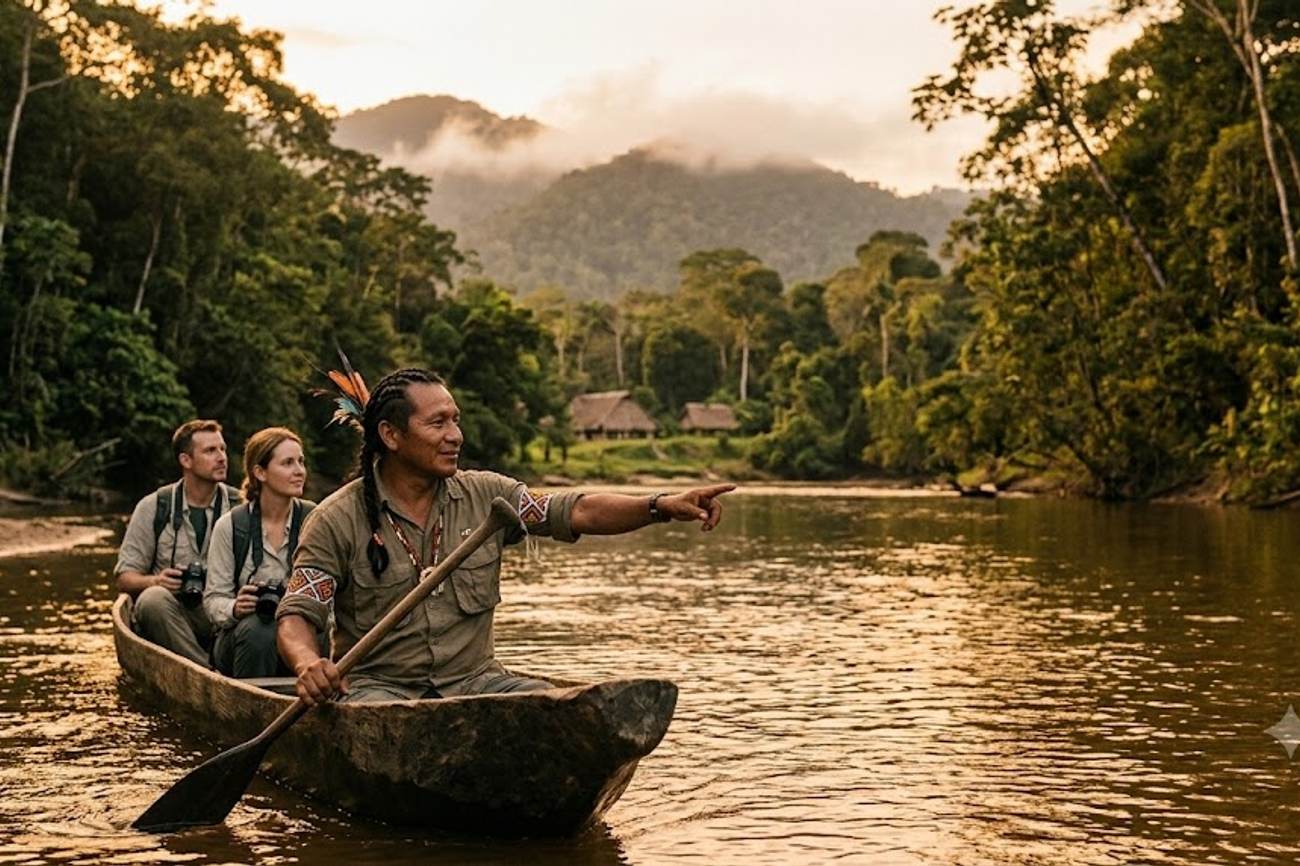
Image generated by AI
Guyana Advances Wai-Wai Tourism Across Kanashen Rainforest
Guyana is implementing a strategic shift toward Indigenous-managed tourism within the Kanashen Amerindian Protected Area. Located in the country's remote south, this region encompasses the headwaters of the Essequibo River and represents the only Indigenous-owned territory within Guyana’s National Protected Areas System.
The Kanashen Village Council holds primary management authority, supported technically by the Protected Areas Commission. This framework integrates legal land rights with biodiversity protection and low-impact tourism.
Governance and Legal Framework The transition to a protected area followed a series of legal milestones:
- 2004: The Wai-Wai community received absolute title to ancestral lands.
- 2007: The territory was designated a Community-Owned Conservation Area under the Amerindian Act.
- August 2017: The area was officially gazetted as a national protected area.
Management is executed through a dedicated team of rangers who handle biodiversity inventories, patrols, and data collection.
Ecological Profile Kanashen is a critical component of the Guiana Shield, characterized by evergreen forests, mountains, and complex river systems. The territory includes the headwaters of the Essequibo River and tributaries such as the Kamoa, Sipu, Chodikar, and Kassikaityu rivers.
Key geographical and biological markers include:
- Topography: Includes Wassarai, Yahore, Komoa, and Kaiawakua mountains.
- Wildlife: Documented species include jaguars, giant river otters, giant anteaters, and harpy eagles.
- Land Use: Extremely low population density and a lack of industrial development have preserved the primary rainforest.
Tourism Strategy: Access Over Infrastructure The Guyana Tourism Authority is avoiding the traditional resort model. Instead, the focus is on "meaningful travel" and small-scale visitation. Tourism activities are restricted to low-impact experiences:
- River-based expeditions via canoeing.
- Forest trekking and birdwatching.
- Fishing and swimming in the Essequibo.
By utilizing river corridors and existing trails rather than constructing new roads, the community limits physical disturbance to the ecosystem.
Key Facts Breakdown
- Total Area: 625,000 hectares (approx. 3% of Guyana’s total land area).
- Status: Largest terrestrial protected area in Guyana.
- Governance: Managed by the Kanashen Village Council.
- Primary Waterway: Essequibo River headwaters.
- Strategic Goal: Rejection of mass-tourism in favor of conservation-centric experiences (reaffirmed May 2026).
- Global Recognition: Part of the Tourism Cares Global Meaningful Travel Map (as of September 2026).
Why This Matters
From a logistical and industry perspective, Kanashen represents a departure from the "concession" model of tourism, where outside operators manage land. Here, the Wai-Wai control the entire value chain—from land ownership to the employment of guides and rangers.
For travelers, this means the "product" is no longer a hotel stay, but access to a restricted, primary ecosystem. The real impact is the shift in the tourist's role: visitors are not merely consumers but direct contributors to a conservation fund managed by the Indigenous inhabitants. This creates a high-barrier, high-value entry point that protects the environment from the degradation typically associated with increased accessibility.
Industry Outlook
Market trends suggest a growing global demand for "extreme" eco-tourism that offers authentic Indigenous governance. Guyana's commitment in May 2026 to avoid mass tourism suggests that Kanashen will remain a niche, low-volume destination.
Expect further integration of community-owned ventures into global sustainable travel maps. The success of the Kanashen model will likely serve as the blueprint for other Amerindian Protected Areas in the Guiana Shield, prioritizing river-based logistics over road infrastructure to maintain ecological integrity.
Internal Link Suggestions:
- Explore more on [Guyana’s Sustainable Tourism Strategy]
- Guide to [Indigenous-Led Conservation in South America]
- Analysis of [Low-Impact Rainforest Logistics]
Related Travel Guides
Disclaimer
This article is for informational and educational purposes only. It does not constitute legal, financial, or professional advice. While we strive to provide accurate and up-to-date information, travel policies, regulations, and conditions change rapidly. Always verify information with official sources before making travel decisions. Nomad Lawyer makes no representations about the accuracy, reliability, completeness, or suitability of the information provided. Readers should consult qualified professionals for advice specific to their circumstances. The views expressed in this article are those of the author and do not necessarily reflect the views of Nomad Lawyer.
Naina Thakur
Contributor & Travel Specialist
Travel enthusiast and legal writer covering visa regulations, responsible tourism, and cultural journeys across global destinations.
Learn more about our team →