
Greece Tourism 2026: Inclusive Beaches and the Restoration of Ancient Pelina
Greece is leading the way in inclusive and historical tourism in 2026, implementing coastal accessibility infrastructure and restoring the ancient acropolis of Pelina in Thessaly.

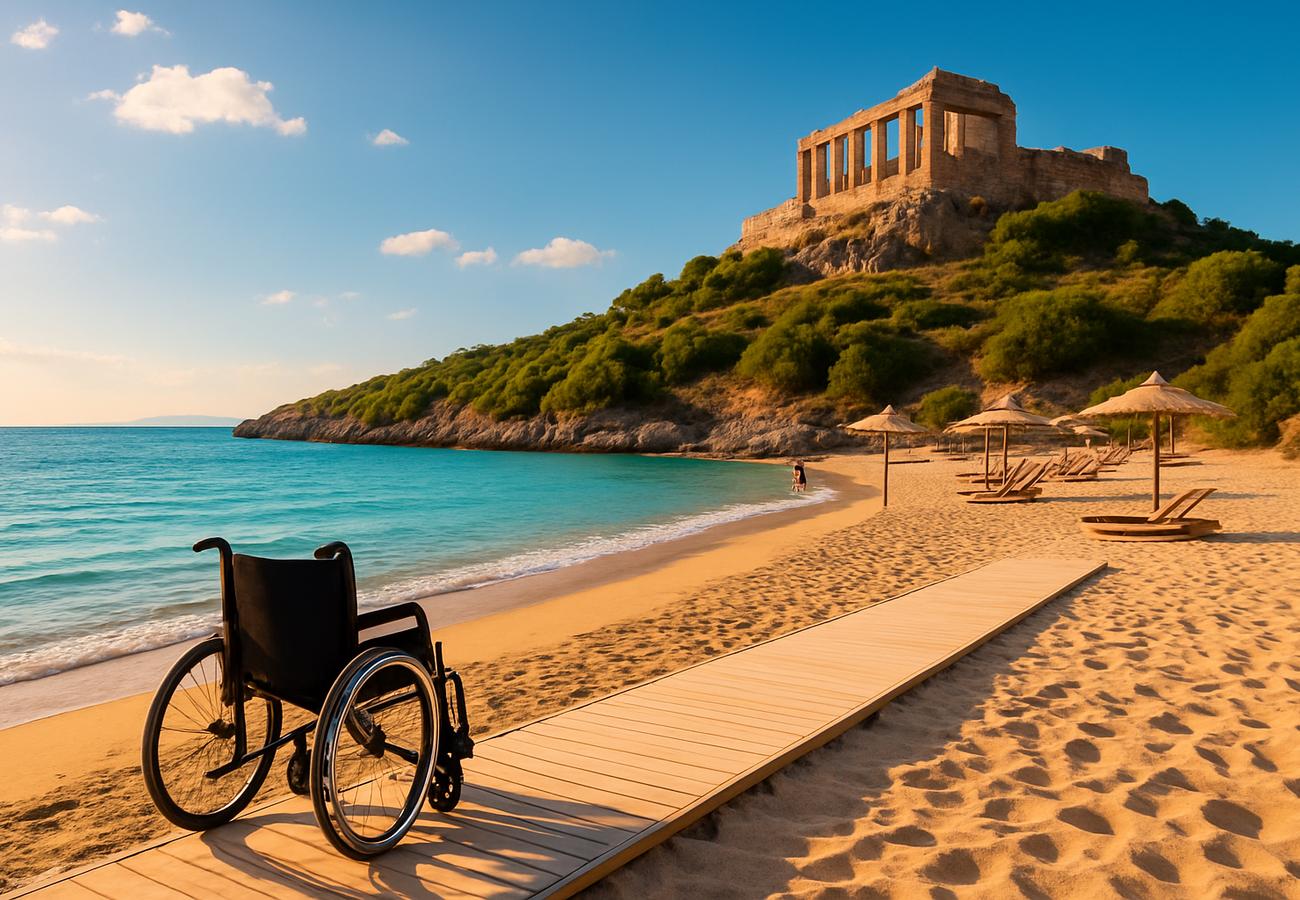
Image generated by AI
Quick Summary
- Inclusive Coastline: Greece has launched a nationwide initiative to install modern infrastructure ensuring equal beach access for all visitors, regardless of physical status.
- Heritage Milestone: The acropolis of Ancient Pelina in Thessaly is undergoing a major restoration to preserve its Hellenistic, Roman, and Byzantine legacies.
- Regional Growth: The restoration project is expected to boost the Thessaly local economy, driving demand for hotels, restaurants, and tourism services in the Trikala region.
- Cultural Diplomacy: Greece is positioning its ancient archaeological wonders as sustainable economic drivers through "gentle interventions" and improved visitor engagement.
Greece is reinforcing its position as a global leader in both social inclusivity and cultural preservation in 2026. By fundamentally transforming its coastline with accessible infrastructure and investing in the restoration of the Ancient Pelina acropolis, the Ministry of Tourism is targeting a more diverse and high-value international audience. The project in Thessaly, located just 16 kilometers from Trikala, is particularly significant as it revives one of the most important cities of Ancient Estiaotida. This dual focus ensures that while the country’s natural beauty remains accessible to all, its historical depth is preserved and showcased through modern, sustainable tourism practices that benefit local communities and safeguard Greece’s historical identity for future generations.
Greece 2026: Inclusive Coastal Infrastructure and Heritage Restoration Milestones
The following table highlights the key developments in Greece's 2026 tourism roadmap.
| Initiative / Site | Location | Core Development | Primary Objective |
|---|---|---|---|
| Inclusive Beaches | National Coastline | Modern Ramps & Accessibility Tools | Equal Sea Access for All |
| Ancient Pelina | Trikala, Thessaly | Acropolis & Fortification Restoration | Historical Tourism Growth |
| Ancient Estiaotida | regional Thessaly | Archaeological Site Mapping | Cultural Diplomacy Expansion |
| Coastal Infrastructure | Nationwide | Sustainable Seaside Facilities | Inclusive Tourism Leadership |
| Thessaly Economy | Regional Hubs | Tourism-Related Business Support | Local Socio-Economic Growth |
| Pelina Acropolis | 16km East of Trikala | Wall & Structure Preservation | Hellenistic Heritage Protection |
Inclusive Tourism: Ensuring Equal Access to the Greek Sea
Greece has committed to making its world-famous beaches accessible to everyone:
- Universal Design: Installation of state-of-the-art ramps, autonomous sea-access systems (SEATRAC), and specialized changing facilities across major coastal zones.
- Policy Commitment: The initiative is part of a broader government strategy to ensure that "The Sea belongs to everyone," removing physical barriers for people with disabilities and elderly travelers.
- Global Standard: By prioritizing inclusivity, Greece is setting a new benchmark for Mediterranean tourism, attracting travelers who require accessible travel solutions.
Ancient Pelina: Reviving a Hellenistic Stronghold in Thessaly
The restoration of Ancient Pelina is a cornerstone of Thessaly’s tourism revitalization:
- Historical Significance: Once a strategic acropolis in Ancient Estiaotida, Pelina flourished during the Hellenistic period and remained vital through the Roman and Byzantine eras.
- Preservation Work: Current efforts focus on the fortified walls and internal structures, ensuring that the site’s historical integrity is maintained while improving visitor safety.
- Educational Potential: The site provides invaluable insights into the defense and urban planning of ancient Greek city-states, serving as an "open-air museum" for history enthusiasts.
Economic Impact: Boosting the Thessaly Regional Tourism Sector
The investment in Ancient Pelina is driving tangible benefits for the local population:
- Job Creation: Increased tourist arrivals are stimulating employment in hospitality, guided tours, and museum management.
- Service Demand: Local restaurants, boutique hotels, and transport services in Trikala are seeing a steady rise in demand from historical tourism.
- Diversification: The region is moving beyond seasonal tourism by offering year-round educational programs and cultural events centered around its archaeological assets.
Sustainable Preservation: Protecting the Historical Identity of Estiaotida
Greece is utilizing "gentle interventions" to ensure sustainability:
- Authenticity: Restoration work is focused on preserving the original stone and architectural layout, avoiding invasive modern reconstructions.
- Interpretive Services: New signage and digital guides are being integrated to provide visitors with a deeper understanding of the Hellenistic and Roman worlds.
- Environmentally Conscious: The project aligns with national goals for eco-friendly tourism, ensuring that the site’s development does not compromise the surrounding natural landscape.
The Future of Cultural Diplomacy: Heritage as an Economic Driver
Ministerial reports highlight that heritage tourism is key to Greece’s 2026-2030 vision:
- Global Ambassadors: By inviting international students and historians to Pelina, Greece is fostering a global network of cultural ambassadors.
- Strategic Hubs: Thessaly is being positioned as a "cultural corridor," connecting the monasteries of Meteora with the ancient ruins of Trikala and Pelina.
- Resilience: Strengthening the cultural tourism sector makes the local economy more resilient to global travel fluctuations by providing high-quality, unique experiences.
FAQ: Greece Tourism 2026
What are the most accessible beaches in Greece in 2026? The Ministry of Tourism has upgraded hundreds of beaches nationwide with SEATRAC systems and accessible ramps; check the official "Accessible Greece" portal for live locations.
Where is Ancient Pelina located? Ancient Pelina is located approximately 16 kilometers east of the city of Trikala in the Thessaly region of Greece.
Why is the restoration of Pelina important? Pelina was a major Hellenistic city-state; its restoration preserves a vital part of Greece's ancient history while boosting the local economy through sustainable tourism.
Related Travel Guides
Disclaimer
This article is for informational and educational purposes only. It does not constitute legal, financial, or professional advice. While we strive to provide accurate and up-to-date information, travel policies, regulations, and conditions change rapidly. Always verify information with official sources before making travel decisions. Nomad Lawyer makes no representations about the accuracy, reliability, completeness, or suitability of the information provided. Readers should consult qualified professionals for advice specific to their circumstances. The views expressed in this article are those of the author and do not necessarily reflect the views of Nomad Lawyer.
Kunal K Choudhary
Co-Founder & Contributor
A passionate traveller and tech enthusiast. Kunal contributes to the vision and growth of Nomad Lawyer, bringing fresh perspectives and driving the community forward.
Learn more about our team →