
Zero Carbon Meetings: Global Nations Compete on Sustainable Events
The UK, Japan, Singapore, and other nations are transforming business events into zero-carbon summits, turning sustainability into competitive geopolitical strategy and economic advantage.

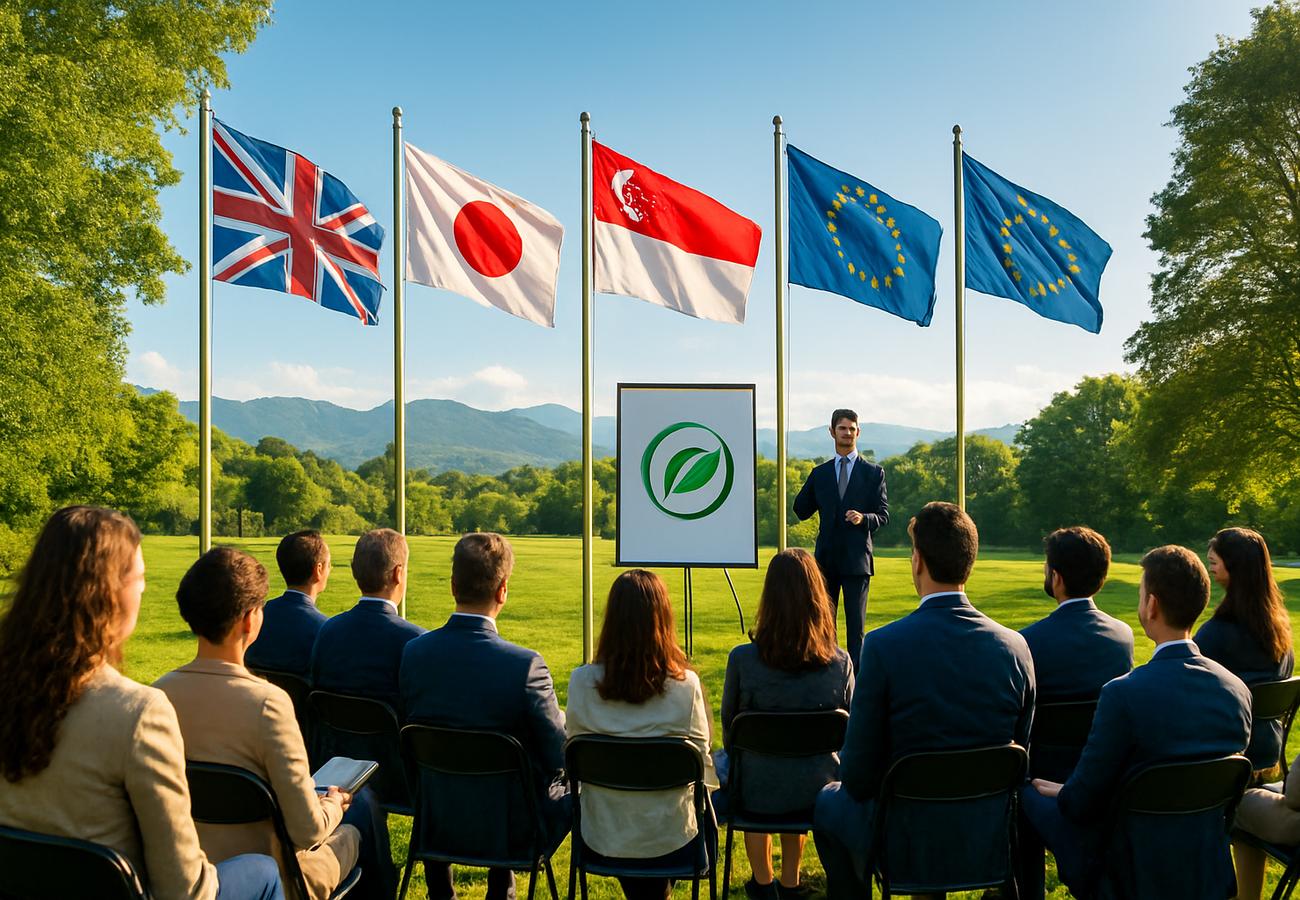
Image generated by AI
I've watched the global event industry transform dramatically over the past eighteen months. What started as environmental commitments has become something far more consequential: a fierce international competition where nations leverage sustainable conferences as tools for climate leadership, investor attraction, and geopolitical influence. The United Kingdom, Japan, Singapore, Australia, China, Taiwan and dozens of other countries are now redesigning their entire business-events sectors around zero-carbon infrastructure.
The stakes are clear. As international organisations demand measurably greener event strategies, countries that lead in sustainable meetings gain diplomatic credibility, attract innovation capital, and dominate the emerging climate-tech economy. This isn't just environmental responsibility—it's become a battle for economic and political positioning.
How Zero Carbon Meetings Became Global Competition
The competitive intensity shifted dramatically after the United Kingdom hosted COP26 in Glasgow. That summit established an entirely new benchmark for climate-conscious event planning. Governments quickly realised that hosting sustainability-focused gatherings could generate economic opportunities, improve diplomatic standing, and encourage private investment into clean technology sectors.
Today, business tourism is rapidly becoming a climate-driven industry. International organisations now demand renewable energy integration, cleaner transport options, and sustainable procurement systems across all major conferences. Nations investing aggressively in these frameworks aren't simply protecting the environment—they're attracting long-term investment, innovation partnerships, and diplomatic influence.
Reddit: "Event sustainability just became geopolitics. Countries are literally competing to host the greenest conferences." — r/sustainability
The global Net Zero Carbon Events initiative has documented how the events industry faces mounting pressure to reduce emissions from transport, venue operations, food systems, and waste generation. Countries recognise this pressure as an opportunity rather than a burden.
The United Kingdom's Sustainable Events Blueprint
The UK positioned itself as the pioneer after COP26, where organisers promoted public transport access, renewable electricity systems, and transparent carbon reporting across the entire summit infrastructure. The British government later reinforced this commitment through legally binding net-zero legislation, while UK-based event operators joined the international climate-focused events pledge.
Large British venues are now redesigning conferences around carbon accounting and waste reduction frameworks. Climate-focused gatherings such as London Climate Action Week continue expanding international participation. The UK model combines national climate policy with practical event-sector reforms—a template other countries are actively replicating for future global summits and mega exhibitions.
France Transforms the Olympics Into Sustainability Showcase
France took a different approach by turning the Paris 2024 Olympics into a global low-carbon demonstration project. According to the official Paris 2024 sustainability programme, organisers promised significantly lower emissions than previous Olympic Games by relying on existing venues, public transport systems, and renewable electricity infrastructure.
French authorities integrated broader climate diplomacy into their strategy. Paris continues hosting international sustainability conferences, green innovation summits, and technology forums directly linked to climate transition. The country's event policies increasingly focus on reducing aviation emissions and improving circular waste systems—positioning France as one of Europe's strongest advocates for sustainable international gatherings.
The UAE's Strategic Climate Events Pivot
The United Arab Emirates dramatically expanded its climate-event ambitions during COP28 in Dubai. That summit allowed the nation to present itself as a modern sustainability and innovation hub despite being a major oil producer.
Dubai's Expo City was redesigned as a low-carbon urban district with renewable energy systems, smart mobility infrastructure, and green architecture. The broader UAE strategy combines sustainable events with tourism, investment attraction, and diplomatic influence. Through initiatives such as the World Green Economy Summit, the country attempts to position itself at the centre of global sustainability discussions—though ongoing scrutiny regarding fossil fuel dependence remains a complication.
Scandinavia's Green Event Management Leadership
Sweden and Denmark have emerged as leading organisers of sustainable events. Both countries already possess strong renewable energy systems, advanced public transport networks, and ambitious climate policies according to research from Oxford Net Zero.
Scandinavian events increasingly focus on cycling access, renewable-powered venues, sustainable food sourcing, and strict waste reduction policies. Cities such as Stockholm and Copenhagen now host numerous climate-tech summits and sustainability expos, strengthening the Nordic region's reputation as an international laboratory for low-carbon event management.
Singapore's Dominance as Asia's Sustainable Events Hub
Singapore has aggressively expanded its reputation as Asia's sustainable business-events centre. The city-state combines advanced urban planning with efficient public transport, smart-city technologies, and strict environmental standards that few competitors can match.
Major venues such as Marina Bay Sands increasingly market sustainability credentials to attract international conferences focused on energy transition, ESG finance, and climate innovation. The government invests heavily in green buildings and low-emission infrastructure while supporting events such as Singapore International Energy Week and Ecosperity Week. Through its broader climate and finance strategy, Singapore aims to become the regional leader in carbon markets and sustainability diplomacy.
Major Zero Carbon Events Scheduled for 2026
The calendar speaks for itself. Here are the significant sustainability-focused conferences happening globally this year:
January–March 2026: The World Economic Forum Annual Meeting 2026 (Davos, January 19–23), GreenBiz 26 (Phoenix, February 17–19), and India Climate Week 2026 (New Delhi, March 12–17) set the early pace.
April–July 2026: Events accelerate with Carbon Forward Asia 2026 (Singapore, March 24–26), the Global Fashion Summit 2026 (Copenhagen, May 5–7), and the Asia Climate Summit 2026 (Hong Kong, July 7–9).
September–November 2026: Major conferences include the International Conference on Sustainable Development 2026 (Rome, September 9–10) and COP30 Climate Action Meetings in Belém, Brazil (November).
Pending dates in 2026: The World Green Economy Summit (Dubai), Festival of Sustainability and Awareness (Milan), and Asia Carbon Capture conference (Kuala Lumpur) continue the competitive calendar.
Why This Competition Matters for Travel Law
For nomadic professionals and international business travellers, this shift has immediate implications. Event visa requirements are evolving. Carbon reporting standards are becoming legally binding in multiple jurisdictions. Transportation choices for reaching conferences now carry reputational and compliance consequences as documented by the International Civil Aviation Organisation.
Countries using zero-carbon events as diplomatic tools increasingly implement travel incentives—tax credits, streamlined visas, and visa-free access for attendees of officially designated sustainable conferences. This creates a new category of travel privilege based on event participation choices.
The future of global business events isn't just greener—it's becoming a battleground for climate credibility and geopolitical influence.
Related Travel Guides
Disclaimer
This article is for informational and educational purposes only. It does not constitute legal, financial, or professional advice. While we strive to provide accurate and up-to-date information, travel policies, regulations, and conditions change rapidly. Always verify information with official sources before making travel decisions. Nomad Lawyer makes no representations about the accuracy, reliability, completeness, or suitability of the information provided. Readers should consult qualified professionals for advice specific to their circumstances. The views expressed in this article are those of the author and do not necessarily reflect the views of Nomad Lawyer.
Kunal K Choudhary
Co-Founder & Contributor
A passionate traveller and tech enthusiast. Kunal contributes to the vision and growth of Nomad Lawyer, bringing fresh perspectives and driving the community forward.
Learn more about our team →