
Global Flight Disruptions Expose Fragile Aviation Networks in March 2026
Severe weather, infrastructure failures and capacity cuts across North America, Europe and Asia Pacific triggered 31,000+ disruptions in March 2026, exposing systemic vulnerabilities in global flight networks despite strong post-pandemic recovery.

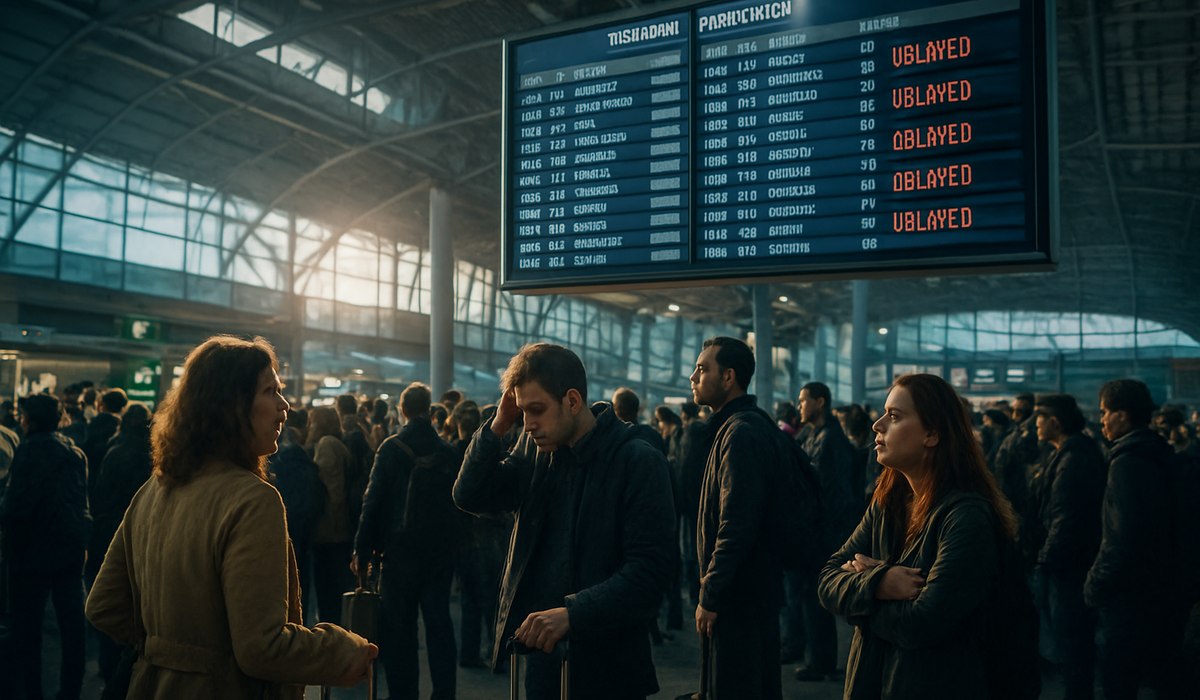
Image generated by AI
When Travel Plans Collide with Global Aviation Fragility
March 2026 exposed deep vulnerabilities in global flight networks, triggering more than 31,000 combined delays and cancellations across North America, Europe, and Asia Pacific. Despite years of post-pandemic recovery and record passenger numbers, severe weather events, infrastructure constraints, and staffing shortages demonstrated how interconnected—and fragile—modern aviation systems truly remain.
The disruptions struck during peak spring break season, stranding hundreds of thousands of travelers and forcing airlines to confront capacity limitations they've struggled to address. From Atlanta's Hartsfield-Jackson International Airport to London Gatwick and Tokyo's Narita, the cascading failures revealed that global flight disruptions remain a systemic risk even when demand is strong.
North American Operations Strained by Winter Storms and Capacity Cuts
The United States, Canada, Mexico, and Caribbean region absorbed the heaviest blow during March 2026. A powerful winter storm system swept across the Midwest in mid-March, devastating operations at major hubs including Atlanta Hartsfield-Jackson, Chicago O'Hare, and New York JFK. At Atlanta alone, hundreds of flights were canceled while crews fought to clear snow and ice, reposition aircraft, and manage ground operations during peak travel season.
Beyond weather, infrastructure work compounded the crisis. The FAA reduced arrival rates at San Francisco International Airport from 54 to 36 flights per hour due to runway construction and safety protocols. This capacity cut generated persistent ground delay programs and holding patterns, creating a chokepoint across the western network.
A chemical smell at an air traffic control facility near Washington, D.C. prompted a temporary ground stop affecting Reagan National Airport, Dulles International, and Baltimore-Washington International. The closure rippled across the entire eastern seaboard as aircraft and crews missed planned rotations. Check real-time disruption tracking via FlightAware and FAA updates for current conditions affecting your route.
European and Asia Pacific Networks Face Compounding Challenges
Across the Atlantic, Europe's busiest airports battled mounting delays rooted in structural problems, not just weather. Late March saw nearly 2,000 delays and dozens of cancellations in a single day across the UK, Germany, Spain, France, and Netherlands. International Air Transport Association data from late 2025 revealed that European air traffic control delays have more than doubled over the past decade, even as flight numbers increased modestly.
Capacity limitations and staffing gaps at air navigation service providers in France and Germany remain primary culprits. Eurocontrol's network overviews show that despite progress since 2024, en-route delays still exceed European performance targets. Airlines lack flexibility to reroute aircraft when control centers restrict traffic flows, triggering knock-on effects across long-haul and short-haul operations.
In the Asia Pacific region, March 11 alone produced 770 flight cancellations and over 2,000 delays. Heavy monsoon rains, typhoon activity, and geopolitical tensions disrupted schedules from Tokyo to Dubai. China's major carriers experienced significant cancellations at Beijing Capital, Shanghai Pudong, and Guangzhou, with airspace restrictions forcing last-minute changes. Wide-body aircraft tied up on domestic rotations cascaded into delays on international Southeast Asia and Gulf routes, demonstrating how regional disruptions propagate through complex multi-leg itineraries.
Why Global Aviation Remains Fragile Despite Strong Recovery
Global flight disruptions persist because the aviation system operates with razor-thin redundancy. Post-pandemic recovery brought record passenger volumes, but airports, air traffic control systems, and airline staffing haven't kept pace with demand growth. When storms, infrastructure work, and staffing shortages converge—as they did in March 2026—the system buckles rapidly.
Airlines maintain minimal spare aircraft and crew capacity, a cost-cutting practice that backfires during disruptions. One delayed aircraft cascades into six or more subsequent flight cancellations. Infrastructure modernization lags in Europe and Asia Pacific, while North American airports struggle with aging ground systems and runway capacity constraints.
The March 2026 disruptions exposed that resilience requires investment in redundancy—spare crews, aircraft buffers, and upgraded air traffic control systems. Without it, global flight disruptions will continue recurring with each major weather event or infrastructure project. Industry groups increasingly warn that the current system cannot handle both peak demand and routine disruptions simultaneously.
What Travelers Should Know During Peak Spring Break Season
Spring break and Easter travel demand collide with seasonal weather risks and scheduled infrastructure work. Passengers booking flights between March and May should expect potential delays and cancellations, particularly on routes serving major hubs. Airlines are actively working to restore schedules, but residual delays may persist for weeks after disruptions clear.
Check your airline's disruption policies, understand your rights under US Department of Transportation regulations, and monitor real-time flight status via FlightAware. Book flexible tickets when possible, arrive extra early for connections, and pack medications and essentials in carry-on baggage.
Traveler Action Checklist
- Monitor flight status daily using FlightAware and your airline's app, especially 48 hours before departure
- Verify your airline's rebooking policy on their website or by phone before travel dates
- Purchase travel insurance that covers weather-related cancellations and disruptions through March 2026
- Arrive 3 hours early for domestic flights and 4 hours for international flights during peak season
- Photograph your itinerary and booking confirmation for documentation if you need to file claims
- Know your passenger rights under DOT regulations, including meal vouchers and hotel accommodations for overnight delays
- Request written confirmation of any rebooking, refund, or delay compensation before leaving the airport
- Contact your airline directly rather than relying on automated systems if rebooking is needed
Key Disruption Data: March 2026 Global Flight Impact
| Region | Delays | Cancellations | Primary Cause | Peak Hub | Impact |
|---|---|---|---|---|---|
| North America | 18,500+ | 12,500+ | Winter storms, capacity cuts | Atlanta, Chicago, NYC | 31,000+ total disruptions |
| Europe | 1,800+ | 200+ | ATC staffing, control delays | UK, Germany, France | Doubled delays vs. decade ago |
| Asia Pacific | 2,000+ | 770+ | Monsoons, typhoons, geopolitics | Tokyo, Beijing, Shanghai | Cascading wide-body delays |
| San Francisco | 800+ | 300+ | Runway construction | SFO | Reduced capacity 33% (54→36 flights/hour) |
| Washington D.C. | 500+ | 200+ | ATC facility closure | Reagan, Dulles, BWI | Ground stop disrupted eastern network |
| China Domestic | 950+ | 450+ | Airspace restrictions, weather | Beijing, Shanghai, Guangzhou | International route delays |
FAQ: Global Flight Disruptions and Your Travel Plans
Q: What does "global flight disruptions" mean for my upcoming trip? A: Global flight disruptions refer to widespread delays and cancellations across multiple continents caused by weather, infrastructure problems, or staffing shortages. In March 2026, over 31,000 flights were affected. Check your specific route on FlightAware and contact your airline directly for booking changes before your travel date.
**Q: Am I entitled to compensation if
Disclaimer
This article is for informational and educational purposes only. It does not constitute legal, financial, or professional advice. While we strive to provide accurate and up-to-date information, travel policies, regulations, and conditions change rapidly. Always verify information with official sources before making travel decisions. Nomad Lawyer makes no representations about the accuracy, reliability, completeness, or suitability of the information provided. Readers should consult qualified professionals for advice specific to their circumstances. The views expressed in this article are those of the author and do not necessarily reflect the views of Nomad Lawyer.
Preeti Gunjan
Contributor & Community Manager
A passionate traveller and community builder. Preeti helps grow the Nomad Lawyer community, fostering engagement and bringing the reader experience to life.
Learn more about our team →