
GCC Nations Integrate Smart Travel Networks to Power Saudi AI Tourism
Bahrain, UAE, and GCC partners integrate AI-driven smart travel networks to support Saudi Arabia's Vision 2030 tourism goals and digital infrastructure.

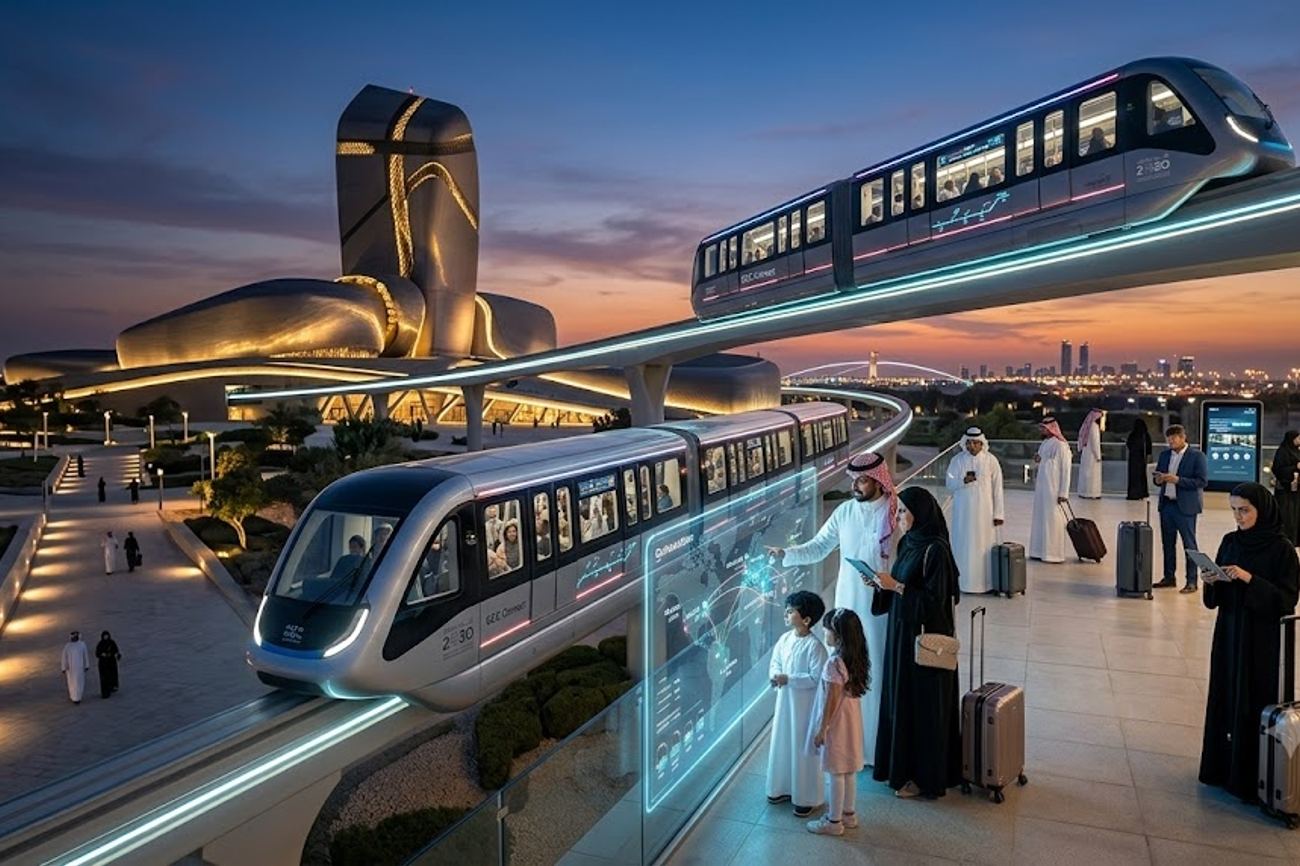
Image generated by AI
Saudi Arabia is pivoting its tourism strategy toward an intelligent infrastructure designed to move beyond traditional volume growth. The Kingdom is currently implementing a "machine-readable" ecosystem where AI-driven systems process visitor preferences in real-time to deliver predictive analytics and personalized travel recommendations.
A central component of this evolution is the Unified Tourism Services Platform, unveiled during LEAP 2026. This digital environment consolidates tourism licensing, investment services, and compliance processes. The platform is augmented by "Tourism X," an AI-powered support system designed to optimize user access to sector services.
Regional Integration and the GCC Network
The expansion of Saudi Arabia’s AI tourism capabilities is not happening in isolation. A coordinated effort across the Gulf Cooperation Council (GCC) is creating a connected tourism market. This regional synergy is anchored by the GCC Unified Tourist Visa concept, which aims to facilitate seamless cross-border movement.
The UAE and Bahrain are primary drivers of this connectivity. The UAE leverages its global aviation hubs in Dubai and Abu Dhabi to funnel international traffic into Saudi destinations, while Bahrain optimizes short-haul, experience-based tourism. This allows AI platforms to generate multi-country itineraries that combine luxury stays in Dubai with heritage visits to AlUla or religious travel to Jeddah.
Transit Specifications: GCC AI Tourism Contributions
| Country | Strategic Role in Saudi AI Ecosystem | Primary Contribution |
|---|---|---|
| Bahrain | Short-haul smart connectivity | Weekend tourism flows & digital cooperation |
| UAE | Global aviation & tech infrastructure | International gateways & AI innovation |
| Qatar | Aviation & business connectivity | International passenger data & digital innovation |
| Oman | Cultural & nature diversification | Multi-destination nature/heritage packages |
| Kuwait | Regional demand stabilization | Family, leisure, and religious travel flows |
| Jordan | Heritage linkage | Regional cultural travel packages |
| Egypt | Mass market connectivity | Large-scale religious/cultural visitor networks |
| Turkey | Aviation exchange | International transit connectivity |
Traveler Logistics Guide
From a ground-level perspective, the best way to navigate this evolving AI-integrated region is to consolidate digital identities. As Saudi Arabia and its neighbors move toward machine-readable systems, travelers should prioritize the following:
- Unified Visa Management: Monitor the rollout of the GCC Unified Tourist Visa. Once fully active, this will eliminate the need for individual country applications, allowing for "circuit" travel between Riyadh, Dubai, and Manama.
- Digital Transit Wallets: Use official government apps for entry and exit. In Saudi Arabia, ensure all permits for protected sites (like AlUla) are linked to your digital ID to avoid bottlenecks at AI-managed checkpoints.
- Optimal Layover Strategy: For those entering via UAE or Qatar, schedule layovers of at least 12–24 hours. This allows the AI-driven "smart gateway" systems to process transit data more efficiently and provides a window to utilize the regional luxury tourism links.
- Cross-Border Transit: When traveling between Bahrain and Saudi Arabia, utilize the Causeway's digital clearance systems to minimize wait times, as these are the first points of integration for the new smart travel networks.
Infrastructure Impact Assessment
The shift toward an AI-powered tourism network transforms the region from a collection of individual destinations into a single, integrated tourism bloc. By utilizing predictive analytics, the Ministry of Tourism can now manage destination density, preventing over-tourism at heritage sites while maximizing revenue in emerging luxury zones.
This infrastructure reduces friction for high-net-worth travelers and business tourists, effectively turning the GCC into a "seamless zone" where the transition from an international flight in Dubai to a boutique hotel in the Red Sea is managed by a single, interconnected digital layer.
Related Travel Guides
Disclaimer
This article is for informational and educational purposes only. It does not constitute legal, financial, or professional advice. While we strive to provide accurate and up-to-date information, travel policies, regulations, and conditions change rapidly. Always verify information with official sources before making travel decisions. Nomad Lawyer makes no representations about the accuracy, reliability, completeness, or suitability of the information provided. Readers should consult qualified professionals for advice specific to their circumstances. The views expressed in this article are those of the author and do not necessarily reflect the views of Nomad Lawyer.
Preeti Gunjan
Contributor & Community Manager
A passionate traveller and community builder. Preeti helps grow the Nomad Lawyer community, fostering engagement and bringing the reader experience to life.
Learn more about our team →