
Moldova Integrates Agritech into Tourism Strategy to Drive Rural Economic Growth
Moldova is leveraging smart farming and digital agricultural innovation in Chișinău, Cricova, and Orhei to create new high-value tourism corridors for 2026.

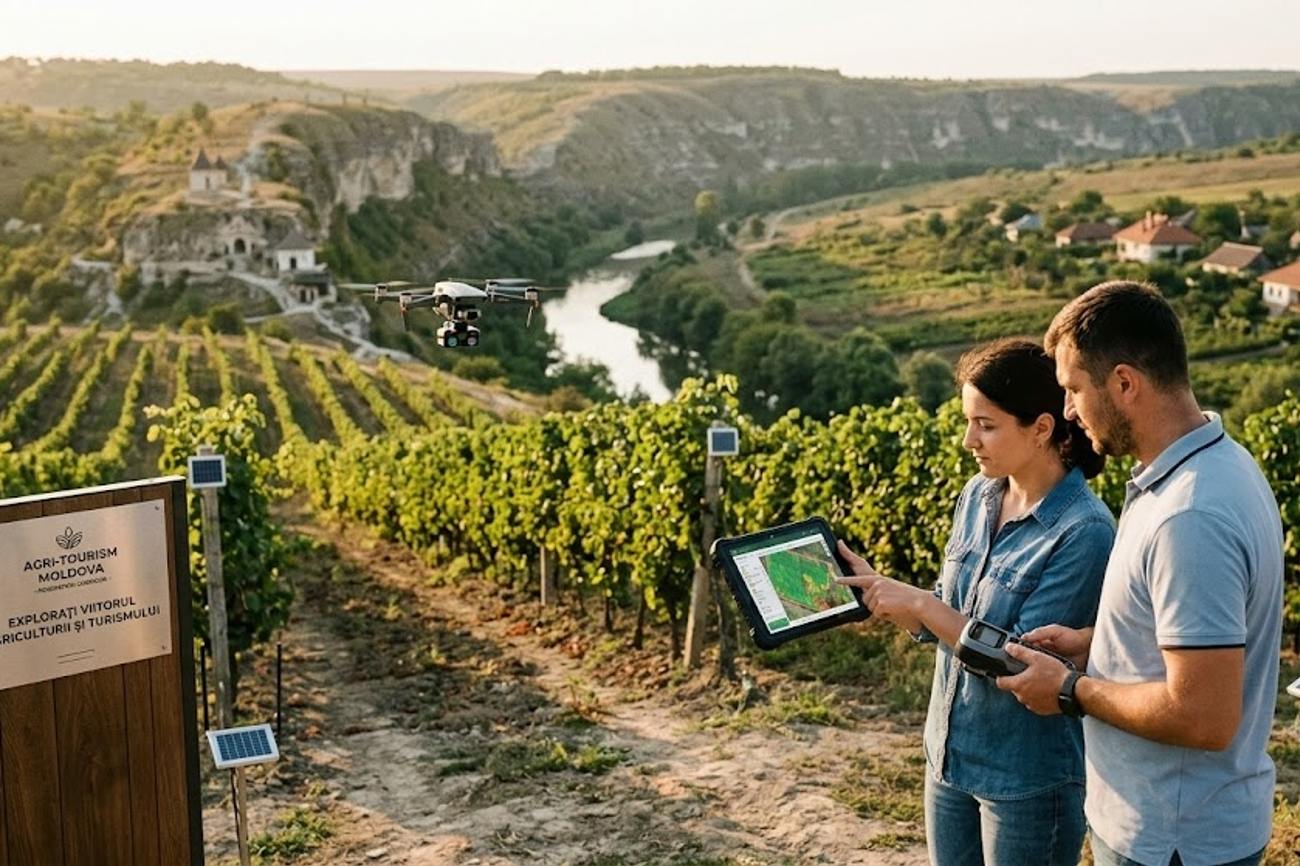
Image generated by AI
Digital Transformation of the Moldovan Countryside
Moldova is currently executing a strategic shift, repositioning its agricultural sector as a primary driver for tourism growth. By integrating digital innovation into farming and viticulture, cities including Chișinău and Cricova are evolving into destinations where sustainable production meets visitor engagement.
The transition focuses on "smart tools" and modern production systems. This evolution allows the country to move beyond traditional farming, creating a distinct tourism identity rooted in authenticity, local culture, and technological advancement.
The strategy targets three primary growth pillars:
- Wine Tourism: Enhancing the prestige of vineyards through precision management.
- Ecological Journeys: Utilizing sustainable farming to attract eco-conscious travelers.
- Rural Exploration: Opening agricultural sites to international visitors via digital platforms.
Chișinău: The Agritech Command Center
Chișinău has evolved from a purely administrative and business hub into the central node of Moldova’s agrifood innovation ecosystem. The capital now serves as the critical link between technology startups, international investors, and rural operators.
The city's tech sector is driving the adoption of data-based farming and automation. This shift is not merely industrial; it is creating a new urban-rural tourism network. Visitors using Chișinău as a gateway can now access digital vineyard tours and food innovation exhibitions before heading into the countryside.
Precision Viticulture in Cricova
Cricova serves as the benchmark for how agricultural technology can be monetized through tourism. The city's famous underground wine complex has successfully merged traditional winemaking with modern visitor infrastructure.
To combat climate challenges and maintain premium quality, the region has implemented:
- Precision Vineyard Management: Digital monitoring of crop health and environmental conditions.
- Climate-Controlled Storage: Advanced underground systems to ensure product stability.
- Interactive Education: Shifting the visitor experience from simple tasting to educational journeys regarding grape cultivation and production technology.
Heritage and Sustainability in Orhei and Beyond
In Orhei, the focus is on the synergy between smart farming and archaeological heritage. By implementing smart irrigation and modern crop management, the region is preserving the cultural landscape of Orheiul Vechi while improving the viability of local farms.
This model allows rural villages to offer authentic, sustainable experiences that appeal to travelers seeking a connection between history and modern ecological practices.
Regional Innovation Map 2026
The following data outlines the specific technological focuses and tourism opportunities across Moldova's key agricultural regions:
| City / Region | Agricultural Innovation Focus (2026) | Technologies Utilized | Tourism Growth Opportunity | Key Visitor Experiences |
|---|---|---|---|---|
| Chișinău | National hub for agrifood innovation & investment | Digital platforms, agritech startups, data-driven farming | Gateway for smart farming & culinary tours | Agritech exhibitions, farm-to-table events |
| Cricova | Advanced wine production & underground tech | Precision vineyard management, climate-controlled storage | Premium wine tourism destination | Underground wine city tours, vineyard experiences |
| Orhei | Sustainable agriculture & cultural landscapes | Smart irrigation, modern crop management | Heritage tourism combined with farming | Archaeological tourism, traditional cuisine |
| Bălți | Large-scale farming & research center | Soil research, crop technology, sustainable systems | Educational & research-based tourism | Farm demonstrations, agricultural heritage routes |
| Ialoveni | Wine-growing & rural entrepreneurship | Vineyard tech, digital marketing tools | Boutique winery & rural stay expansion | Winery visits, vineyard landscapes |
| Comrat | Regional production & cultural tourism | Modern food processing, vineyard improvements | Ethnic food tourism & rural discovery | Traditional cuisine, cultural villages |
| Soroca | Agricultural heritage & rural development | Sustainable farming, local food production | Dniester region cultural tourism | Local farms, heritage tourism |
Key Takeaways
- Economic Diversification: Moldova is moving from raw agricultural production to "experience-based" agriculture.
- Tech-Driven Appeal: The use of precision farming and smart irrigation is being used as a marketing tool to attract modern, eco-conscious tourists.
- Strategic Hubs: Chișinău is the investment and entry point, while Cricova and Orhei provide the specialized "product" (wine and heritage).
- Sustainability: Digital tools are being used specifically to adapt traditional farming to climate change, ensuring the long-term viability of tourism sites.
FAQ
How is technology changing wine tourism in Moldova? Wineries are implementing precision vineyard management and digital monitoring, allowing tourists to learn about the science of viticulture alongside traditional tasting.
Which city is the best starting point for agritourism in Moldova? Chișinău serves as the primary gateway, offering agritech exhibitions and connections to the various rural routes across the country.
What makes Orhei's approach to tourism unique? Orhei blends smart irrigation and sustainable farming with the archaeological significance of Orheiul Vechi, linking food production with historical heritage.
Related Travel Guides
Disclaimer
This article is for informational and educational purposes only. It does not constitute legal, financial, or professional advice. While we strive to provide accurate and up-to-date information, travel policies, regulations, and conditions change rapidly. Always verify information with official sources before making travel decisions. Nomad Lawyer makes no representations about the accuracy, reliability, completeness, or suitability of the information provided. Readers should consult qualified professionals for advice specific to their circumstances. The views expressed in this article are those of the author and do not necessarily reflect the views of Nomad Lawyer.
Preeti Gunjan
Contributor & Community Manager
A passionate traveller and community builder. Preeti helps grow the Nomad Lawyer community, fostering engagement and bringing the reader experience to life.
Learn more about our team →