
Gaudi Year 2026 Drives Barcelona Tourism Boom as Spain Celebrates 100th Anniversary of Antoni Gaudi's Death
Spain's Gaudi Year 2026 commemorates the centennial of Antoni Gaudi's death, igniting a tourism surge in Barcelona as UNESCO heritage sites and Catalan Modernism attract millions of global visitors seeking authentic cultural experiences.

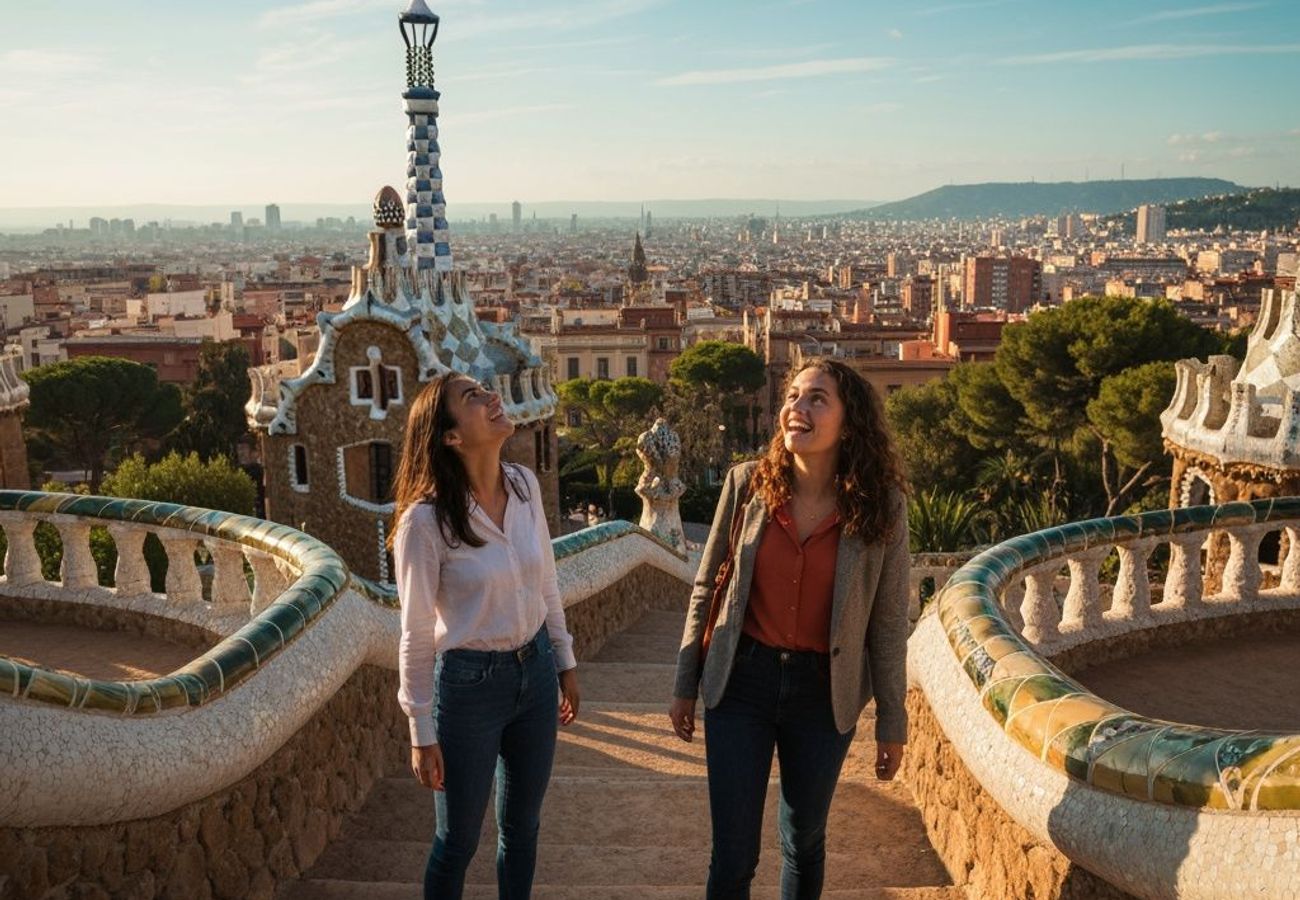
Image generated by AI
A Centennial Awakens Barcelona's Global Tourism Machine
Spain is experiencing a seismic shift in international travel interest as Gaudi Year 2026 marks the 100th anniversary of architect Antoni Gaudi's death. This year-long cultural celebration is transforming Barcelona into the epicenter of global heritage tourism, with UNESCO-listed masterpieces and architectural landmarks commanding unprecedented visitor attention.
The numbers are staggering. Barcelona already welcomes millions of travelers annually, but tourism authorities predict this centennial will shatter previous records. The city's iconic monuments—Sagrada Familia, Park Guell, Casa Batllo, and Casa Mila—are experiencing surge bookings as visitors worldwide recognize this as a once-per-generation opportunity to immerse themselves in the legacy of one of history's greatest architects.
Reddit: "I've been planning a Barcelona trip for two years, but now I'm rushing to book for 2026. Missing Gaudi Year feels like missing history." — r/travel
Why Gaudi's Centennial Matters Now More Than Ever
One hundred years after his death, Antoni Gaudi remains a global phenomenon. His visionary designs didn't just shape Barcelona—they redefined how the world thinks about architecture, creativity, and urban identity. The 2026 commemorations place the spotlight squarely on a man whose influence transcends architecture into art history, engineering innovation, and spiritual philosophy.
What makes this moment exceptional is timing. Heritage tourism has become one of the fastest-growing travel segments globally, and cultural seekers are actively searching for authentic, transformative experiences tied to history and artistic achievement. Gaudi Year 2026 provides exactly that—a sanctioned, globally recognized framework for deep engagement with architectural genius and Catalan Modernism.
The celebration extends beyond mere tourism promotion. It represents a comprehensive cultural initiative that includes museums exhibitions, guided educational programs, commemorative events, and heritage conservation efforts. Tourism stakeholders, cultural institutions, and local governments have invested substantially in creating programming that connects past achievements with contemporary cultural development.
Seven UNESCO Masterpieces: The Heart of Heritage Tourism
Seven works by Antoni Gaudi have received UNESCO World Heritage recognition—a designation that underscores their exceptional universal significance and importance to global cultural heritage. These sites function as powerful magnets for international visitors and serve as cornerstone attractions in Spain's tourism economy.
Sagrada Familia stands as the undisputed centerpiece. This monumental basilica has transcended its role as a building to become Barcelona itself—a globally recognized symbol appearing in countless travel publications, documentaries, and social media posts. The basilica attracts millions annually through its soaring towers, intricate facades, and profound symbolic design that continues evolving under contemporary craftspeople.
Park Guell captivates visitors through an entirely different lens—where colorful mosaics and imaginative sculptural forms merge architecture with landscape design. The site functions as an open-air museum where nature and human creativity achieve unprecedented harmony.
Casa Batllo mesmerizes with its organic shapes, flowing lines, and vibrant façade that seems almost alive to visitors. Casa Mila demonstrates Gaudi's revolutionary approach to urban residential architecture through innovative structural solutions that still baffle modern engineers.
These UNESCO-recognized sites transcend conventional tourist attractions. They function as educational resources that help visitors understand architectural evolution, artistic experimentation, and the formation of cultural identity. According to UNESCO's official recognition criteria, Gaudi's works exemplify outstanding human creative genius expressed through masterpieces of original conception.
Catalan Modernism: The Broader Movement Reshaping Barcelona's Image
Gaudi's legacy cannot be isolated from Catalan Modernism—the broader artistic and architectural movement that emerged during Catalonia's period of cultural and economic transformation. This style established a unique regional identity that fundamentally distinguishes Barcelona from other European cities.
Contemporary travelers navigating Barcelona encounter Catalan Modernism's influence everywhere. Decorative facades display meticulous craftsmanship. Ornamental details showcase creative vision. Material usage demonstrates innovation. Structural solutions challenge engineering conventions. The entire urban landscape becomes a testament to a specific moment in history when creativity and regional pride merged into something unprecedented.
Gaudi stands at the apex of this movement, making his buildings pilgrimage sites for architecture enthusiasts and cultural explorers. The centennial celebrations encourage visitors to explore the wider historical context—understanding not just individual buildings, but the entire artistic ecosystem that produced them.
For tourism stakeholders, renewed focus on Catalan Modernism helps diversify visitor experiences. Modern travelers increasingly reject traditional sightseeing in favor of immersive journeys combining history, culture, design, gastronomy, and local traditions. Barcelona's architectural heritage provides the perfect framework for meeting these evolving expectations.
A Global Icon Strengthens Barcelona's International Brand
Few cities achieve the level of architectural brand association that Barcelona enjoys with Antoni Gaudi. His creations have become internationally recognized symbols that contribute significantly to the city's global image and tourism marketing infrastructure.
The economic impact is substantial and measurable. Visitors drawn by Gaudi's legacy invest in hotels, restaurants, transportation services, museums, retail establishments, and cultural institutions throughout the region. The architect's influence ripples through Barcelona's entire tourism ecosystem, supporting tens of thousands of jobs and generating substantial tax revenue.
Gaudi Year 2026 multiplies this impact by creating unprecedented storytelling opportunities. Through exhibitions, commemorative programming, and heritage initiatives, Barcelona reinforces its position as one of Europe's preeminent urban tourism destinations. According to recent industry analysis on cultural tourism trends, heritage-focused destinations are outperforming traditional tourism sectors in visitor retention and spending per capita.
Sustainable Tourism Aligned With Cultural Preservation
As the travel industry increasingly emphasizes sustainability and responsible tourism, cultural heritage destinations gain strategic importance. Gaudi's works align naturally with these environmental and ethical tourism trends by encouraging longer stays, deeper cultural engagement, and appreciation of local communities.
Architectural tourism motivates visitors to explore neighborhoods beyond major landmarks—discovering museums, public spaces, community attractions, and local restaurants throughout the city. This dispersal of tourism benefits helps reduce pressure on individual iconic sites while strengthening economic support across diverse neighborhoods.
Barcelona's challenge in 2026 involves balancing surging visitor demand with rigorous heritage preservation. Conservation efforts, visitor management systems, and educational initiatives must work in concert to protect Gaudi's masterpieces for future generations while maximizing contemporary access and cultural value.
The centennial year represents more than tourism statistics or economic projections. It represents a global moment when millions of people simultaneously recognize the extraordinary creative achievement of one architect and the enduring power of cities built on cultural foundations.
Barcelona doesn't just celebrate Gaudi in 2026—the world joins in remembering why genius architecture transforms cities into destinations.
Related Travel Guides
-
Antarctica Tourism Surge 2026: Last Chance Travel and the Risk of Irreparable Ecological Damage
-
Asia's Eco-Tourism Surge: Vietnam Leads Sustainable Travel Revolution
Disclaimer: This article reflects tourism industry developments and heritage site information current as of June 2026. Travelers should verify current opening hours, visitor policies, and ticket availability for Barcelona attractions before planning visits, as commemorative programming may adjust accessibility and scheduling throughout Gaudi Year 2026.
Preeti Gunjan
Contributor & Community Manager
A passionate traveller and community builder. Preeti helps grow the Nomad Lawyer community, fostering engagement and bringing the reader experience to life.
Learn more about our team →