
Gateside by TSA PreCheck Revives Airport Gate Farewells: Non-Ticketed Visitor Access Across 10 US Gateways

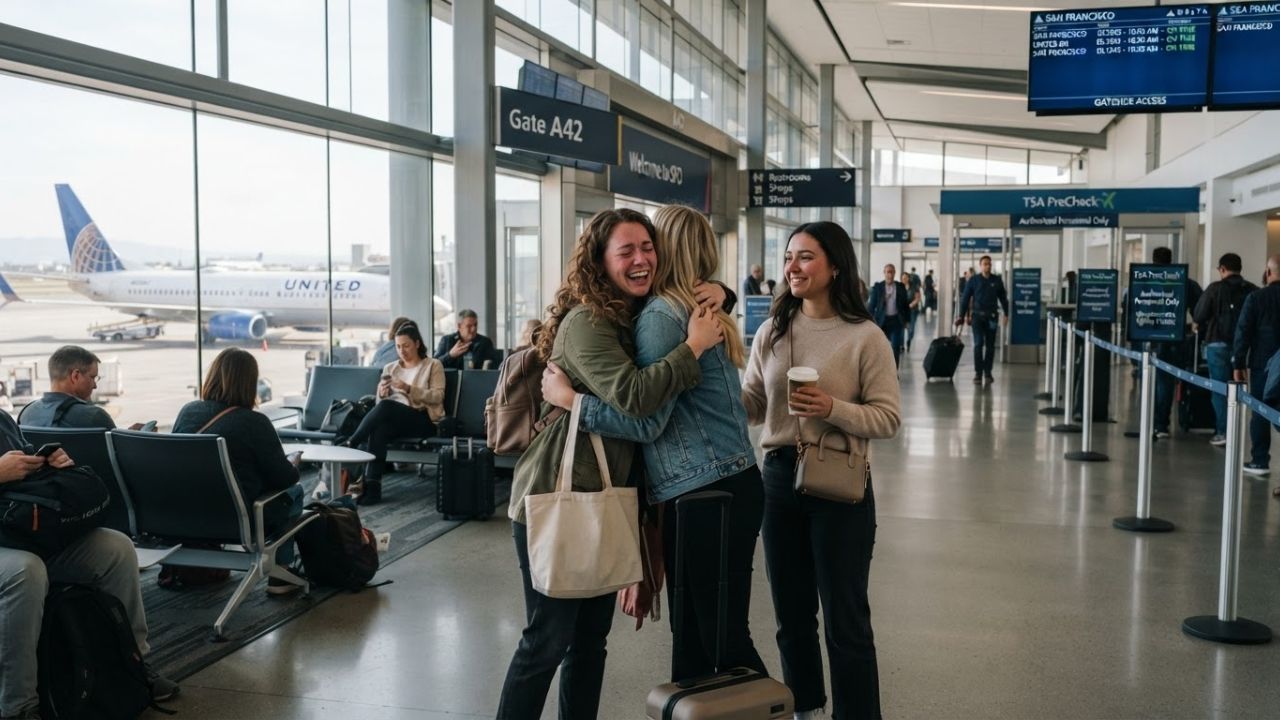
For the first time since September 11, 2001, approved non-flying visitors can accompany departing travelers directly to their boarding gates and greet arriving relatives at airside carousels under the newly launched Gateside by TSA PreCheck initiative.
The landmark program, deployed across ten initial US airports, marks a fundamental evolution in civil aviation security and passenger hospitality. By pairing biometric identity verification with TSA PreCheck screening standards, participating airports are dismantling the strict ticketed-only barrier that defined post-9/11 flying for a quarter of a century. The program allows family members to comfort anxious first-time fliers, assist elderly relatives through terminal concourses, and access high-end airside dining, retail, and observation lounges without purchasing an airline ticket.
How Gateside by TSA PreCheck Operates: Screening and Eligibility
The program operates under strict regulatory controls managed jointly by the Transportation Security Administration and local municipal airport authorities:
- Advance Digital Clearance: Non-ticketed visitors must apply online through the participating airport's portal up to seven days in advance, providing full legal names, dates of birth, and government-issued identification details.
- TSA PreCheck Background Vetting: Applicants undergo real-time automated security screening against federal watchlists before receiving a digital Gateside Pass.
- Physical Checkpoint Screening: Upon arrival at the terminal, visitors present their digital pass and government ID at designated security checkpoints, undergoing standard TSA screening protocols—including baggage X-ray inspection and adherence to the 3-1-1 liquids rule.
- Daily Capacity Quotas: To prevent security line congestion for ticketed passengers, each airport enforces strict daily visitor caps, adjusting pass availability dynamically during peak flight departure banks.
Participating US Hubs: From Los Angeles to Detroit
Ten major commercial airports across the country have launched the Gateside by TSA PreCheck protocol, tailoring visitor quotas to local concourse capacity:
| Airport | Location Code | Strategic Terminal Focus |
|---|---|---|
| Los Angeles International Airport | LAX | Tom Bradley International Terminal & Terminal 1 |
| San Diego International Airport | SAN | Terminal 2 Concourse Dining and Arts |
| Seattle-Tacoma International Airport | SEA | Central Terminal Marketplace & Gate Support |
| Detroit Metropolitan Wayne County Airport | DTW | McNamara Concourse & North Terminal |
| Ontario International Airport | ONT | Terminal 2 & Terminal 4 Community Access |
| Dallas Fort Worth International Airport | DFW | Terminals A through E Inter-Terminal SkyLink |
| Harry Reid International Airport | LAS | Terminal 1 & Terminal 3 Gateside Meet-and-Greet |
| Salt Lake City International Airport | SLC | Gateway Center Concourse B Connections |
| Indianapolis International Airport | IND | Civic Plaza and Concourse Retail Walkways |
| Wichita Dwight D. Eisenhower Airport | ICT | Regional Concourse Family Support |
Emotional Resonance and Airport Commerce: The Dual Benefit
The reintroduction of gate-side farewells restores a deeply personal dimension to commercial aviation. For two decades, tearful family goodbyes were compressed into curbside vehicle drop-offs under the watchful gaze of traffic wardens. The Gateside program allows parents to walk unaccompanied minors directly to the gate agent's desk, and enables families to celebrate military homecomings at the jet bridge door.
Simultaneously, the program transforms modern airport economics. Major hubs have invested billions in post-security infrastructure, housing Michelin-caliber dining outposts, artisan coffee roasteries, luxury boutiques, and public art exhibitions. By inviting local residents and greeters inside, airports evolve from transactional transit hubs into dynamic community dining and entertainment destinations.
Reducing Curb Congestion and Vehicle Emissions
The initiative delivers unexpected environmental benefits by altering ground transportation dynamics. Curbside vehicle idling—where drivers circle terminal access loops or idle engines for thirty minutes while waiting for late flights—is a primary source of airport air pollution.
By incentivizing greeters to park in terminal garages and enter the building to meet loved ones, participating airports alleviate terminal road congestion, decrease ground-level carbon emissions, and enhance overall airfield perimeter safety.
Local Visitor Insider Tips for Using a Gateside Airport Pass
- Book Peak-Avoidance Time Slots: Apply for pass entry times outside the high-density morning business rush (avoid 6:00 AM to 8:30 AM); afternoon windows between 1:00 PM and 4:30 PM offer the shortest checkpoint lines.
- Carry-On Liquids Compliance: Remember that non-flying visitors are subject to standard TSA screening rules; do not attempt to carry full-sized liquid containers, metal cutlery, or unapproved gifts through the scanner.
- Terminal Garage Parking Discounts: Several participating airports, including Ontario (ONT) and Detroit (DTW), offer short-term garage parking vouchers when validating dining receipts from airside restaurants.
- Plan Companion Logistics: If assisting an elderly passenger or someone with mobility challenges, notify the airline’s special assistance desk in advance so airport wheelchair teams coordinate with your Gateside arrival.
- Bypass Weekend Quota Limits: Gateside passes for holiday weekends and Sunday evenings sell out days in advance; submit digital applications the exact moment the seven-day reservation window opens.
The Long-Term Outlook for Airport Accessibility
As the Transportation Security Administration monitors operational efficiency across initial launch sites, industry analysts anticipate that automated facial recognition and digital credentialing will expand the Gateside model to additional mid-tier and regional airports nationwide.
By harmonizing rigorous biometric vetting with human-centric hospitality, American aviation is proving that high-standard national security and warm community connections can comfortably coexist in modern terminal design.
Related Travel Guides
Disclaimer
This article is for informational and educational purposes only. It does not constitute legal, financial, or professional advice. While we strive to provide accurate and up-to-date information, travel policies, regulations, and conditions change rapidly. Always verify information with official sources before making travel decisions. Nomad Lawyer makes no representations about the accuracy, reliability, completeness, or suitability of the information provided. Readers should consult qualified professionals for advice specific to their circumstances. The views expressed in this article are those of the author and do not necessarily reflect the views of Nomad Lawyer.
Raushan Kumar
Founder & Lead Developer
Full-stack developer with 11+ years of experience and a passionate traveller. Raushan built Nomad Lawyer from the ground up with a vision to create the best travel and law experience on the web.
Learn more about our team →