
Frontier bomb possible: Atlanta airport diverts A320 after passenger threats
A Frontier Airlines Airbus A320 was isolated at Atlanta's Hartsfield-Jackson airport March 29, 2026 after a passenger made bomb and death threats upon landing. Security forces responded immediately.

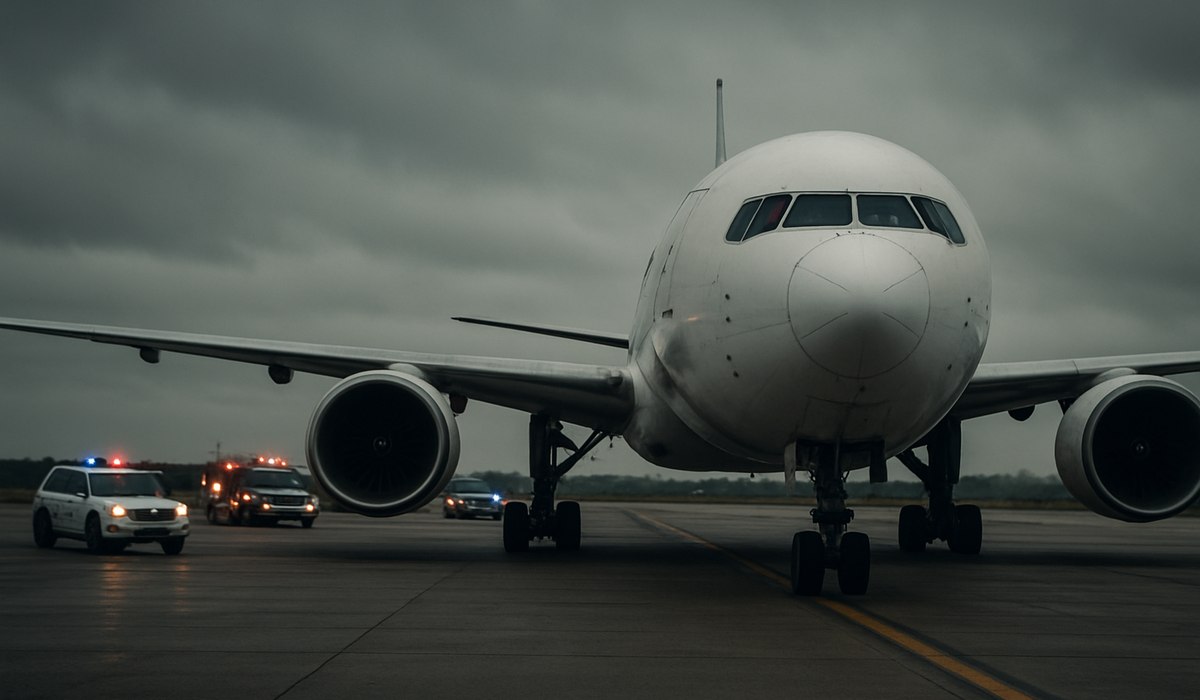
Image generated by AI
Frontier Flight Diverted at Atlanta Airport After Passenger Bomb Threat
Frontier Airlines diverted an Airbus A320 to an isolated tarmac section at Hartsfield-Jackson Atlanta International Airport (ATL) on Sunday, March 29, 2026, following serious bomb and death threats made by a passenger immediately after landing. The incident unfolded just after 5:00 PM EST when the aircraft taxied away from terminal gates and other operational areas while law enforcement and airport security personnel mobilized to address the threat.
The passenger's verbal statements triggered protocols designed to isolate potential security risks, preventing exposure to ground infrastructure and other travelers. This preventative isolation marked a textbook response to on-airport threat escalation, demonstrating how modern air safety systems prioritize passenger and worker protection during critical incidents.
Timeline of Events and Initial Response
The Frontier Airlines flight completed its descent into Atlanta's busiest airport without complications, but the situation changed dramatically within minutes of touchdown. At approximately 5:00 PM local time on March 29, the passenger made the concerning statements that immediately flagged security protocols.
Ground personnel isolated the aircraft to a remote tarmac position, separating it from terminal buildings, other planes, and concentrated passenger areas. This containment strategy prevents potential threats from affecting ground operations or secondary aircraft movements. Emergency response teams, including airport security, local law enforcement, and federal aviation officials, converged on the location.
The quick isolation response prevented escalation to gates or terminals where hundreds of additional travelers awaited connections and ground services. Hartsfield-Jackson Atlanta International Airport, America's busiest passenger hub by traffic volume, maintains robust protocols for such scenarios given the facility's operational complexity.
Security Protocol Activation and Law Enforcement Response
Airport security immediately activated threat-assessment procedures established by the FAA and Department of Homeland Security. The isolated tarmac positioning allowed investigators to approach the aircraft safely while maintaining distance from surrounding infrastructure and personnel.
Local Atlanta Police Department units coordinated with airport authority personnel and federal investigators to interview the passenger and conduct preliminary threat assessment. The containment strategy eliminated risks of the passenger accessing unsecured areas, boarding areas, or creating secondary incidents.
Hartsfield-Jackson's emergency response training centered on exactly these scenarios—rapid isolation, controlled access, and coordinated multi-agency response. The airport's geographic separation of operational zones proved critical for managing the threat without disrupting the facility's overall traffic flow during peak evening operations.
This type of incident underscores why modern airports maintain redundant taxiway networks and isolated holding areas specifically designed for security contingencies. The response protocol prevented what could have become a broader security nightmare.
Passenger Threat Details and Investigation Framework
The passenger made explicit bomb and death threat statements that triggered federal investigation protocols. Frontier bomb possible scenarios activate immediate FBI jurisdiction, as federal law treats such threats as serious regardless of substantiation likelihood.
Investigators conducted preliminary interviews with the passenger while the aircraft remained isolated. The threat assessment process involves determining whether statements represent genuine danger, mental health crisis, intoxication, or malicious intent. Each pathway leads to different legal and procedural consequences.
The isolation period allowed authorities to assess the passenger without pressuring the flight crew or aviation staff. Federal investigators search for weapons, explosive devices, or materials consistent with threat statements. Even when threats prove substantively unfounded, federal law mandates thorough investigation protocols.
The passenger remained in custody pending investigation completion and potential federal charges. Making bomb threats aboard aircraft or at airports violates 18 U.S.C. § 842, which carries penalties including fines up to $250,000 and imprisonment up to five years.
Implications for Air Travel Safety and Policy
Incidents involving hijacking threats or bomb statements ripple through aviation security frameworks nationwide. Each documented case informs threat-assessment training for flight crews, ground personnel, and security specialists. The Frontier situation reinforces that threat escalation can occur during the most vulnerable moment—when passengers transition from flying to ground operations.
Flight crews maintain authority to report passenger behavior that triggers security concerns. Airlines increasingly train cabin staff to recognize verbal escalation patterns, substance impairment, or psychological distress that may precede serious incidents. The passenger community benefits when suspicious behavior reporting prevents actual threats from materializing.
This incident contributes to evolving understanding of threat triggers in aviation environments. Post-landing periods, when passengers anticipate disembarking and reaching final destinations, sometimes coincide with behavioral crises. Cabin crew training now emphasizes heightened alertness during final descent through initial ground processing phases.
The incident demonstrates that modern aviation security architecture responds swiftly to serious threats. Isolation capabilities, trained personnel, and coordinated agency response created conditions for safe threat management without endangering the broader traveling public or airport operations.
Key Incident Data and Response Summary
| Factor | Details |
|---|---|
| Airline | Frontier Airlines |
| Aircraft | Airbus A320 |
| Airport | Hartsfield-Jackson Atlanta International (ATL) |
| Date/Time | Sunday, March 29, 2026, ~5:00 PM EST |
| Threat Type | Bomb and death threats (verbal) |
| Response | Aircraft isolated to remote tarmac area |
| Agencies Involved | FAA, FBI, Atlanta Police, Airport Security |
| Passenger Count | Estimated 150-180 (typical A320 capacity) |
| Incident Duration | Approximately 2-3 hours (isolation to clearance) |
| Legal Framework | 18 U.S.C. § 842 (aviation security threats) |
What This Means for Travelers: Action Checklist
Understanding your rights and responsibilities during flight disruptions empowers you to navigate security incidents effectively.
-
Know Your Reporting Options: If you witness suspicious behavior or concerning statements during flight, report immediately to flight attendants. Modern cabin crew training prioritizes rapid escalation of credible threats.
-
Understand Passenger Rights During Diversions: When flights divert due to security concerns, airlines must provide communication about the situation status. Request updates from flight crew about expected timeline and next steps.
-
Document Incident Details: Note timestamps, locations, and involved personnel for potential insurance claims or compensation discussions. Airlines may owe rebooking costs or compensation depending on diversion cause and duration.
-
Review Your Airline's Incident Policy: Check Frontier Airlines' website or contact customer service to understand how they handle disruptions caused by passenger threat situations versus mechanical failures.
-
Access Flight Tracking During Disruptions: Use FlightAware to track your aircraft's movements and verify official airline communications. Real-time tracking provides clarity when airport information proves limited.
-
Know Your Compensation Rights: Consult the US Department of Transportation Consumer Rights guide for regulations governing airline responsibilities during security diversions.
-
Contact FAA for Formal Complaints: Submit formal incident reports to the FAA if you believe airline response to the security incident violated safety standards or passenger protection obligations.
Frequently Asked Questions
What happens to passengers when a flight is diverted due to bomb threats?
Passengers remain aboard the aircraft during initial threat assessment unless evacuation becomes necessary. Airlines provide periodic updates about situation status and expected resolution timeframes. Once authorities clear the aircraft, passengers either continue to the original destination or disembark for rebooking. Meal service and amenities may be suspended during security protocols.
Can passengers sue airlines for delays caused by security incidents?
Airlines bear no legal liability for security-related diversions under federal law, as these constitute extraordinary circumstances beyond operational control. However, passengers may file complaints with the Department of Transportation regarding communication quality or customer service failures during incidents. Travel insurance policies may cover rebooking costs depending on coverage provisions.
**How
Disclaimer
This article is for informational and educational purposes only. It does not constitute legal, financial, or professional advice. While we strive to provide accurate and up-to-date information, travel policies, regulations, and conditions change rapidly. Always verify information with official sources before making travel decisions. Nomad Lawyer makes no representations about the accuracy, reliability, completeness, or suitability of the information provided. Readers should consult qualified professionals for advice specific to their circumstances. The views expressed in this article are those of the author and do not necessarily reflect the views of Nomad Lawyer.
Kunal K Choudhary
Co-Founder & Contributor
A passionate traveller and tech enthusiast. Kunal contributes to the vision and growth of Nomad Lawyer, bringing fresh perspectives and driving the community forward.
Learn more about our team →