
Greek Islands Luxury Resorts Threaten Milos: Real Estate Boom in Cyclades
Luxury resort development in the Cyclades threatens Milos' landscape as real estate fever surges across Greek islands in 2026, raising preservation concerns among locals and environmental groups.

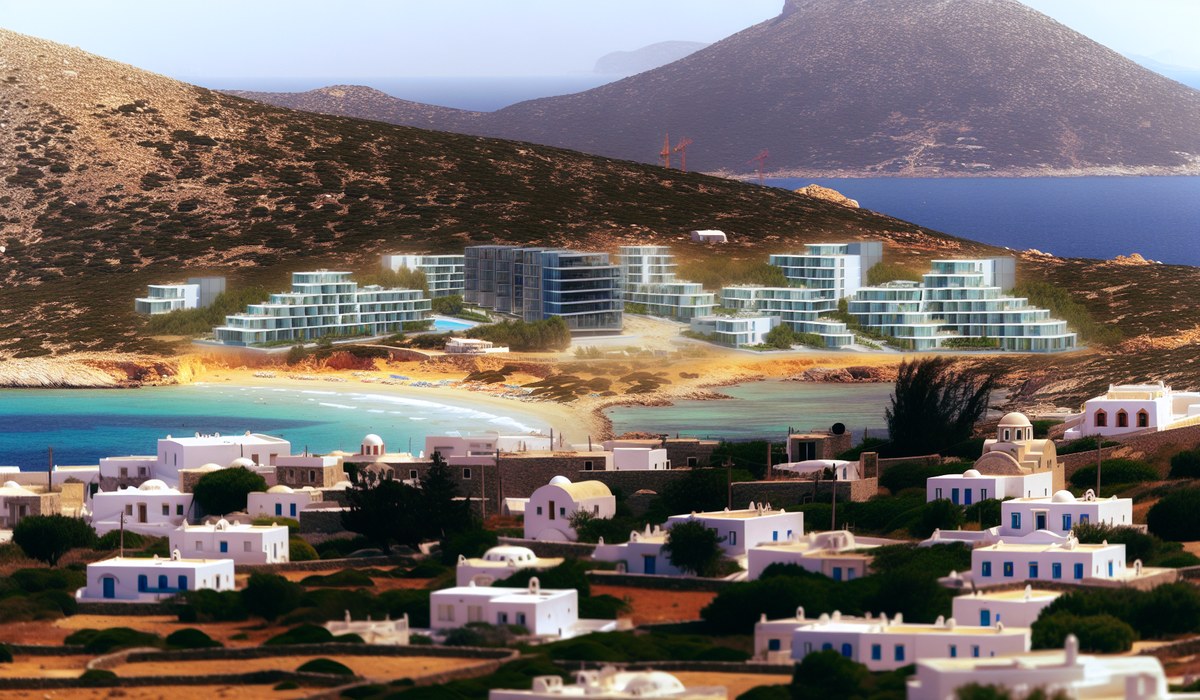
Image generated by AI
**> Quick Summary
- Milos & Cyclades Islands: Unprecedented luxury resort construction threatens traditional landscapes and local community identity
- Impact: Tourism-driven real estate development affects preservation of unique Greek island ecosystems and cultural heritage
- Traveler Action: Research sustainable accommodations in the Cyclades before booking 2026 trips
- What's Next: Local authorities and environmental groups work to establish stricter development regulations by summer 2026**
Milos, one of the Cyclades' most pristine Greek islands, faces unprecedented pressure from luxury resort development as tourism-driven real estate expansion accelerates across the archipelago in March 2026. The surge in high-end accommodation construction threatens to permanently alter landscapes that have remained largely unchanged for centuries, prompting urgent calls for preservation from environmental advocates and local communities.
Milos Emerges as Cyclades Development Flashpoint
Milos has become the focal point of concerns about uncontrolled tourism growth in the Cyclades. The volcanic island, known for its dramatic coastal formations and traditional fishing villages, now confronts multiple luxury resort proposals that would transform undeveloped coastal areas into high-end vacation properties. Real estate developers cite growing demand for greek islands luxury accommodations, particularly from international travelers seeking exclusive Mediterranean experiences. Local residents report that construction permits for tourist facilities have increased 340% compared to 2024 levels, according to regional planning authorities. The Greek Ministry of Environment has initiated reviews of pending development applications following community petitions, though no construction moratoriums have been announced as of March 19, 2026.
Cyclades-Wide Resort Expansion Reshapes Island Character
Beyond Milos, the broader Cyclades region experiences parallel development pressures. Paros, Naxos, and Antiparos have each seen significant increases in luxury resort construction, with developers targeting coastlines previously designated as low-density zones. Industry analysts estimate that over 8,217 new hotel rooms will enter the Cyclades market between 2026 and 2028, representing a 62% capacity increase. This expansion reflects Greece's positioning as a premium Mediterranean destination, with tourism revenue accounting for approximately 21% of national GDP. The Hellenic Chamber of Hotels supports controlled growth but acknowledges tensions between economic benefits and environmental preservation. Major international hospitality brands have acquired beachfront parcels across multiple islands, signaling long-term commitment to the region despite sustainability concerns.
Environmental and Cultural Preservation Challenges
The construction boom raises specific concerns about ecosystem protection and cultural heritage preservation. Marine biologists warn that coastal development threatens endemic species habitats, particularly around Milos' unique sulfur springs and volcanic formations. Traditional Cycladic architecture—characterized by whitewashed cubic structures and narrow stone pathways—faces dilution as contemporary resort designs prioritize modern aesthetics over local building traditions. Water resource management presents another critical challenge, as luxury resorts typically consume 3-5 times more water per guest than traditional accommodations, straining islands with limited freshwater supplies. Environmental impact assessments for several major projects remain incomplete, according to documents reviewed by Greenpeace Greece, raising questions about regulatory oversight effectiveness in rapidly developing areas.
Local Communities Push Back Against Unchecked Growth
Resident groups across the Cyclades have organized to demand greater control over development patterns. In Milos, the "Save Our Island" coalition gathered over 4,000 signatures—representing approximately 80% of permanent residents—calling for stricter zoning regulations and mandatory environmental reviews. Community leaders emphasize that while tourism provides essential income, the current expansion pace threatens the authentic character that attracts visitors initially. Small business owners report displacement pressures as property values surge, making long-term leases unaffordable for family-run tavernas and shops. Municipal councils in Paros and Naxos have proposed maximum building height restrictions and coastal setback requirements, though enforcement mechanisms remain under debate. Travel + Leisure Greece featured several community-led preservation initiatives in their February 2026 issue, highlighting grassroots efforts to balance economic development with cultural continuity.
Key Development Data Across Cyclades Islands
| Island | Pending Resort Projects | New Room Capacity | Investment Value (€ millions) | Expected Completion | Primary Concerns |
|---|---|---|---|---|---|
| Milos | 7 | 850 | 215 | 2027-2028 | Coastal ecosystem damage |
| Paros | 11 | 1,420 | 340 | 2026-2028 | Water resource strain |
| Naxos | 9 | 1,180 | 290 | 2027-2029 | Agricultural land loss |
| Antiparos | 4 | 520 | 165 | 2026-2027 | Village character erosion |
| Sifnos | 5 | 640 | 180 | 2027-2028 | Traditional architecture impact |
| Folegandros | 3 | 380 | 95 | 2028-2029 | Limited infrastructure capacity |
What This Means for Travelers
Visitors planning trips to the Cyclades should consider these specific actions:
- Book accommodations with certified sustainability credentials through programs like Green Key or EU Ecolabel to support responsible operators
- Schedule visits during shoulder seasons (April-May or September-October) to reduce peak-period environmental stress on island infrastructure
- Choose locally-owned guesthouses in traditional villages rather than international resort chains to support community economies directly
- Research each property's environmental practices regarding water conservation, waste management, and energy sources before making reservations
- Explore lesser-known islands like Kimolos or Serifos where development remains limited and authentic experiences are more accessible
- Participate in beach clean-ups or conservation programs offered by organizations like Aegean Rebreath during your stay
Frequently Asked Questions
What makes greek islands luxury development particularly controversial in 2026? The controversy stems from the unprecedented scale and pace of resort construction across previously undeveloped Cycladic coastlines. Environmental groups document that current projects would increase built coastal area by 47% within three years, threatening ecosystems and traditional landscapes that define the islands' appeal. Limited regulatory oversight and water resource constraints amplify concerns about long-term sustainability.
Which Cyclades islands face the most intense real estate pressure? Milos, Paros, and Naxos currently experience the heaviest development activity, with Milos alone facing seven major luxury resort proposals as of March 2026. Antiparos and Sifnos follow closely, while smaller islands like Folegandros and Kimolos remain relatively less affected due to limited infrastructure and stricter local zoning. However, developers increasingly target secondary islands as primary destinations reach capacity.
How can travelers support greek islands luxury tourism sustainably? Travelers should prioritize accommodations with verified environmental certifications, book through operators committed to community benefit sharing, and visit during off-peak periods to reduce infrastructure strain. Supporting family-run businesses, respecting local customs, and participating in conservation activities help balance tourism's economic benefits against environmental costs. Choosing islands with established sustainability frameworks maximizes positive impact.
Will Greek authorities restrict future resort development in the Cyclades? The Greek Ministry of Environment announced in February 2026 that new coastal development guidelines would be finalized by July 2026, potentially including stricter environmental review requirements and building restrictions. However, existing permits will likely remain valid, meaning currently proposed projects may proceed regardless of new regulations. Local municipal councils retain some authority to impose additional restrictions through zoning ordinances.
Related Travel Guides
Disclaimer
This article is for informational and educational purposes only. It does not constitute legal, financial, or professional advice. While we strive to provide accurate and up-to-date information, travel policies, regulations, and conditions change rapidly. Always verify information with official sources before making travel decisions. Nomad Lawyer makes no representations about the accuracy, reliability, completeness, or suitability of the information provided. Readers should consult qualified professionals for advice specific to their circumstances. The views expressed in this article are those of the author and do not necessarily reflect the views of Nomad Lawyer.
Preeti Gunjan
Contributor & Community Manager
A passionate traveller and community builder. Preeti helps grow the Nomad Lawyer community, fostering engagement and bringing the reader experience to life.
Learn more about our team →