
FlyArystan Restores Aktau to Istanbul Flights to Boost Kazakhstan's Western Tourism in 2026
FlyArystan has officially reinstated nonstop service between Aktau and Istanbul, linking Kazakhstan's Caspian coast to a global aviation hub to drive regional tourism and trade.

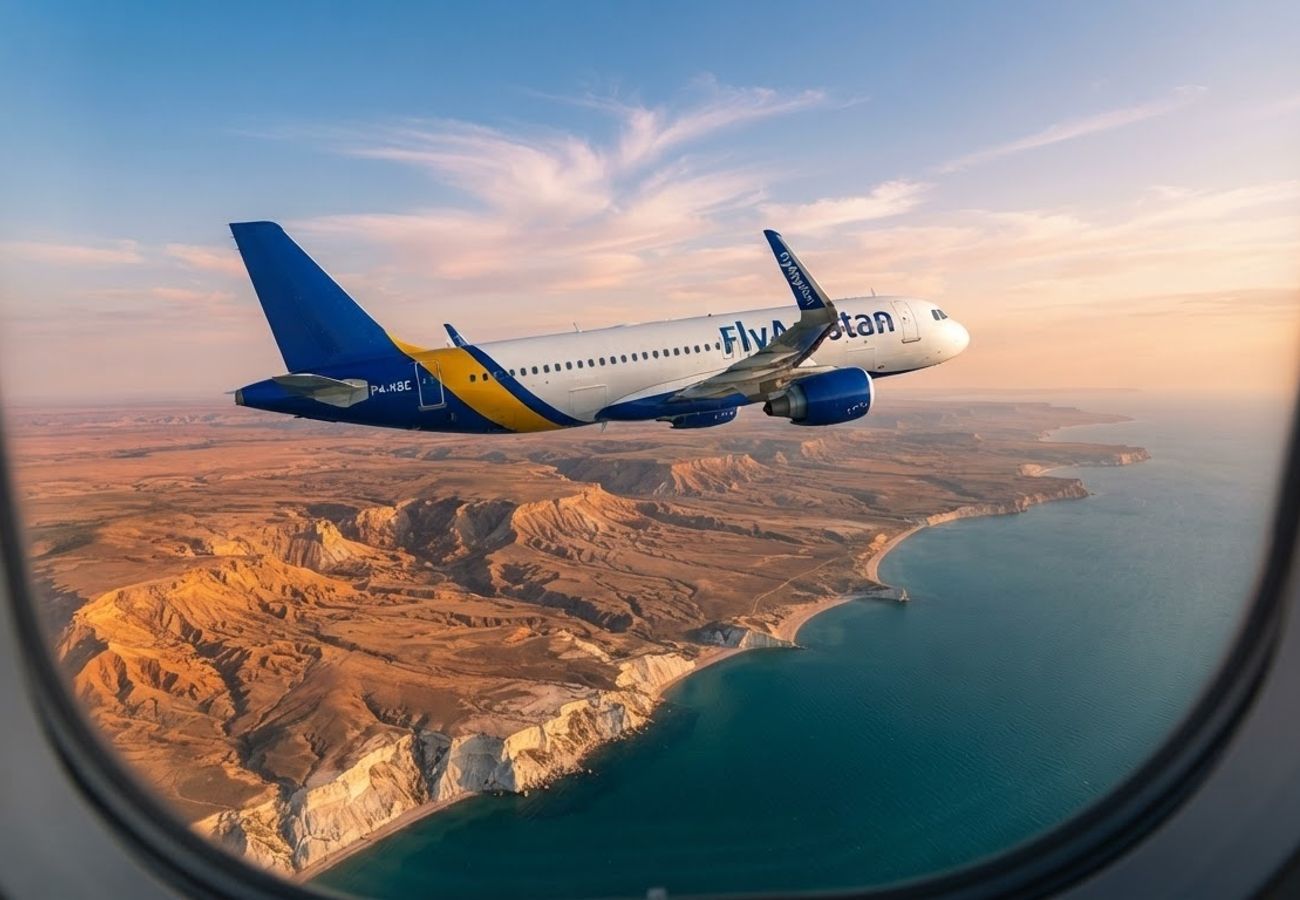
Image generated by AI
Kazakhstan’s western Caspian coastline has officially regained its direct link to one of the world's most connected aviation gateways as FlyArystan restores scheduled service between Aktau and Istanbul. This strategic move reconnects the Mangystau region with a global transit powerhouse, facilitating a surge in international tourism and streamlining trade logistics for the region.
The restoration of this corridor is not merely a route addition but a critical infrastructure link for western Kazakhstan. By leveraging Istanbul's massive hub-and-spoke network, travelers from the Caspian shore now have a streamlined path to hundreds of destinations across Europe, Asia, and the Americas without needing to transit through Almaty or Astana.
FlyArystan Deploys Airbus A320s for Aktau-Istanbul Expansion
FlyArystan, the low-cost subsidiary of the Air Astana Group, is utilizing its fleet of Airbus A320 aircraft to service the nonstop route between Aktau International Airport and Istanbul Sabiha Gökçen. According to the airline's current scheduling and digital booking platforms, the service is positioned as a high-value option, offering low base fares to stimulate demand among both leisure and business travelers.
This route is a key component of a larger strategic pivot. Reports from 2024 indicate that FlyArystan has transitioned to an independent air operator certificate, allowing it to aggressively scale its network. This expansion includes the launch of routes such as Karaganda–Istanbul and Astana–Gazipasa, alongside increased flight frequencies to Kutaisi.
The airline's capacity to sustain these routes is backed by significant fleet growth. Data from mid-2024 reveals that FlyArystan transported over 4.2 million passengers annually. A substantial portion of this traffic was driven by ultra-low promotional pricing, cementing the carrier's status as a primary growth engine for low-cost travel in Central Asia.
Leveraging Istanbul Sabiha Gökçen as a Global Gateway
For residents and businesses in the Mangystau region, the return of the Aktau–Istanbul flight represents a massive reduction in travel friction. Istanbul’s airports are globally recognized for their connectivity, serving as a bridge between the East and West.
The logistical advantage is clear: a passenger departing Aktau in the evening can connect in Istanbul to overnight flights heading toward global financial and tourism hubs such as New York, Dubai, Singapore, or London. For the professional sectors in Aktau—specifically energy, logistics, and specialized engineering—this eliminates the need for arduous multi-stop itineraries through the country's primary inland hubs.
Conversely, the route simplifies the entry point for international tourists. Travelers from the Gulf states, North America, and Europe can now access the unique landscapes of the Caspian coast via a single connection. In a competitive global tourism market, this level of accessibility is often the primary driver for tour operators when designing Central Asian itineraries.
Kazakhstan Tourism Figures Show Rapid Growth
The timing of this route restoration aligns with a broader national trend of surging visitor numbers. Official government briefings and tourism statistics indicate that in 2024, Kazakhstan welcomed more than 15 million foreign visitors (including all non-work travel). Domestic travel was equally robust, with over 10 million trips recorded.
Financial data from 2022 to 2023 shows a sharp increase in tourism expenditures, suggesting that visitors are not only more numerous but are spending more per capita. This growth has been accelerated by several key factors:
- Visa Liberalization: Simplified entry requirements have lowered the barrier for international arrivals.
- Digital Marketing: New platforms promoting national attractions have increased visibility.
- Global Recognition: Kazakhstan's inclusion in "places to visit" lists for 2025 has piqued the interest of long-haul explorers.
Developing Mangystau as a Standalone Destination
While Almaty and Astana have traditionally dominated the tourism landscape, the Kazakh government is now prioritizing regional diversification. Policy documents emphasize the development of Turkistan, East Kazakhstan, and specifically the Mangystau region as independent gateways.
Aktau, the center of Mangystau, offers a starkly different aesthetic from the alpine scenery of the east. The region is characterized by:
- Desert Plateaus: Vast, otherworldly landscapes.
- Underground Mosques: Unique architectural and spiritual sites.
- Caspian Coastline: Seaside resorts and coastal vistas.
By establishing a low-cost trunk route to Istanbul, Aktau is no longer dependent on domestic feeds. This allows local hotels and tour operators to market "Caspian getaways" directly to the Turkish market and beyond, potentially reducing the heavy seasonality that typically plagues regional tourism.
Impact of the Low-Cost Model on Regional Mobility
The economic impact of FlyArystan's pricing strategy cannot be overlooked. In 2024, the airline reported that 20% of its 4.2 million passengers traveled on fares costing 15,000 tenge or less. This democratization of air travel is essential for stimulating new demand.
By keeping fares low on the Aktau–Istanbul route, FlyArystan is making international travel accessible to first-time flyers and younger demographics who previously relied on slower, indirect overland routes. This complements the full-service offerings of larger carriers, creating a tiered aviation ecosystem where low-cost regional feeds support high-capacity intercontinental networks.
| Metric | Data Point (2024) |
|---|---|
| Total FlyArystan Passengers | 4.2 Million+ |
| Foreign Visitors to Kazakhstan | 15 Million+ |
| Domestic Tourism Trips | 10 Million+ |
| Low-Fare Threshold (20% of pax) | $\le$ 15,000 Tenge |
| Primary Aircraft Used | Airbus A320 |
Why This Matters: The Traveler's Perspective For the modern digital nomad or business traveler, the restoration of the Aktau-Istanbul link transforms western Kazakhstan from a remote outpost into an accessible destination. From a logistical standpoint, the ability to bypass the "central hub" requirement (Almaty/Astana) saves travelers an average of 6 to 12 hours of transit time. For the entrepreneur, this means faster access to European markets; for the tourist, it means the Caspian Sea is now just one stop away from almost anywhere in the world.
The Caspian coast is no longer a destination for the few, but a gateway for the many.
Related Travel Guides
Disclaimer
This article is for informational and educational purposes only. It does not constitute legal, financial, or professional advice. While we strive to provide accurate and up-to-date information, travel policies, regulations, and conditions change rapidly. Always verify information with official sources before making travel decisions. Nomad Lawyer makes no representations about the accuracy, reliability, completeness, or suitability of the information provided. Readers should consult qualified professionals for advice specific to their circumstances. The views expressed in this article are those of the author and do not necessarily reflect the views of Nomad Lawyer.
Kunal K Choudhary
Co-Founder & Contributor
A passionate traveller and tech enthusiast. Kunal contributes to the vision and growth of Nomad Lawyer, bringing fresh perspectives and driving the community forward.
Learn more about our team →