
Beyond the Beaches: How Florida's 175 State Parks and Panhandle Bluffs Are Redefining Autumn Ecotourism

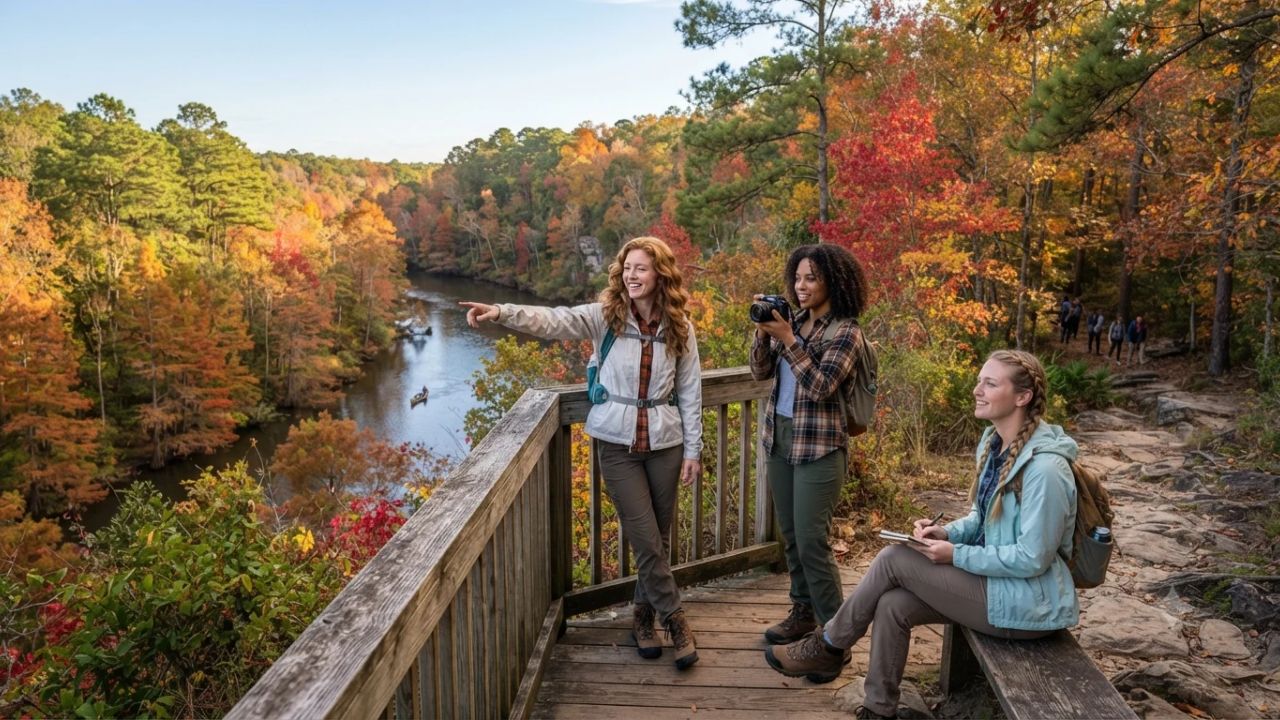
Across a protected conservation network spanning 175 state parks, Florida is experiencing an autumn tourism shift that directly counters its multi-billion-dollar reputation as an exclusively tropical, beach-centric playground. While millions of travelers flock to coastal resorts and central theme parks throughout summer and winter, the arrival of late October and November triggers a subtle deciduous transformation across northern and central river basins. Hardwood forests, limestone bluffs, and wetland bayous illuminate in vivid amber, scarlet, and ochre, revealing a regional microclimate that shares far more ecological kinship with the southern Appalachian foothills than coastal subtropical zones. Led by conservation efforts documented by Florida State Parks, this emerging travel pattern is channeling nature lovers, paddlers, and road-trippers away from crowded coastal corridors and directly into the rural interior of the Florida Panhandle.
Subverting the Palm Tree Monoculture: The Microclimates of the Northern Panhandle
The popular perception of Florida as a uniform expanse of sandy shores and palm groves obscures a complex ecological reality. Along the state’s northern tier, particularly across the Florida Panhandle and the Suwannee River watershed, cooler continental weather patterns merge with unique geological formations to sustain extensive hardwood and bottomland forests. As daytime temperatures drop from summer highs into comfortable autumn afternoons, native deciduous canopies undergo seasonal photosynthesis shutdowns, producing vibrant displays of red maple, sweetgum, hickory, sourwood, and tupelo.
Unlike traditional New England mountain vistas, Florida’s autumn foliage offers an intimate, water-level encounter. Deep river cuts and alluvial floodplains host dense stands of bald cypress trees whose feathery needles turn deep copper, bronze, and cinnamon before dropping. Winding paddle trails and clear limestone springs allow kayakers and canoeists to view autumn colors reflected in dark, tannin-stained waters.
Promotional campaigns coordinated by VISIT FLORIDA increasingly highlight this biodiversity to build resilient, year-round visitor spending. By actively marketing scenic road trips, birdwatching migrations, and cycling itineraries through northern state parks, tourism officials are capturing travelers who seek quiet, nature-focused exploration without enduring freezing northern cold fronts or highway gridlock in the Blue Ridge Mountains.
Topographical Anomalies and Deciduous Canopies: Key State Park Corridors
The geographic heart of Florida’s autumn display is concentrated west and east of the state capital in Tallahassee, where state-managed reserves preserve rare topographical relief. In a state largely known for flat sea-level plains, these parks feature dramatic limestone ravines and river bluffs that elevate hikers into cool forest canopies.
Located roughly one hour west of Tallahassee along the Apalachicola River, Torreya State Park stands out as one of the state's most dramatic natural preserves. Perched on high limestone bluffs towering nearly 200 feet above the river, Torreya features deeply incised ravines and microclimates that shelter rare botanical species alongside vibrant sugar maples, sourwood, sweetgum, and hickory trees. Between late October and mid-November, the park’s rugged hiking loops offer panoramic vistas across the Apalachicola floodplain, where orange and golden canopies extend across the river valley. The park serves as an outdoor hub for backcountry camping, birdwatching, and river angling.
Near the Florida-Georgia border, Three Rivers State Park sits along Lake Seminole at the confluence of the Chattahoochee and Flint rivers, offering shoreline hiking, boating, and wildlife photography. East of Tallahassee, Suwannee River State Park protects river bluffs where red maples and tupelo frame the junction of the Withlacoochee and Suwannee rivers, attracting cyclists, hikers, and paddlers enjoying lower autumn humidity.
| State Park Reserve | Geographic Location | Dominant Topographical Feature | Signature Tree Species | Primary Outdoor Pursuits | Peak Color Period |
|---|---|---|---|---|---|
| Torreya State Park | 1 hour west of Tallahassee | 200-foot limestone bluffs & deep ravines | Sugar maple, sourwood, sweetgum, hickory | Bluff hiking, primitive camping, birding | Late October to Mid-November |
| Three Rivers State Park | Florida-Georgia border | Lake Seminole freshwater shoreline | Hickory, southern pine, sweetgum | Boating, kayak fishing, photography | Late October to Early November |
| Suwannee River State Park | East of Tallahassee | River bluffs & limestone river junction | Red maple, black gum tupelo, oak | Riverside cycling, paddling, hiking | Early November to Mid-November |
| Apalachicola River Basin | Florida Panhandle | Alluvial floodplains & cypress swamps | Bald cypress, swamp black gum | Canoe trails, backcountry wilderness tours | November |
Expert Analysis: Ecotourism Dispersal, Rural Yield Management, and Counter-Seasonal Demand
The commercial significance of Florida’s autumn foliage lies in its ability to solve the acute geographic concentration of the state’s tourism economy. While coastal municipalities and urban entertainment districts routinely operate near peak lodging capacity, rural interior counties often face chronic underinvestment. By framing northern parks as legitimate autumn destinations, state tourism authorities are engineering a deliberate dispersal of consumer capital into agricultural and timberland communities that possess limited economic alternatives.
However, accommodating this nature-based influx requires careful logistical planning. Rural gateway towns surrounding Torreya and Suwannee River possess limited lodging inventory, often consisting of a handful of family-run motels, independent bed-and-breakfasts, and state park campgrounds that fill up quickly once leaf-turning forecasts are publicized. For travelers booking this route, the direct consequence is limited room availability within immediate park boundaries, requiring road-trippers to establish basecamps in Tallahassee or Mariana and commute along two-lane state highways to reach trailheads.
From a pricing perspective, this seasonal interest alters regional lodging economics. The pricing pressure this creates means independent motels and private cabin rentals in surrounding Panhandle towns can raise nightly rates by 25% to 40% during peak autumn weekends without suffering occupancy drop-offs. Simultaneously, local kayak outfitters, bait-and-tackle shops, and family diners capture high-margin tourist expenditure that cushions their operations through the slower winter period.
Additionally, habitat preservation under the guidance of the U.S. Fish and Wildlife Service highlights the fragile ecology of these river corridors. The deep ravines of Torreya harbor endangered plant and amphibian species that thrive only within damp, shaded bluffs. As hiker and paddler volumes grow, state park rangers face the dual challenge of promoting sustainable ecotourism while preventing trail erosion and habitat disturbance. Ensuring that visitor spending directly supports trail maintenance and conservation funding will determine whether Florida's northern river valleys can sustain their newfound autumn appeal.
Key Takeaways
- Across 175 state parks, Florida offers surprising autumn foliage that challenges traditional perceptions of the state as solely a tropical resort destination.
- The Florida Panhandle and Suwannee River basin experience distinct seasonal color shifts between late October and mid-November, powered by sugar maples, sweetgum, and red maples.
- Bald cypress trees along river floodplains turn deep copper and bronze, creating world-class paddling and kayak-touring environments in blackwater rivers.
- Torreya State Park features rare 200-foot limestone bluffs along the Apalachicola River, providing elevated panoramic viewpoints unusual for low-lying Florida terrain.
- Nature-based fall tourism distributes visitor spending into rural Panhandle communities, driving hotel occupancy and outfitter revenues outside traditional coastal hubs.
FAQ: Florida Autumn Foliage and Panhandle Travel 2026
When is the best time to see fall foliage in Florida?
Peak autumn foliage in Florida occurs from late October through mid-November, particularly across northern state parks and river valleys where lower temperatures trigger leaf color changes in maples, sweetgums, and bald cypress.
Where can travelers see the most dramatic autumn views in Florida?
Torreya State Park, located one hour west of Tallahassee, provides the state's most dramatic views, featuring high limestone bluffs and deep ravines that overlook the Apalachicola River forest canopy.
How does viewing fall foliage in Florida differ from New England?
Instead of mountainous drives, Florida foliage is best viewed from waterways and shaded bluffs, combining hiking with kayaking and canoeing beneath copper bald cypress and golden hardwood river canopies in mild autumn weather.
Can visitors combine fall foliage viewing with coastal activities in Florida?
Yes. The Florida Panhandle allows travelers to hike elevated river bluffs and paddle through autumn forests in the morning, then drive south to uncrowded Gulf Coast beaches and seafood ports in the afternoon.
By trading coastal high-rises for the copper canopies of the Apalachicola, travelers discover that Florida's most compelling autumn color is not neon or sand, but the quiet gold of a Southern deciduous forest.
Related Travel Guides
Disclaimer
This article is for informational and educational purposes only. It does not constitute legal, financial, or professional advice. While we strive to provide accurate and up-to-date information, travel policies, regulations, and conditions change rapidly. Always verify information with official sources before making travel decisions. Nomad Lawyer makes no representations about the accuracy, reliability, completeness, or suitability of the information provided. Readers should consult qualified professionals for advice specific to their circumstances. The views expressed in this article are those of the author and do not necessarily reflect the views of Nomad Lawyer.
Raushan Kumar
Founder & Lead Developer
Full-stack developer with 11+ years of experience and a passionate traveller. Raushan built Nomad Lawyer from the ground up with a vision to create the best travel and law experience on the web.
Learn more about our team →