
Flight Disruptions Strand Hundreds at Portland International Airport in April 2026
Flight disruptions strand hundreds of travelers at Portland International Airport on Saturday as 62 delays and three cancellations ripple across major carriers. 2026 travel alert for West Coast routes.

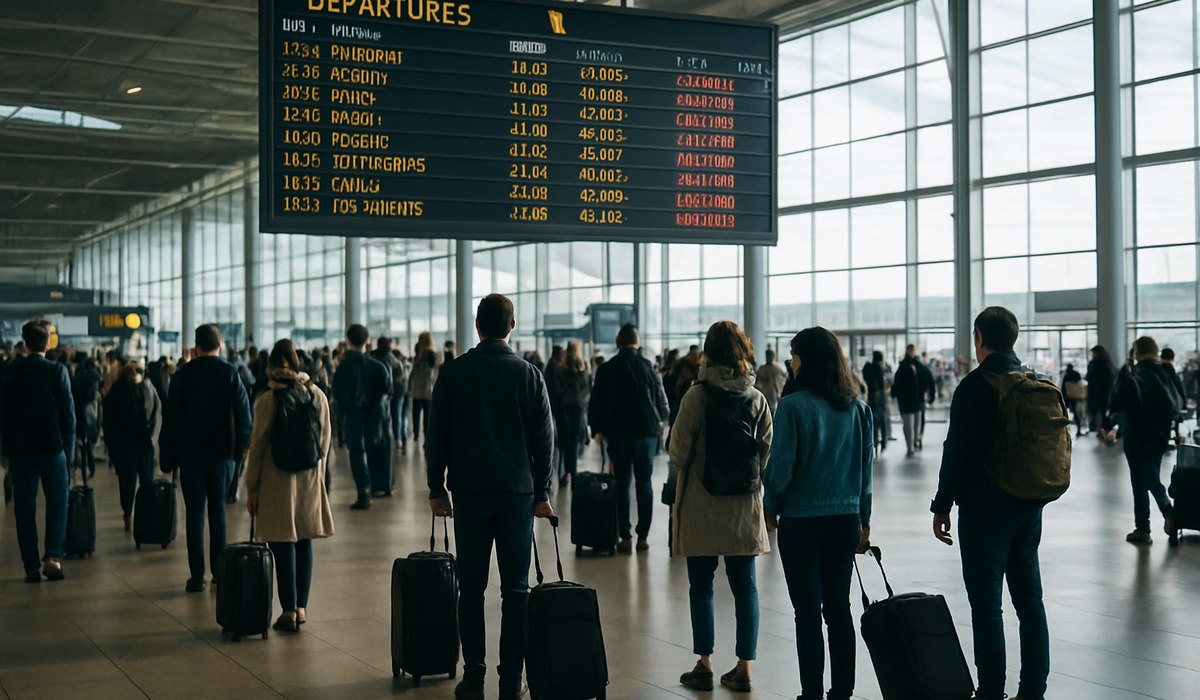
Image generated by AI
Hundreds of Travelers Stranded as Portland International Airport Experiences Massive Flight Disruptions
Portland International Airport descended into travel chaos on Saturday, April 18, 2026, when flight disruptions strand operations grounded by 62 flight delays and three outright cancellations. The cascading disruptions affected hundreds of passengers across United Airlines, Delta Air Lines, Alaska Airlines, and regional carriers, with ripple effects extending far beyond Oregon. Travelers on West Coast corridors to Seattle, San Francisco, and Los Angeles bore the brunt of the disruptions, while international passengers faced missed connections and hastily rebooked itineraries across the United States and beyond.
Wave of Delays Ripples Through PDX Operations
Saturday's operational crisis at Portland International revealed the airport's vulnerability to clustered scheduling failures. Flight tracking data from FlightAware and real-time airport status boards documented the unprecedented volume of disruptions beginning mid-morning and cascading through evening operations.
The delays split across early morning and afternoon departures, creating a compounding backlog that affected both inbound and outbound traffic flows. Passengers connecting through Portland to nationwide destinations faced missed onward flights, forcing airlines into emergency rebooking procedures that stretched customer service resources to capacity.
Industry observers attribute the Saturday disruptions partly to ongoing terminal modernization under Portland's multi-year PDX Next expansion program. As renovation work continues, the airport processes growing passenger volumes while managing constrained gate availability and modified ground operations. This combination leaves Portland International uniquely exposed when multiple airlines encounter simultaneous scheduling problems. According to recent FAA operational reports, North American air travel faces broader volatility driven by staffing constraints, aircraft availability limitations, and seasonal weather pressures—conditions that compound rapidly at secondary hubs.
Multi-Carrier Impact on Major Domestic and International Routes
United Airlines, Delta Air Lines, and Alaska Airlines dominated the disruption data, with each carrier operating multiple delayed departures to primary West Coast hubs. United's reliance on Portland as a West Coast feeder network meant its delays multiplied across downstream connections in Denver and Chicago. Delta's portfolio of coastal and Midwest routes experienced cascading schedule compression as aircraft arrived progressively later throughout the afternoon.
Alaska Airlines, which maintains substantial Portland operations as a Pacific Northwest spoke, saw its domestic and limited international services pushed back by four to eight hours on average. When three major carriers experience simultaneous delays, aircraft scheduled for later flights elsewhere arrive late, forcing crew duty time recalculations and turnaround schedule compressions that often necessitate preemptive cancellations to stabilize evening operations.
Recent federal reporting indicates carriers have reduced overall cancellation rates compared to previous disruption periods, yet delays remain endemic at airports managing significant construction. Portland's gate and terminal reconfigurations particularly strain schedule absorption capacity, as traffic flows adjust to new facility layouts. Airlines have been actively resheduling connections, adding seasonal routes, and responding to competitive pressures on West Coast corridors—a dynamic environment where modest operational hiccups translate into visible passenger queues and extended wait times at customer service desks.
Terminal Expansion and Growing Passenger Volumes Create Vulnerability
Portland International's PDX Next modernization program aims to increase capacity and passenger experience standards, yet the ongoing construction creates inherent operational fragility. The airport now processes higher daily volumes while operating with reduced gate flexibility and modified ground handling procedures necessitated by active renovation zones.
This expansion paradox means Portland experiences fewer available contingency slots for reactive scheduling adjustments. When departures to nearby feeder hubs like Seattle and San Francisco fall behind schedule, the downstream effects multiply exponentially. Passengers missing connections onto transcontinental and international flights amplify the disruption count beyond the original 62 delays. Published disruption analyses show mid-sized airports in expansion phases face particularly acute vulnerability, as even modest schedule perturbations create significant knock-on effects across regional networks.
Aircraft held at Portland arrive late into downstream hubs, where they're scheduled for onward flights, stretching crew duty times and compressing turnaround windows. Operational considerations frequently require preemptive cancellations to stabilize remaining daily operations. Portland's unique role linking Pacific Northwest communities with major hubs adds operational complexity that compounds scheduling challenges during disruption periods.
Broader North American Air Travel Volatility
Saturday's disruptions at Portland International reflect systemic pressures affecting North American aviation beyond the Pacific Northwest. Staffing shortages across ground operations, flight crew, and customer service continue straining operational capacity at major hubs and secondary airports alike.
Aircraft availability constraints have intensified as carriers manage fleet utilization during seasonal demand fluctuations. Weather pattern shifts across North America create unpredictable operational pressures that ripple quickly through tightly scheduled networks. Industry analyses published throughout 2026 document how carriers and airports remain in recovery mode, adapting to capacity constraints and labor market realities that limit their scheduling flexibility.
These systemic pressures cascade rapidly when specific airports like Portland experience clustered delays. A single afternoon of operational disruption at a regional hub can trigger cancellations and rescheduling across transcontinental and international services, affecting thousands of passengers miles from the original disruption point.
| Metric | Details |
|---|---|
| Total Flight Delays | 62 disrupted departures and arrivals |
| Total Cancellations | 3 outright cancellations across multiple carriers |
| Primary Affected Carriers | United Airlines, Delta Air Lines, Alaska Airlines |
| Major Impacted Routes | Portland-Seattle, Portland-San Francisco, Portland-Los Angeles |
| Estimated Passengers Affected | Hundreds directly; thousands via cascading connections |
| Operational Factor | Terminal expansion and capacity constraints during PDX Next modernization |
| Duration | Disruptions from mid-morning through evening operations |
| Severity Classification | Significant operational event affecting regional network |
What This Means for Travelers
Saturday's Portland International disruptions underscore essential travel preparation and response strategies for West Coast passengers:
-
Monitor Real-Time Flight Status: Check FlightAware and airline apps at least 24 hours before travel; refresh status every 30 minutes on travel day.
-
Know Your Passenger Rights: Review U.S. Department of Transportation compensation requirements; airlines must rebook you at no cost or provide meal vouchers for delays exceeding 3 hours.
-
Book Connecting Flights with Time Cushions: Avoid minimum-connection itineraries at Portland; allow 2+ hours between domestic connections, 3+ hours for international transfers.
-
Contact Airlines Proactively: Call your carrier immediately upon learning of delays; rebooking on alternative flights happens faster for proactive passengers than those waiting in customer service lines.
-
Understand Cancellation Policies: Carry travel insurance covering trip disruptions; review airline policies for compensation beyond DOT minimums before flying.
-
Have Backup Communication Plans: Ensure phone numbers and email addresses are current with your airline; service disruptions often mean websites become overwhelmed.
-
Document Everything: Photograph boarding passes, delays, and communication confirmations to substantiate compensation claims submitted to airlines or DOT within specific timeframes.
Frequently Asked Questions
What caused the flight disruptions strand at Portland International on April 18, 2026?
The disruptions resulted from operational challenges including ongoing terminal expansion under the PDX Next program, growing passenger volumes straining gate capacity, and simultaneous scheduling conflicts across major carriers. Systemic North American aviation pressures—staffing constraints and aircraft availability limitations—compounded Portland's local vulnerabilities.
Which airlines were most affected by the Portland flight disruptions?
United Airlines, Delta Air Lines, and Alaska Airlines experienced the most visible delays and schedule disruptions, given their substantial Portland operations and reliance on the airport as a network hub or spoke. Regional carriers also encountered casc
Disclaimer
This article is for informational and educational purposes only. It does not constitute legal, financial, or professional advice. While we strive to provide accurate and up-to-date information, travel policies, regulations, and conditions change rapidly. Always verify information with official sources before making travel decisions. Nomad Lawyer makes no representations about the accuracy, reliability, completeness, or suitability of the information provided. Readers should consult qualified professionals for advice specific to their circumstances. The views expressed in this article are those of the author and do not necessarily reflect the views of Nomad Lawyer.
Raushan Kumar
Founder & Lead Developer
Full-stack developer with 11+ years of experience and a passionate traveller. Raushan built Nomad Lawyer from the ground up with a vision to create the best travel and law experience on the web.
Learn more about our team →