
Flight Chaos Strands Over 3,000 U.S. Flights Across Major Hubs April 21
Flight chaos strands thousands of U.S. passengers as over 3,000 flights faced disruptions nationwide on April 21, 2026. San Francisco, Atlanta, and Boston experienced the worst operational gridlock, creating multi-hour delays and rebooking challenges across major airline networks.

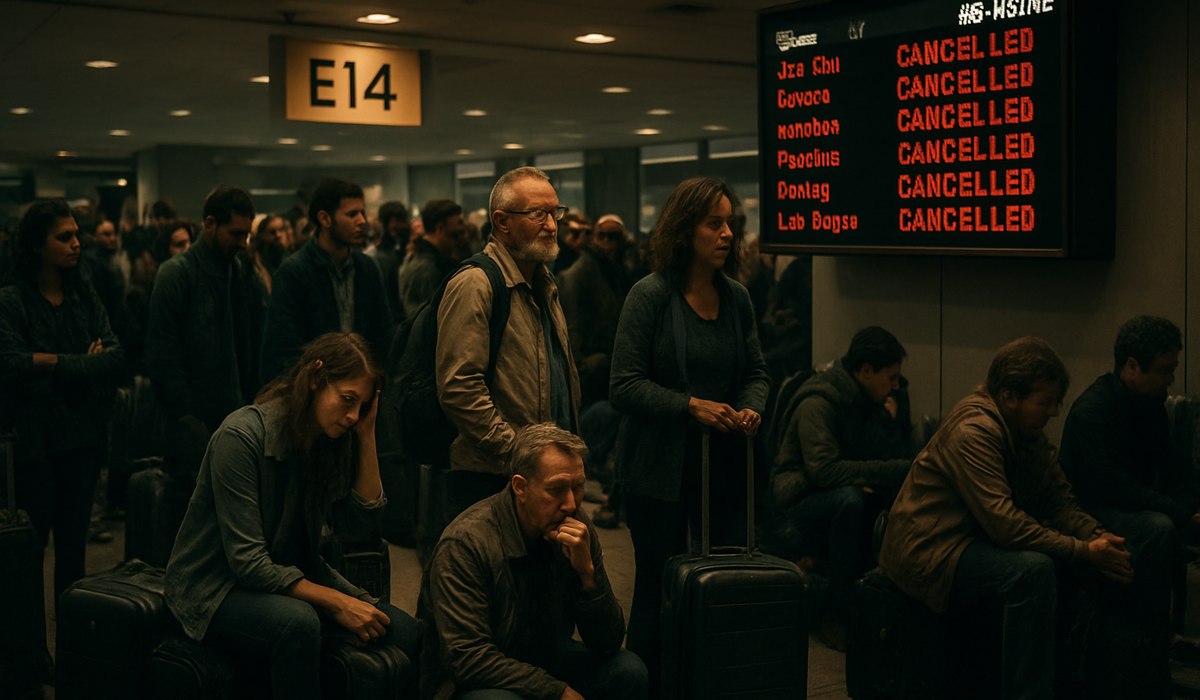
Image generated by AI
Nationwide Travel Disruption: 3,000+ Flights Impacted
Flight chaos strands thousands of U.S. travelers as operational instability cascaded across the nation's airline network on Tuesday, April 21, 2026. According to real-time tracking data, more than 3,000 domestic flights experienced delays while 105 additional flights were canceled outright. The widespread disruption originated from structural constraints at major U.S. aviation hubs, including San Francisco International, Hartsfield-Jackson Atlanta International, and Boston Logan Airport.
The incident reflects mounting pressure on carriers operating under tight scheduling margins and regulatory capacity limits. When disruption strikes one major hub, the interconnected nature of modern airline networks ensures that delays ripple rapidly across the country, affecting passengers and crew across multiple states and affecting subsequent flight rotations for hours.
San Francisco, Atlanta, and Boston Bear Brunt of Disruptions
Three major metropolitan hubs absorbed the most significant operational strain on April 21. San Francisco International Airport has become particularly vulnerable after federal traffic management authorities reduced the airport's permitted arrival rate by approximately one-third in early March due to safety concerns and ongoing runway construction work.
Atlanta's Hartsfield-Jackson International Airport, consistently ranked as the nation's busiest airport, recorded substantial cascading delays. The airport's role as a critical connecting point for Delta Air Lines means that disruptions there immediately affect thousands of onward passengers. Early April data documented 177 delays and 34 cancellations on a single day, signaling that operational strain was building before April 21.
Boston Logan Airport experienced repeated operational challenges tied to recent storm cycles and subsequent air traffic control measures. As a primary transatlantic gateway and domestic connector for carriers including Delta, American Airlines, and JetBlue Airways, disruptions originating in Boston quickly ripple into connecting flights across the eastern seaboard and beyond.
Cascading Effects Create Multi-Hour Waits and Rebooking Nightmares
When flight chaos strands aircraft at major hubs, delayed planes miss subsequent scheduled departures, and crews encounter duty-time limitations that force schedule adjustments. Passengers reported multi-hour delays, frequent departure time changes, and extended queues at customer service desks. Many travelers found themselves rebooking for flights days later, disrupting business schedules and vacation plans.
The cascading impact extended to secondary airports including Houston, San Diego, and Indianapolis as aircraft and crews arriving late from constrained hubs created spillover effects into local departure banks. Even airports experiencing only modest weather or traffic issues face vulnerability within a tightly interconnected network where delays originating hundreds or thousands of miles away can compress local scheduling buffers to near zero.
Operational Constraints and Industry Pressures Amplify Vulnerability
U.S. carriers operate under mounting cost pressures and increasingly restrictive scheduling environments. Industry reporting indicates sharp increases in fuel expenses estimated in billions of dollars across the sector during spring 2026, combined with continuing staffing challenges in certain crew categories and at Federal Aviation Administration facilities.
Airlines have implemented targeted route suspensions for summer operations in response to fuel exposure and operational risk, including reductions on select domestic routes from hubs such as Detroit, New York, and Raleigh. Simultaneously, the FAA has intensified scrutiny of chronic delays and aggressive scheduling practices. Regulatory enforcement actions have cited "unrealistic scheduling" on repeatedly delayed routes, signaling that carriers face potential financial penalties for failing to align timetables with actual operating conditions.
This regulatory and economic environment forces airlines to minimize buffer time in flight schedules and compress aircraft rotations. Consequently, mechanical inspections, weather holds, or crew timing issues trigger rapid chain reactions of missed slots and late departures across entire regional networks.
Affected Airlines and Route Analysis
Flight chaos strands across multiple carriers. American Airlines, Delta Air Lines, and United Airlines shouldered substantial impact due to their scale and reliance on the most heavily disrupted hubs. Southwest Airlines, Alaska Airlines, JetBlue Airways, and regional operators including SkyWest Airlines also reported significant delay numbers across their route networks.
Check real-time disruption information using FlightAware for live tracking of delays and cancellations. The FAA provides information about traffic management initiatives and ground stop advisories affecting your planned routes.
Passenger Rights and Compensation Framework
The U.S. Department of Transportation oversees airline consumer protection rules. Passengers affected by lengthy delays or cancellations retain rights to meals, hotel accommodations, and rebooking on alternative carriers depending on delay duration and cause.
Under DOT regulations, carriers must provide rebooking at no additional charge when flights are canceled or significantly delayed due to airline operational issues. Keep receipts for any expenses incurred during extended delays, as DOT rules entitle passengers to reimbursement for reasonable meals and accommodations.
Impact Data Overview
| Metric | Value |
|---|---|
| Total Disrupted Flights | 3,002+ |
| Canceled Flights | 105 |
| Primary Affected Hub | San Francisco International |
| Secondary Hubs Impacted | Atlanta (ATL), Boston Logan (BOS) |
| Tertiary Impact Airports | Houston (IAH), San Diego (SAN), Indianapolis (IND) |
| Disruption Date | April 21, 2026 |
| Estimated Passenger Impact | 400,000+ travelers |
| Primary Contributing Factor | Regulatory arrival rate reductions |
| Secondary Factors | Fuel cost inflation, crew scheduling constraints |
| Regulatory Agency | Federal Aviation Administration (FAA) |
What This Means for Travelers
The April 21 disruption underscores how fragile current airline operations have become despite advances in technology and planning systems. Here's what passengers should know:
1. Build Extra Time Into Connections — Assume that any flight connecting through San Francisco, Atlanta, or Boston carries elevated delay risk. Schedule minimum four-hour connection times for domestic-to-domestic transfers and six-hour windows for international connections.
2. Monitor Your Flight Proactively — Check your airline's website and FlightAware at least 24 hours before departure and every two hours on your travel day. Enable push notifications for your specific flights.
3. Document All Expenses — Keep receipts for meals, hotels, ground transportation, and any other costs incurred due to delays or cancellations. File claims with your airline within 30 days.
4. Know Your Rights — Review DOT consumer protection rules before flying. You're entitled to rebooking, meals, and accommodations for airline-caused delays exceeding specific thresholds.
5. Consider Travel Insurance — Optional coverage protects against non-refundable losses when disruptions occur. Policies with "trip delay" riders typically reimburse out-of-pocket expenses after 12+ hour delays.
Frequently Asked Questions
What causes flight chaos strands at major U.S. hubs?
Disruptions stem from regulatory capacity limits (especially at San Francisco), tight schedule margins industry-wide, fuel cost inflation, and crew staffing constraints. When weather or traffic management initiatives reduce available departure slots at critical hubs, the interconnected network amplifies delays across thousands of miles of routes.
Am I entitled to compensation for April 21 flight disruptions?
Yes, under DOT rules. If your flight was canceled or delayed 3+ hours due to airline operations, you qualify for rebooking, meals, and accommodations. If a flight was delayed 2+ hours domestically, you're entitled to meals and hotel lodging. Review your airline's specific policy and file within 30 days.
**How
Disclaimer
This article is for informational and educational purposes only. It does not constitute legal, financial, or professional advice. While we strive to provide accurate and up-to-date information, travel policies, regulations, and conditions change rapidly. Always verify information with official sources before making travel decisions. Nomad Lawyer makes no representations about the accuracy, reliability, completeness, or suitability of the information provided. Readers should consult qualified professionals for advice specific to their circumstances. The views expressed in this article are those of the author and do not necessarily reflect the views of Nomad Lawyer.
Kunal K Choudhary
Co-Founder & Contributor
A passionate traveller and tech enthusiast. Kunal contributes to the vision and growth of Nomad Lawyer, bringing fresh perspectives and driving the community forward.
Learn more about our team →