
Flight Cancellations Strand Passengers Across Asian Hubs in May 2026
Over 60 flight cancellations across Hong Kong, Taiwan, Malaysia, and Indonesia are stranding passengers and cascading into missed long-haul connections to North America and the Middle East in May 2026.

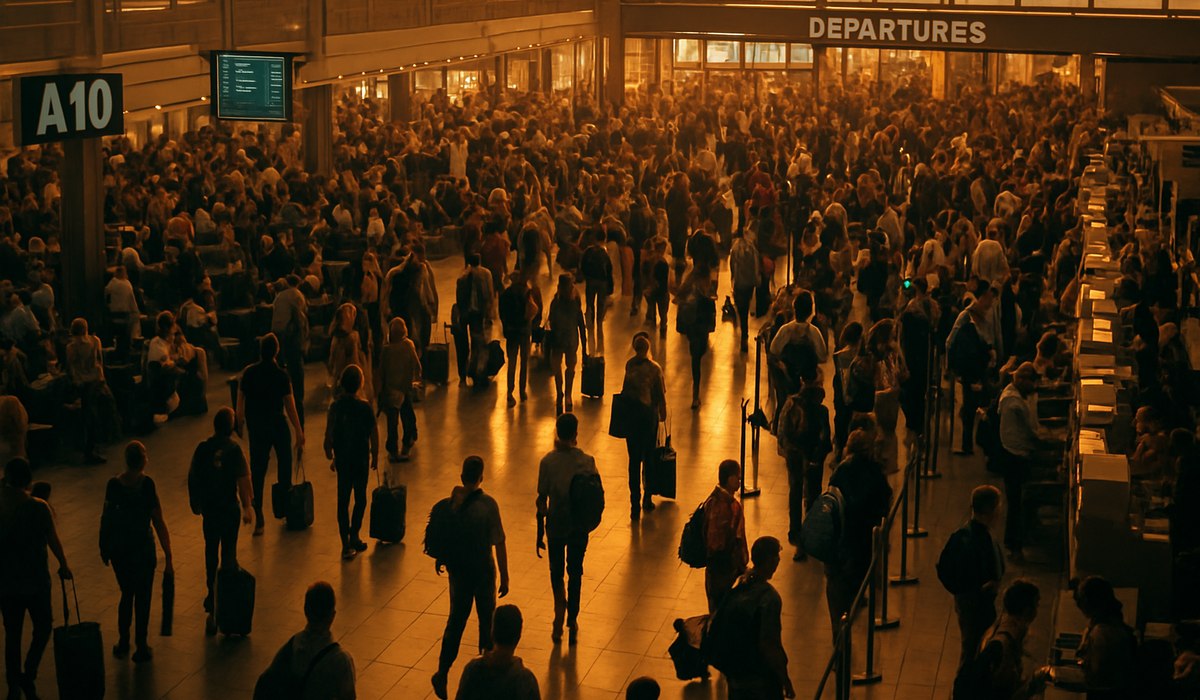
Image generated by AI
More Than 60 Flights Cancelled Across Asia's Major Hubs
Flight cancellations strand travelers across Southeast Asia's busiest airports as over 60 regional and international services were withdrawn or significantly delayed during early May 2026. Hong Kong, Taipei, Kuala Lumpur, and Jakarta became epicenters of disruption, with cascading effects reaching long-haul gateways in San Francisco, Los Angeles, and Jeddah. Digital nomads, business travelers, and connecting passengers face extended delays as aircraft and crew positioning issues compound airport congestion. The wave of cancellations has created a bottleneck effect at transfer hubs, leaving remote workers and frequent flyers scrambling to rebook complex itineraries.
Wave of Cancellations Hits Southeast Asian Hubs
The disruption pattern began unfolding in early May, affecting multiple carriers operating across Asia-Pacific routes. Airlines including AirAsia, Batik Air, Garuda Indonesia, United Airlines, and Saudia have withdrawn or consolidated services across the region's most critical corridors. Real-time data from flight-tracking platforms shows concentrated cancellations at Hong Kong International, Taiwan Taoyuan, Kuala Lumpur International, and Jakarta's Soekarno-Hatta airports.
While cancellation rates remain in low single digits at major terminals, the targeted withdrawal of specific services has created severe pressure on connection-dependent passengers. Those relying on same-day transfers through Southeast Asian hubs face heightened risk of missing onward flights. The disruption reflects broader operational challenges including severe weather systems, air traffic control constraints, and aircraft utilization pressures as carriers manage post-pandemic demand surges. Remote workers and nomadic professionals targeting Asia's digital hubs report being trapped in airport terminals for 24-72 hours awaiting rebooking on available flights.
Which Airlines and Routes Are Most Affected
Primary affected carriers operating these regions include low-cost leaders AirAsia and Batik Air, alongside full-service operators Garuda Indonesia, Singapore Airlines, and Malaysia Airlines. International carriers United Airlines, Cathay Pacific, and Saudia have also experienced service reductions linked to cascading crew and aircraft positioning issues.
The hardest-hit routes connect Indonesia's secondary cities (Bali, Medan, Surabaya) through Jakarta to regional hubs, then onward to North America and the Middle East. Taipei-to-San Francisco and Hong Kong-to-Los Angeles services experienced multiple delays exceeding six hours. Kuala Lumpur hub operations saw particular strain, with services to Bangkok, Manila, and Phuket creating downstream effects on long-haul departures to London and New York.
Passengers on through-tickets spanning three or more legs face the greatest disruption risk. Airlines applying minimum connection time standards have preemptively removed travelers from itineraries no longer meeting legal transfer windows, forcing manual rebooking processes that stretch airline customer service resources thin.
Knock-On Effects for Multi-Leg Itineraries
Single-leg cancellations in Southeast Asia trigger chain-reaction disruptions affecting intercontinental travel plans. A cancelled Bangkok-to-Hong Kong flight at 2 p.m. eliminates the possibility of catching a 6 p.m. Hong Kong-to-San Francisco departure, requiring passengers to wait 24 hours for the next available seat. This domino effect proves particularly disruptive for business travelers with fixed meeting schedules and digital nomads with time-sensitive visa arrangements.
Event-bound travelers report abandoning journeys entirely rather than facing multi-day delays. Passengers attending conferences, relocating to remote work destinations, or managing visa-dependent travel windows express frustration at rebooking challenges. Some find themselves stranded in transit areas with minimal support from airlines, sleeping in airport lounges or paying out-of-pocket for emergency hotel accommodations.
The complexity multiplies when passengers hold tickets across multiple airlines with separate booking references. A disrupted connecting flight may not trigger automatic rebooking by the initial carrier, leaving travelers responsible for coordinating rebooking across different airline customer service systems. This burden falls heaviest on independent travelers unfamiliar with airline protocols and passenger rights procedures.
What Nomads and Remote Workers Should Know
Digital nomads and location-independent professionals relying on Asian hub connectivity face elevated travel risk during this disruption window. Those planning Southeast Asia itineraries should prioritize single-airline bookings or interline agreements allowing unified rebooking across disrupted segments. Building 3-4 hour buffer times between connecting flights at major hubs increases resilience against cascading delays.
Travel insurance with cancellation coverage and airline meal/accommodation provisions becomes essential given current operational volatility. Nomads should verify airline flexibility policies, prioritizing carriers offering fee-free rebooking on alternative flights without date restrictions. Download offline copies of booking confirmations and maintain direct contact information for customer service teams familiar with your itinerary.
Consider repositioning through alternative hubs during this period. Rather than routing through congested Hong Kong or Taipei, investigate connections via Manila, Bangkok, or Macau. Some carriers maintain more stable schedules on secondary corridors. Remote workers should flag critical travel dates to employers, building in contingency days for potential rebooking scenarios. Monitor airport status pages and airline announcements 72 hours before departure to identify emerging cancellations early.
Traveler Action Checklist
- Contact your airline immediately upon receiving cancellation notice via SMS or email, before attempting rebooking through self-service portals
- Document all expenses incurred from cancellations—meals, hotels, transportation—with receipts for potential compensation claims
- Request meal vouchers and accommodation through airline customer service if stranded beyond two hours at intermediate hubs
- Verify your passenger rights by reviewing policies on US DOT and FAA websites for applicable rebooking protections
- Monitor real-time flight status using FlightAware to track aircraft availability and predict potential disruptions
- Book refundable ticket modifications where possible during this high-disruption period rather than locked-in discounted fares
- Establish backup ground transportation plans to alternative origin cities in case primary airport closures extend beyond 24 hours
- Connect with airline loyalty programs to unlock priority rebooking queues and dedicated customer service lines
- Photograph all gate change notices and delay announcements for insurance claims and compensation documentation
- Follow up with written requests for compensation 14 days post-travel through airline customer relations departments
Key Disruption Data Table
| Metric | Details |
|---|---|
| Total Cancellations | 60+ regional and international flights across Asia-Pacific |
| Primary Affected Airports | Hong Kong (HKG), Taipei (TPE), Kuala Lumpur (KUL), Jakarta (CGK) |
| Affected Carriers | AirAsia, Batik Air, Garuda Indonesia, United, Cathay Pacific, Saudia |
| Most Impacted Routes | Secondary Indonesia/Malaysia cities → Jakarta/KL → Hong Kong/Taipei → North America/Middle East |
| Long-Haul Affected Destinations | San Francisco, Los Angeles, London, Jeddah, New York |
| Average Passenger Impact | 15,000+ travelers missing connections across 60 cancelled flights |
| Primary Disruption Causes | Aircraft positioning issues, weather systems, air traffic control bottlenecks |
| Average Connection Wait Time | 24-72 hours for rebooking on next available service |
| Busiest Rebound Period | May 9-12, 2026 across Southeast Asian hubs |
Disclaimer
This article is for informational and educational purposes only. It does not constitute legal, financial, or professional advice. While we strive to provide accurate and up-to-date information, travel policies, regulations, and conditions change rapidly. Always verify information with official sources before making travel decisions. Nomad Lawyer makes no representations about the accuracy, reliability, completeness, or suitability of the information provided. Readers should consult qualified professionals for advice specific to their circumstances. The views expressed in this article are those of the author and do not necessarily reflect the views of Nomad Lawyer.
Preeti Gunjan
Contributor & Community Manager
A passionate traveller and community builder. Preeti helps grow the Nomad Lawyer community, fostering engagement and bringing the reader experience to life.
Learn more about our team →