
Flight cancellations strand 60+ passengers across Asian aviation hubs in May 2026
Over 60 flight cancellations across Asian hubs strand passengers and disrupt connections to San Francisco, Jeddah and Southeast Asian gateways. May 2026 disruptions cascade through Hong Kong, Taiwan, Malaysia and Indonesia.

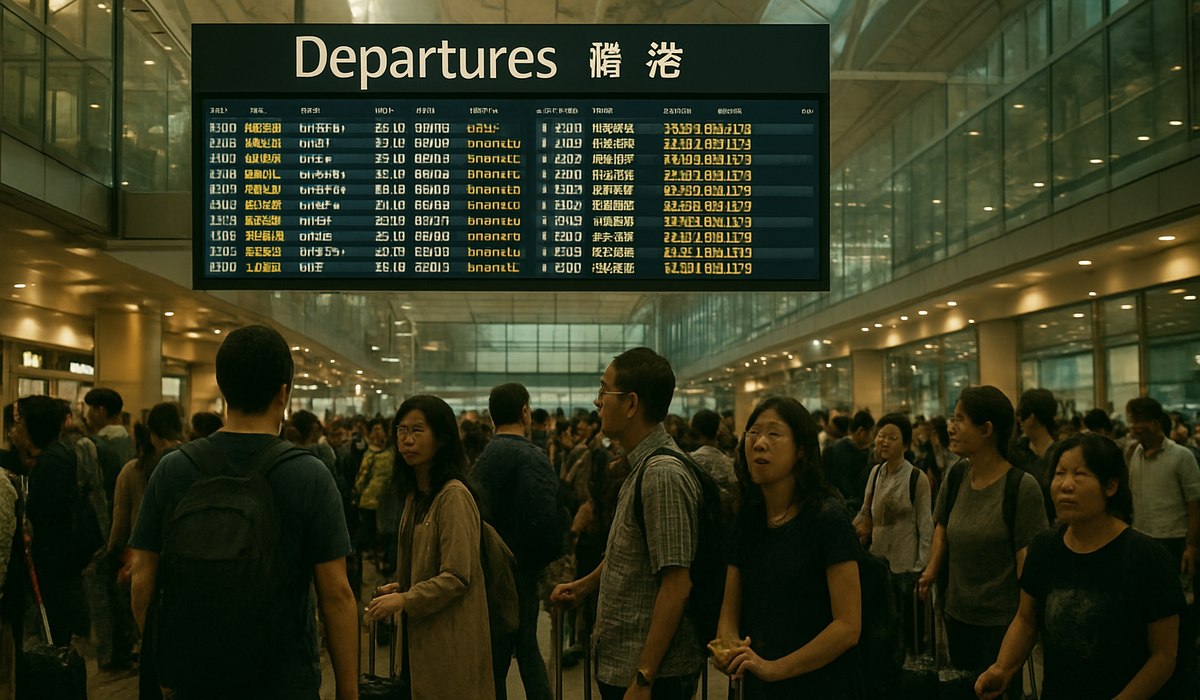
Image generated by AI
More Than 60 Flights Cancelled Across Asian Hubs Leave Travelers Stranded
Over 60 flight cancellations rippled through major Asian aviation hubs during early May 2026, stranding thousands of passengers at Hong Kong, Taipei, Kuala Lumpur, and Jakarta airports. The cascading disruptions affected regional carriers and international airlines alike, with knock-on effects reaching long-haul gateways serving San Francisco, Jeddah, and secondary Southeast Asian cities. Travelers holding multi-leg itineraries faced particular hardship, as single-sector cancellations triggered missed connections and extended unplanned stays in transit areas across the region.
The disruption wave highlighted vulnerabilities in Asia's interconnected aviation network, where tight connection windows and congested transfer points amplify the impact of localized operational challenges.
Wave of Cancellations Hits Key Asian Gateways
Flight-tracking data and regional airline advisories confirmed significant operational strain across six primary hub airports in early May 2026. Major carriers including Batik Air, AirAsia, Garuda Indonesia, United Airlines, and Saudia implemented emergency schedule cuts and frequency consolidations. The cancellations were not uniformly distributed; instead, targeted withdrawal of specific services created bottlenecks at crucial transfer points.
Hong Kong International Airport and Taiwan Taoyuan International Airport emerged as focal points, with departures to Jakarta, Bali, and Kuala Lumpur particularly affected. Simultaneously, onward connections from these hubs to North American and Middle Eastern destinations experienced secondary delays. Aviation analysts attributed the instability to a combination of severe weather systems moving through Southeast Asia, air traffic control capacity constraints, and aircraft positioning challenges as carriers balanced growing travel demand against finite fleet resources.
According to FlightAware, real-time tracking showed delays averaging 90 minutes for affected departures, with some flights cancelled outright rather than rescheduled. The targeting of specific services rather than wholesale airport closures meant many passengers discovered cancellations only hours before scheduled departures.
Cascade Effect on Multi-Stop Itineraries Disrupts Long-Haul Travel
Passengers holding complex routing through Asian hubs faced disproportionate disruption during the May 2026 cancellation wave. Travelers booking secondary Indonesian or Malaysian cities, with onward connections through Jakarta or Kuala Lumpur to Hong Kong, Taipei, or Singapore, and final legs to North America or the Middle East discovered that a single cancelled short-haul segment could unravel their entire itinerary.
Airlines enforce strict minimum connection times at each hub. When a regional flight was cancelled, passengers booked on tight connections frequently found themselves involuntarily rebooked on departures days later, as immediate alternatives lacked sufficient layover windows to meet airline policy or visa requirements. Some travelers abandoned journeys entirely rather than accept week-long delays, surrendering thousands in advance payments.
The disruption also highlighted a critical vulnerability: when departure times shift by even 30 minutes, legal connection windows can vanish. Airlines proactively removed passengers from itineraries failing minimum transfer standards, creating confusion and frustration for travelers who believed their bookings were protected. Multi-leg tickets offered limited recourse, as passengers could not pursue compensation claims without understanding which carrier bore responsibility for the initial cancellation.
Airlines and Routes Most Affected by May 2026 Disruptions
Regional and full-service carriers experienced varied operational stress during the cancellation event. Batik Air, AirAsia, and Garuda Indonesia implemented ad hoc frequency reductions on trunk routes serving Jakarta, Kuala Lumpur, and Denpasar, affecting both leisure and business travelers. United Airlines and Saudia, operating long-haul services from these hubs, experienced secondary schedule disruptions as aircraft failed to arrive for onward departures.
Routes linking Malaysia and Indonesia to Singapore, Macau, and Hong Kong experienced the highest concentration of same-day cancellations. Services from Taipei to Bangkok, Manila, and Ho Chi Minh City were similarly affected. Conversely, direct long-haul departures from Hong Kong to San Francisco and from Jeddah connections through Southeast Asian gateways recorded elevated delay rates but fewer outright cancellations.
The pattern suggested that carriers prioritized maintaining long-haul connections over regional frequencies, protecting revenue-intensive international sectors at the expense of connecting passengers. This operational strategy, while economically rational for airlines, shifted the full burden of disruption onto travelers dependent on seamless multi-leg routing.
What Passengers Should Know About Flight Cancellations and Rights
Travelers affected by the May 2026 Asian hub disruptions possessed legal protections varying by jurisdiction and ticket type. Under US Department of Transportation regulations, passengers holding tickets issued on US carriers or from US origin airports retained the right to rebooking on alternative flights or full refunds. However, enforcement remained challenging when disruptions originated in Asian airspace or involved carriers not subject to US oversight.
European Union regulations offered stronger protections for affected passengers, mandating compensation up to €600 and rebooking at airline expense. Asian carriers operating under local licensing faced fewer standardized compensation requirements, though some countries—including Japan and Singapore—implemented passenger protection frameworks.
The critical distinction lay between cancellation and delay. A flight arriving more than three hours late at the final destination generated compensation obligations; a cancelled flight substituted with an alternative departure within 24 hours typically did not. Airlines leveraged this regulatory gap strategically, sometimes cancelling flights rather than accepting delay penalties.
Passengers holding non-refundable tickets faced additional complications. While rebooking onto alternative flights was mandatory for cancelled services, routing changes, date shifts, or extended layovers did not automatically trigger refunds. Only passengers whose final destination remained unreachable within reasonable timeframes could claim reimbursement.
Travel insurance policies activated for trip disruptions, though coverage caps and exclusion clauses frequently limited payouts. Comprehensive travel protection policies covering "missed connection" scenarios provided superior protection compared with basic cancellation-only coverage.
Traveler Action Checklist for Flight Cancellations
Passengers facing cancelled or heavily delayed flights across Asian hubs during May 2026 should follow these priority steps:
-
Check your airline's website immediately using FlightAware to confirm cancellation status and proposed rebooking options before calling customer service.
-
Document all communications with your airline, including flight numbers, cancellation notices, rebooking confirmations, and emails confirming compensation eligibility.
-
Request rebooking on the earliest available flight to your final destination, regardless of airline or routing, at the airline's expense for cancelled flights.
-
Claim meal, accommodation, and ground transportation expenses if your airline fails to provide rebooking within 24 hours; retain all receipts for reimbursement claims.
-
File compensation claims with your airline and regional aviation authorities using the US Department of Transportation's complaint system at transportation.gov/airconsumer if eligible.
-
Contact your credit card company and travel insurance provider to initiate secondary reimbursement requests for unrecovered expenses and prepaid services.
-
Escalate unresolved claims to your country's aviation regulator if the airline fails to respond within 60 days; maintain copies of all documentation.
-
Consider hiring a passenger rights advocate for claims exceeding $3,000, as legal representation frequently recovers additional compensation offsetting service fees.
Key Data: Asian Hub Disruptions at a Glance
| Metric | Details |
|---|---|
| Total Cancellations | 60+ flights across Asian hubs, May 1–8, 2026 |
| Primary Airports Affected | Hong Kong, Taipei, Kuala |
Disclaimer
This article is for informational and educational purposes only. It does not constitute legal, financial, or professional advice. While we strive to provide accurate and up-to-date information, travel policies, regulations, and conditions change rapidly. Always verify information with official sources before making travel decisions. Nomad Lawyer makes no representations about the accuracy, reliability, completeness, or suitability of the information provided. Readers should consult qualified professionals for advice specific to their circumstances. The views expressed in this article are those of the author and do not necessarily reflect the views of Nomad Lawyer.
Kunal K Choudhary
Co-Founder & Contributor
A passionate traveller and tech enthusiast. Kunal contributes to the vision and growth of Nomad Lawyer, bringing fresh perspectives and driving the community forward.
Learn more about our team →