
Flight Cancellations Snarl Gulf-India Routes This Weekend
Major flight cancellations snarl travel across the Middle East and South Asia as Saudia, FlyDubai, Gulf Air and Air Arabia axe 35+ flights this weekend, disrupting key Gulf-India corridors through 2026.

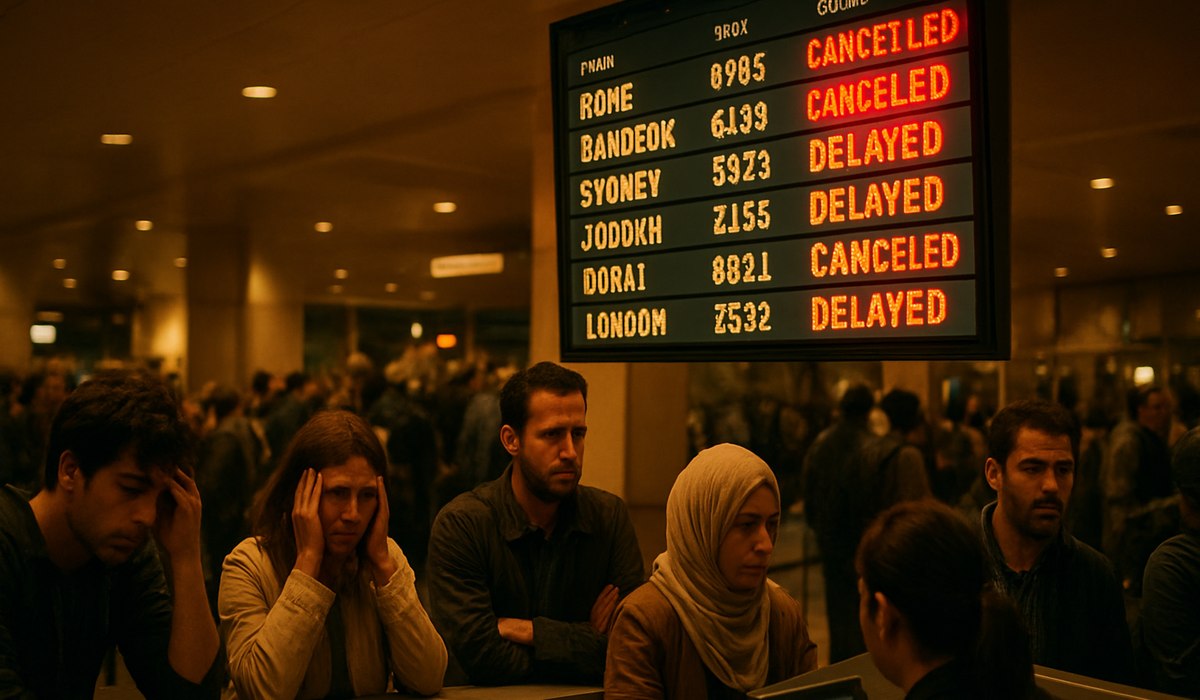
Image generated by AI
Major Flight Cancellations Snarl Middle East-India Travel This Weekend
Saudia, FlyDubai, Gulf Air, and Air Arabia have canceled at least 35 flights and delayed over 80 more across critical Gulf-India routes this weekend, disrupting travel through major hubs in Riyadh, Dubai, Mumbai, and Chennai. The widespread flight cancellations snarl is expected to persist through Sunday as operational constraints and regional airspace adjustments cascade through carrier networks. Passengers connecting between the Arabian Gulf and South Asia face extended delays, missed connections, and limited rebooking options on an already-strained travel weekend.
Widespread Disruptions at Key Middle East and Indian Hubs
The latest wave of flight cancellations snarl stems from fragile regional airline operations following weeks of airspace instability and airport capacity constraints. Primary hubs including Dubai, Riyadh, Jeddah, and Manama are experiencing cascading effects as disrupted aircraft rotations force carriers to trim schedules or retime services without notice.
On the Indian side, Mumbai and Chennai airports are absorbing significant passenger backlogs as Gulf connections reduce or face rolling delays. Secondary routes linking Sharjah, Dammam, and Kuwait City are also affected, creating a ripple effect across feeder networks. Travel tracking via FlightAware shows the affected four carriers have suspended at least 35 services while 83 additional flights face delays exceeding two hours.
The uneven pattern across hubs means some airports experience only schedule shuffles, while others face outright suspensions on selected routes. This unpredictability makes it nearly impossible for travelers to confirm whether their services will operate as planned without direct airline contact.
Which Routes and Airlines Are Most Affected
Saudia, relying heavily on Riyadh, Jeddah, and Dammam as connecting hubs, has implemented selective cancellations on South and Southeast Asia routes. When aircraft and crew rotations fall behind schedule, subsequent Mumbai and Chennai departures face immediate retiming or removal from flight boards.
FlyDubai and Air Arabia, both ultra-low-cost carriers with tight utilization patterns, operate quick-turnaround models at Dubai and Sharjah. Upstream delays trigger cascading departure bank delays, pushing entire departure waves backward and producing clusters of cancellations on regional routes.
Gulf Air from Bahrain has adjusted timetables in response to shifting airspace permissions and demand changes. Temporary operations from Saudi facilities have prompted rapid schedule revisions, with many services retimed with minimal passenger notice.
| Airline | Primary Hubs | Estimated Cancellations | Estimated Delays | Key Routes Affected |
|---|---|---|---|---|
| Saudia | Riyadh, Jeddah, Dammam | 12+ | 22+ | Riyadh-Mumbai, Jeddah-Chennai |
| FlyDubai | Dubai, Sharjah | 10+ | 28+ | Dubai-Mumbai, Sharjah-Bangalore |
| Gulf Air | Manama, Dammam | 8+ | 18+ | Manama-Mumbai, Dammam-Delhi |
| Air Arabia | Sharjah, Dubai | 7+ | 15+ | Sharjah-Chennai, Dubai-Kochi |
| TOTALS | Multi-hub | 35+ | 80+ | Gulf-India Corridor |
Operational Factors Behind the Cancellations
Regional airspace restrictions and evolving security assessments have forced airlines to adjust routings and frequencies, complicating aircraft and crew positioning across networks. These operational constraints directly impact schedule reliability on long-haul and regional corridors.
For carriers like Saudia, small shifts in allowable routings cascade into significant schedule gaps. When aircraft cannot complete planned rotations on schedule, downstream departures—particularly those to Indian cities—face immediate retiming or cancellation.
FlyDubai and Air Arabia operate with minimal schedule buffers, designed around rapid aircraft turnarounds. Any upstream delay triggers downstream disruptions across their entire daily schedule, multiplying the initial cancellation count.
Gulf Air's temporary use of Saudi airports for certain operations has introduced complexity in crew and equipment positioning. Rolling timetable revisions across the weekend have left many services retimed with inadequate passenger notification windows.
Industry analysis suggests these operational factors will persist through early next week, keeping regional flight reliability strained for continued booking uncertainty.
What Passengers Should Do Now
Travelers with bookings on affected routes should take immediate action to protect their journey plans.
Traveler Action Checklist:
- Contact your airline directly via phone or official website chat—avoid airport-only contact for faster resolution
- Request rebooking options immediately on the next available flight, even if it extends your journey by hours
- Document all communications with airline agents, including confirmation numbers and rebooking reference codes
- Check your passenger rights under US DOT regulations and applicable Middle East/South Asia rules for compensation eligibility
- Verify alternate routing through different Gulf hubs (Doha, Abu Dhabi, Kuwait) if your original connection is unavailable
- Monitor flight status hourly on FlightAware for real-time updates through Sunday
- Book accommodation if you face overnight delays—request reimbursement from your airline per international rules
- Alert connecting airlines about missed onward segments to preserve those bookings while you reroute
Passengers should avoid relying on airport ground staff for rebooking and instead contact airline customer service centers with documented delay records.
FAQ
What should I do if my flight is already canceled? Contact your airline immediately via phone to request rebooking on the next available service. Most carriers are offering rerouting through alternative Gulf hubs or delayed departures on the same route. Request written confirmation of your new booking reference and estimated departure time. Airlines must provide accommodation and meals if you face overnight delays exceeding 12 hours.
Can I get a refund instead of rebooking? Yes, international passengers are entitled to refunds under IATA rules and US Department of Transportation standards if they reject rebooking options. However, refund processing times often extend 4-8 weeks. Rebooking typically gets you to your destination faster, even if it requires routing changes.
Which airlines are offering the best rebooking options this weekend? Saudia and Gulf Air are prioritizing same-day rerouting through alternate Gulf hubs where capacity exists. FlyDubai and Air Arabia have more limited rebooking inventory due to their smaller fleet sizes. Check individual airline statements for specific rebooking policies, as each carrier follows different procedures during operational disruptions.
Will I face additional charges if I accept a rebooking? No. When an airline cancels a flight, rebooking on any alternative service should be offered at no additional charge. If you voluntarily change your booking to a premium cabin or earlier departure, you may owe the fare difference. Always confirm your rebooking terms before accepting to avoid unexpected costs.
What This Means for Travelers
The weekend flight cancellations snarl represents the largest disruption to Gulf-India air connectivity in recent months. Passengers should expect limited rebooking options, extended layovers, and potential overnight delays if traveling through affected hubs. Airlines have historically prioritized business-class and frequent-flyer passengers for same-day alternatives, leaving economy travelers with multi-
Disclaimer
This article is for informational and educational purposes only. It does not constitute legal, financial, or professional advice. While we strive to provide accurate and up-to-date information, travel policies, regulations, and conditions change rapidly. Always verify information with official sources before making travel decisions. Nomad Lawyer makes no representations about the accuracy, reliability, completeness, or suitability of the information provided. Readers should consult qualified professionals for advice specific to their circumstances. The views expressed in this article are those of the author and do not necessarily reflect the views of Nomad Lawyer.
Preeti Gunjan
Contributor & Community Manager
A passionate traveller and community builder. Preeti helps grow the Nomad Lawyer community, fostering engagement and bringing the reader experience to life.
Learn more about our team →