
Fighter jets generation race: US and Europe accelerate 6th-gen deployments by 2030
Global fighter jets generation arms race intensifies in 2026 as US, Europe, and China compete for 6th-generation combat dominance. Operational deployments expected in the 2030s.

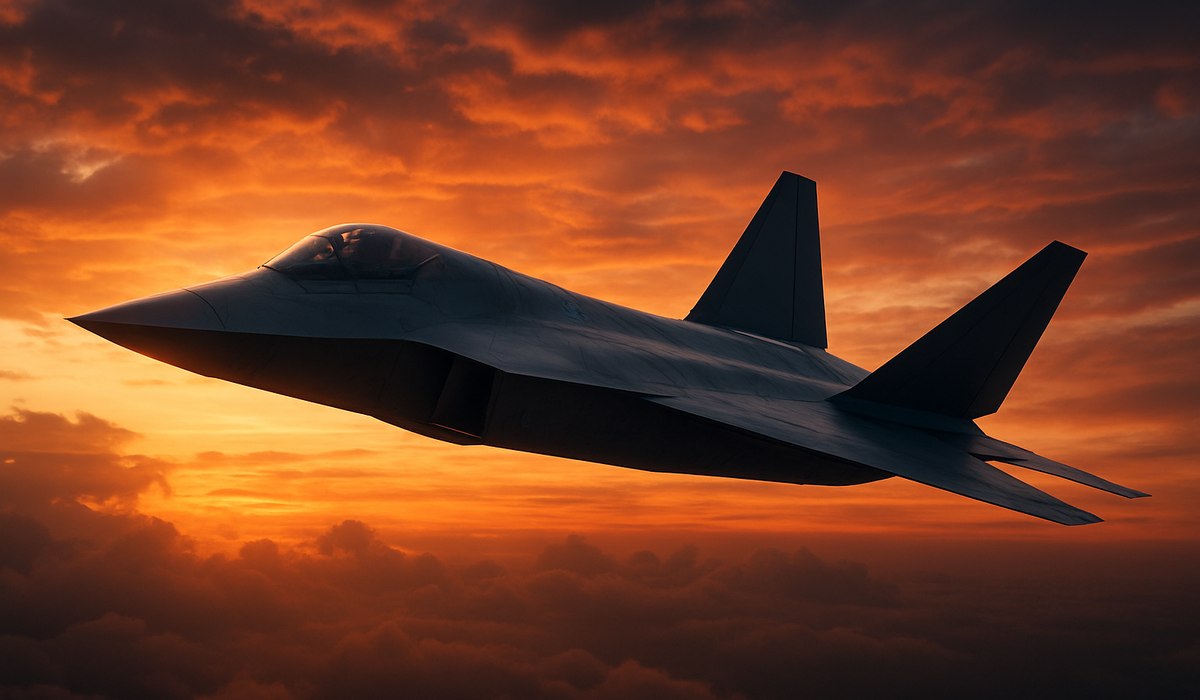
Image generated by AI
The Fighter Jets Generation Race Accelerates Globally
The world's leading military powers entered an unprecedented acceleration phase in 2026 regarding fighter jets generation technology. A competitive surge for sixth-generation combat aircraft has reshaped global aerospace priorities, with operational deployment windows now firmly targeted for the early 2030s. The fighter jets generation rivalry involves major defense contractors and military forces competing across three continents. Initial test flights and developmental milestones have shifted strategic calculations for air superiority doctrine. This acceleration represents the most significant military aviation initiative since stealth technology redefined combat capabilities three decades ago.
China's Early Demonstration and the Western Response
China maintained an early technological advantage by conducting the first public demonstration of a sixth-generation fighter jets generation prototype in 2025. This strategic reveal prompted immediate responses from Western defense ministries and aerospace firms. The United States accelerated existing programs at Lockheed Martin and Boeing facilities. European NATO partners launched coordinated development initiatives to ensure competitive parity by the early 2030s deployment window.
The fighter jets generation competition reflects broader geopolitical tensions and technological rivalries. American defense planners emphasized that Western variants would incorporate superior sensor fusion, artificial intelligence integration, and network-centric warfare capabilities. European contributions focused on advanced propulsion systems and autonomous flight management. Intelligence assessments suggested China's early lead might be offset by Western manufacturing expertise and battle-proven integration methodologies within the next five years.
Key Players: Boeing, Lockheed Martin, and NATO Powers
Lockheed Martin emerged as the primary United States contractor for sixth-generation fighter jets generation development. The company's advanced concepts division unveiled prototype configurations emphasizing hypersonic cruise capabilities and extended-range engagement systems. Boeing subsidiary Phantom Works collaborated on distributed sensing architectures and directed energy weapon integration frameworks.
European partners formed multinational consortiums addressing fighter jets generation challenges. The United Kingdom, France, and Germany coordinated developmental efforts through established aerospace partnerships. Swedish and Italian manufacturers contributed specialized subsystems for advanced materials and sensor technologies. These collaborative structures aimed to consolidate European technological advantages and reduce individual national development costs.
Russian and Indian aerospace manufacturers pursued independent sixth-generation initiatives, though resource constraints limited competitive timelines. The fighter jets generation race thus became fundamentally bipolar—Western alliance systems versus Chinese platforms with secondary Eastern alternatives.
Expected Operational Deployment Timeline and Implications
Initial operational capability windows for fighter jets generation systems currently align with 2032-2035 deployment schedules. American variants were projected for service entry between 2033-2034, contingent upon successful testing phases and Congressional appropriations approval. European systems targeted similar timeframes with potential accelerations through increased defense spending commitments. Chinese military planners publicly referenced 2030-2032 operational readiness, though independent verification remained limited.
The fighter jets generation transition creates significant implications for aerospace supply chains, pilot training academies, and infrastructure modernization worldwide. Air bases required substantial runway improvements for hypersonic operations. Maintenance facilities needed redesign for advanced composite material handling. Flight schools must integrate artificial intelligence partnership training protocols.
Operational deployment of sixth-generation fighter jets generation platforms will fundamentally alter tactical doctrines, air combat rules of engagement, and strategic deterrence calculations. Acquisition costs for these systems exceeded previous generation expenses by thirty to fifty percent, straining national defense budgets. The fighter jets generation transition will reshape NATO interoperability standards and bilateral defense agreements across allied nations.
What This Means for Travelers
The accelerating fighter jets generation development program affects civilian aviation through several indirect pathways that international travelers should understand:
-
Airport Infrastructure Delays: Military facilities at dual-use airports may experience periodic closures for sixth-generation testing. Check departure airports for potential military activity schedules.
-
Airspace Restrictions: Newly established testing corridors for fighter jets generation prototypes could create temporary airspace restrictions affecting commercial flight routing and travel times.
-
Defense Budget Impacts: Increased fighter jets generation spending may influence government aviation subsidies and regional airline operations across affected countries.
-
Technology Crossover Benefits: Advanced materials and avionics from fighter jets generation programs often transfer to commercial aircraft, potentially improving civilian aviation safety and efficiency within five to seven years.
-
Geopolitical Volatility: The fighter jets generation competition may intensify international tensions affecting visa policies, border security protocols, and travel advisories for certain regions.
Monitor FAA announcements regarding airspace modifications and US DOT travel advisories for any aviation impacts from military modernization initiatives. Consider booking flights through alternative routing if military testing activities affect your preferred airports during 2026-2027.
Traveler Action Checklist
-
Register with your airline for real-time notifications about schedule changes related to military airspace restrictions.
-
Check FlightAware daily before travel for active airspace restrictions or military testing zones affecting your departure airport.
-
Review FAA Notices to Airmen (NOTAMs) at FAA for temporary flight restrictions tied to military aircraft testing.
-
Verify your flight route does not transit established sixth-generation fighter jets generation testing corridors in the southwestern United States or European development zones.
-
Document airline communications regarding schedule disruptions so you can file claims for compensation under US DOT passenger protection regulations.
-
Contact your airline 48 hours pre-departure to confirm final routing and any military-related schedule modifications.
-
Purchase travel insurance with military/security exclusions coverage for flights through regions with active defense testing programs.
Key Data Table
| Region | Primary Contractor | Projected Deployment | Expected Fighter Jets Generation Features | Status |
|---|---|---|---|---|
| United States | Lockheed Martin | 2033-2034 | Hypersonic cruise, AI integration, directed energy | Advanced development |
| Europe | Multinational consortium | 2032-2035 | Advanced propulsion, sensor fusion, autonomous systems | Coordinated development |
| China | AVIC/CAC | 2030-2032 | Stealth optimization, long-range engagement | Prototype demonstrated |
| United Kingdom | BAE Systems | 2034-2035 | Quantum sensors, network-centric warfare | Collaborative program |
| France | Dassault Aviation | 2033-2034 | Advanced materials, extended range, AI copiloting | Development phase |
FAQ
Q: How will the fighter jets generation race impact civilian aviation safety? A: Sixth-generation development programs may create temporary airspace restrictions near testing facilities. However, advanced materials and safety technologies derived from fighter jets generation research often enhance commercial aircraft reliability. Civilian aviation maintains separate protocols from military testing operations.
Q: Will fighter jets generation testing cause flight cancellations? A: Direct cancellations remain unlikely, but flights may experience routing adjustments or minor delays. Monitor FAA airspace notifications and your airline communications for real-time updates regarding military activity impacts.
Q: Which airports will experience fighter jets generation testing disruptions? A: Primary testing occurs at military facilities in the southwestern US, central Europe, and undisclosed Chinese locations. Civilian airports maintaining joint-use operations may occasionally experience schedule adjustments during testing phases.
Q: How can travelers prepare for potential fighter jets generation-related disruptions? A: Book flights through alternate airports when possible, purchase comprehensive travel insurance, register for airline notifications, and maintain flexibility in travel schedules during peak testing periods in 2026-2027.
Related Travel Guides
Disclaimer
This article is for informational and educational purposes only. It does not constitute legal, financial, or professional advice. While we strive to provide accurate and up-to-date information, travel policies, regulations, and conditions change rapidly. Always verify information with official sources before making travel decisions. Nomad Lawyer makes no representations about the accuracy, reliability, completeness, or suitability of the information provided. Readers should consult qualified professionals for advice specific to their circumstances. The views expressed in this article are those of the author and do not necessarily reflect the views of Nomad Lawyer.
Kunal K Choudhary
Co-Founder & Contributor
A passionate traveller and tech enthusiast. Kunal contributes to the vision and growth of Nomad Lawyer, bringing fresh perspectives and driving the community forward.
Learn more about our team →