
Indiana River Fly Fishing: Midwest's Hidden Gem for Anglers in 2026
Indiana's dramatic rivers are emerging as world-class fly-fishing destinations in 2026. Discover why Midwest anglers are flocking to underrated waterways for premium river adventures and trophy catches.

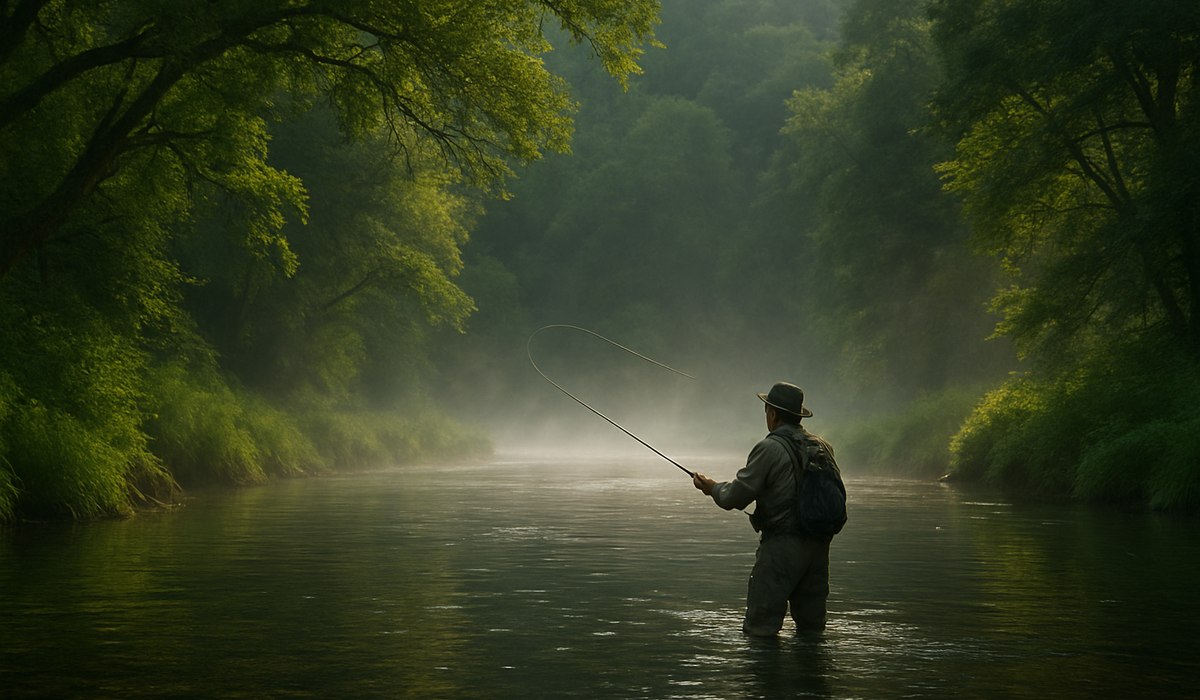
Image generated by AI
Why Midwest Fly Fishing Is Gaining Momentum Among Nomadic Anglers
Indiana's dramatic river systems are quietly revolutionizing how traveling anglers approach midwest fly fishing in 2026. Unlike crowded Rocky Mountain destinations, Indiana river fly fishing offers pristine waterways with fewer crowds and exceptional catch rates. The state's network of limestone-fed streams and powerful river corridors creates ideal conditions for both beginners and experienced fly anglers. Nomadic travelers seeking authentic fishing adventures beyond traditional destinations are discovering that Indiana delivers world-class opportunities at a fraction of the cost and competition found elsewhere.
The shift toward midwest fly fishing reflects a broader travel trend: experienced adventurers prioritizing discovery and accessibility over Instagram-famous hotspots. Indiana's rivers provide that perfect balance. These waterways host healthy populations of smallmouth bass, walleye, and native trout species. The dramatic landscape—limestone bluffs, clear waters, and seasonal hatches—rivals destinations costing triple the price in neighboring states.
Indiana's Best Fly-Fishing Rivers and Waterways
The White River: A Premier Fishing Destination
The White River stands as Indiana's flagship destination for serious fly anglers. Flowing 362 miles through the state's heartland, this legendary waterway earned recognition among midwest fly fishing communities for its dramatic bends, deep pools, and consistent hatches. The river's limestone foundation maintains cool, clear water throughout summer months, creating stable fishing conditions when other midwest waters warm up.
The lower White River sections near Indianapolis provide convenient access for nomadic anglers. Swift current, rocky structure, and abundant food sources make this stretch particularly productive. Spring brings prolific mayfly hatches that trigger aggressive feeding behavior. Summer smallmouth bass fishing reaches peak quality in June and July when water temperatures stabilize.
The Wabash River System
Indiana's second-longest river network, the Wabash River system, offers diverse fishing destination opportunities across multiple county lines. The main Wabash channel supports strong populations of walleye, musky, and largemouth bass. Tributary streams branching from the main river create secluded fly-fishing opportunities away from commercial traffic.
The Wabash excels for wade fishing in spring and fall when water levels permit. Early morning sessions often yield excellent results before recreational boaters arrive. Evening hatches—particularly caddisfly emergences—create feeding windows that can produce remarkable action in shallow flats and drop-off zones.
Lost River and Spring Mill Creek
For anglers seeking true river adventure in pristine settings, Lost River delivers dramatically scenic terrain. Disappearing underground periodically, this unique waterway creates otherworldly fishing conditions. Spring Mill Creek, adjacent to the state park, combines manageable float distances with excellent smallmouth bass populations.
These waters represent Indiana's most dramatic rivers from a scenic perspective. Limestone cliffs, cave systems, and crystal-clear water create an immersive nature experience alongside productive fishing. The combination makes these destinations particularly attractive for adventure-focused travelers balancing sport and scenery.
What Makes Indiana River Fly Fishing Special
The foundation of Indiana's appeal lies in its geological characteristics. Limestone bedrock filters groundwater, producing naturally cool, clear rivers ideal for fly fishing. This geological advantage creates stable pH levels and consistent invertebrate populations that sustain healthy fish communities.
Seasonal hatches in Indiana rivers follow predictable patterns, rewarding prepared anglers with knowledge of local conditions. Spring mayfly emergences begin in March and extend through May. Summer caddisfly activity peaks in June and July. Fall brings another significant hatch window in September and October when water temperatures drop and feeding intensity increases.
Access distinguishes Indiana river fly fishing from competitors. Public lands, state parks, and established access points eliminate the political complexity of private landowner negotiations common in other regions. This accessibility means more time fishing and less time planning complicated access strategies—crucial for nomadic anglers managing tight schedules.
The community aspect deserves mention. Local fly shops, guide services, and established angler networks welcome visitors and provide essential on-the-water knowledge. This collaborative culture creates an inclusive environment for traveling fly fishers seeking mentorship and local insights.
Planning Your Indiana Fly-Fishing Adventure
Best Times to Visit
Spring (March-May) offers explosive hatches and comfortable temperatures for wading. This season attracts most serious fly anglers because of consistent fishing and pleasant weather. Summer (June-August) brings warm conditions and excellent smallmouth bass activity, though midday heat requires early-morning or evening fishing strategies.
Fall (September-November) delivers another peak window with cooler water temperatures and renewed feeding activity. Fewer anglers visit during this period, making it ideal for solitude-seeking travelers. Winter fishing remains possible in select locations but requires specialized techniques and cold-weather preparation.
Essential Gear and Preparation
Bring versatile fly selections targeting local species. Mayfly nymphs, caddisfly patterns, and streamers covering 12-18 foot depths work across most Indiana rivers. A 5-weight rod suffices for most situations, though lighter 3-4 weight rigs excel on smaller tributaries. Wade boots with strong ankle support prove essential for rocky bottoms and slippery limestone transitions.
Research current conditions before arrival. Water levels fluctuate seasonally and after rainfall events, dramatically affecting fishing success. Local fly shops provide real-time intelligence invaluable for trip planning. Contact guides willing to share beta or join online angler forums discussing recent catch reports and hatch predictions.
Accommodation and Logistics
Indiana's modest tourism infrastructure means lodging costs significantly undercut mountain destination prices. Nomadic travelers enjoy flexibility in choosing riverside cabin rentals, state park facilities, or budget-friendly chain hotels in nearby towns. Camping options abound near major fishing destinations, providing immersive experiences at minimal expense.
Plan travel logistics around multiple river options. Visiting different waterways within a single trip maximizes experience variety while minimizing travel distances. The state's compact size means driving between major destinations rarely exceeds two hours, enabling efficient multi-river itineraries.
Key Indiana River Fly-Fishing Facts and Data
| Metric | Details |
|---|---|
| Primary Species | Smallmouth bass, walleye, channel catfish, native trout |
| Best Fly-Fishing Season | April-May (spring hatches); June-July (summer bass); September-October (fall feeding) |
| White River Length | 362 miles through Indiana |
| Average Daily Guide Rate | $350-$500 for experienced professionals |
| Peak Hatch Periods | Mayflies (March-May); Caddisflies (June-July); Fall stoneflies (Sept-Oct) |
| Public Access Points | 40+ established access areas across major rivers |
| Average Trip Duration | 3-5 days optimal; weekend trips viable |
| Estimated Annual Angler Visits | 2.5M+ (Indiana DNR data) |
What This Means for Travelers
Indiana river fly fishing represents a strategic alternative to overcrowded destination fishing. Here's how nomadic anglers should approach this emerging opportunity:
-
Prioritize Spring Visits: March through May offer optimal conditions combining comfortable temperatures, predictable hatches, and fewer crowds than summer months. Book accommodations two months ahead for peak weeks.
-
Combine Multiple Rivers: Structure trips around 3-4 different waterways to maximize experience and adapt to variable conditions. This approach reduces frustration from single-location dependencies.
-
Engage Local Guides: A single guided day provides invaluable knowledge translating to week-long success. Guides share location secrets, seasonal patterns, and current fly selections impossible to acquire independently.
-
Budget Strategically: Indiana fishing costs 40-50% less than Rocky Mountain equivalents. Reinvest savings into guides, premium lodging, or extended stay opportunities enhancing overall experience quality.
-
Plan Around Hatches: Confirm current ins
Disclaimer
This article is for informational and educational purposes only. It does not constitute legal, financial, or professional advice. While we strive to provide accurate and up-to-date information, travel policies, regulations, and conditions change rapidly. Always verify information with official sources before making travel decisions. Nomad Lawyer makes no representations about the accuracy, reliability, completeness, or suitability of the information provided. Readers should consult qualified professionals for advice specific to their circumstances. The views expressed in this article are those of the author and do not necessarily reflect the views of Nomad Lawyer.
Raushan Kumar
Founder & Lead Developer
Full-stack developer with 11+ years of experience and a passionate traveller. Raushan built Nomad Lawyer from the ground up with a vision to create the best travel and law experience on the web.
Learn more about our team →