
FAA Systems Outage Triggers Mass Cancellations at Major Northeast Hub in September 2026
A critical FAA systems disruption at a primary Northeast U.S. hub forced an immediate ground stop and widespread global flight cancellations, exposing severe vulnerabilities in congested airspace.

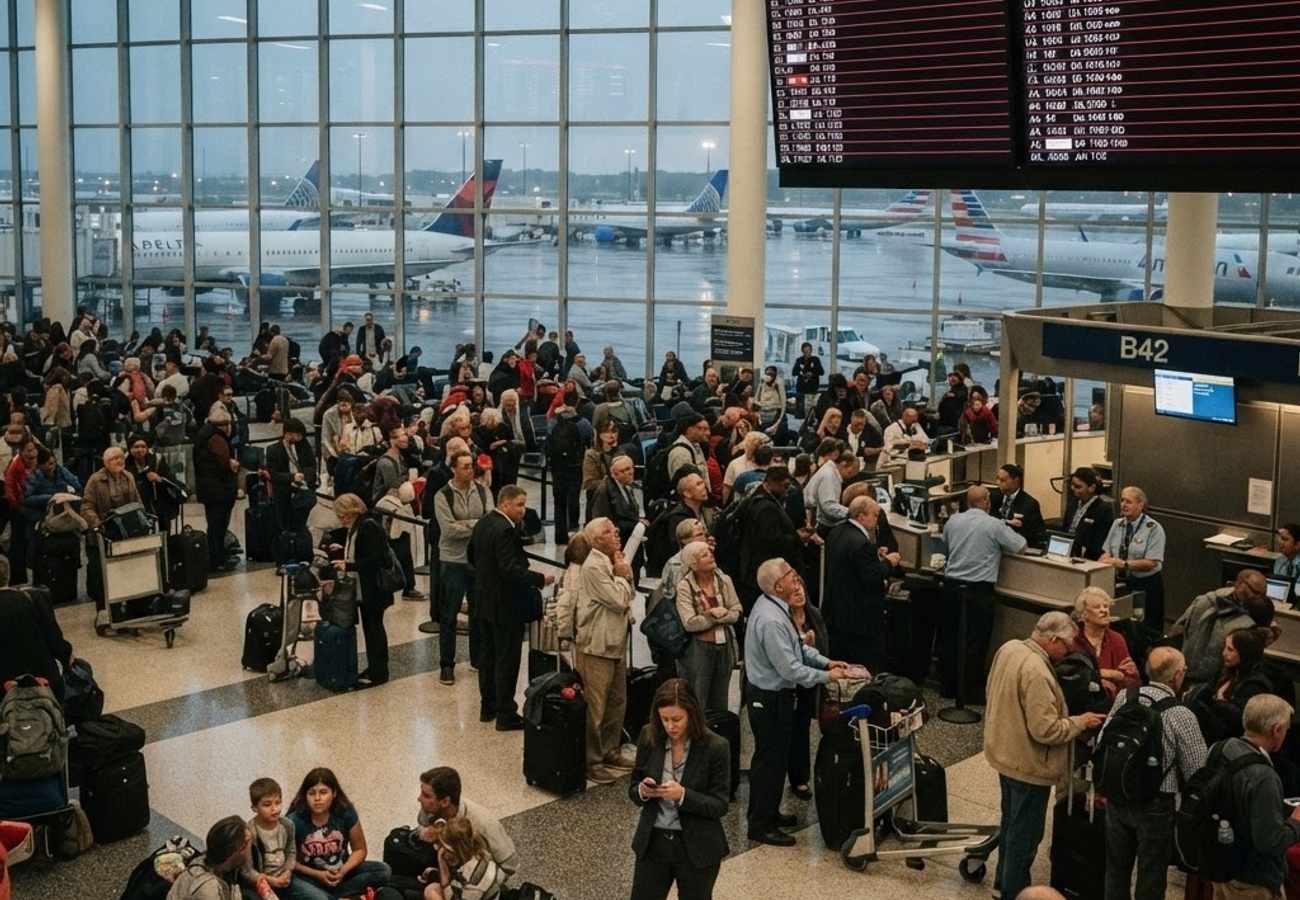
Image generated by AI
A temporary FAA systems disruption at a primary Northeast hub has forced a total ground stop and mass cancellations, creating a ripple effect across domestic and international flight schedules.
Operational Breakdown of the FAA Disruption
On September 2, 2026, a sudden failure in Federal Aviation Administration (FAA) systems serving a critical Northeast U.S. hub resulted in an immediate suspension of most departures. According to operational advisories from the FAA’s Air Traffic Control System Command Center, the hub transitioned rapidly from a "heavy delay" posture to an effective suspension of scheduled movements.
Our analysis of FAA real-time operations summaries indicates that traffic management programs in the Northeast were already under pressure due to congestion and weather-avoidance routing before the system failure occurred. This lack of operational "slack" meant that when the outage hit, departure capacity dropped sharply, leaving airlines with no choice but to scrap large portions of their schedules to prevent aircraft and crews from being stranded.
While arrivals were permitted on a limited basis following airspace flow adjustments, the loss of departure capability paralyzed long-haul operations. Because global carriers rely on these hubs for aircraft rotation, the cancellation of outbound transatlantic and transpacific legs triggered a cascade of cancellations on onward flights worldwide.
Flight and Airport Impact Analysis
Flight tracking systems and industry performance data reveal the following specific impacts:
- Hub Status: Transitioned from heavy delays to a full ground stop for departures.
- Domestic Impact: Severe cancellations for routes heading to the U.S. Midwest and South.
- International Impact: High-priority cancellations of long-haul flights due to strict crew duty limits and foreign airport slot constraints.
- Network Effect: Outbound cancellations automatically triggered the cancellation of return segments and subsequent legs for the same aircraft.
- Capacity Constraints: The outage removed significantly more slots than the capped levels typically outlined in FAA operating limitations for airports like Newark Liberty.
Passenger Rights and Recovery Advisory
For the affected passenger, a system-wide outage does not automatically waive the airline's obligations, though the "extraordinary circumstances" clause is often cited. Our analysis of current aviation policy suggests the following actionable steps:
1. Compensation Rights (EU261/2004 & UK261) If your flight departed from an EU/UK airport or was operated by an EU/UK carrier arriving into the Northeast hub, you may be entitled to care and assistance. While an FAA outage may be classified as an "extraordinary circumstance" (exempting the airline from cash compensation), the airline is still legally required to provide:
- Meals and refreshments.
- Two phone calls or emails.
- Hotel accommodation and transport if an overnight stay is required.
2. U.S. Department of Transportation (DOT) Guidelines For domestic flights, if the airline cancels your flight for any reason and you choose not to travel on the offered alternative, you are entitled to a full refund of the ticket price and any prepaid taxes—regardless of whether the ticket was "non-refundable."
3. Rebooking Strategies Our analysis indicates that alternative flights from neighboring major airports often sell out within hours of a hub failure. Passengers should:
- Avoid waiting in airport queues; use the airline's mobile app or social media DM channels for faster rebooking.
- Request "interlining," where the airline books you on a competitor's flight to reach your destination.
- Document all expenses (hotel, food) with itemized receipts for subsequent reimbursement claims.
Industry Analyst Perspective
This incident highlights a dangerous dependency on a small number of densely scheduled hubs. Federal Register notices have previously documented chronic staffing shortages at terminal radar and approach control facilities in the New York and Philadelphia corridors.
The 2026 summer season was already characterized by reduced domestic frequencies due to FAA daily flight caps. When a technical outage is layered over these existing structural constraints, the system lacks the redundancy to absorb the shock. This event will likely serve as a primary case study for regulators arguing for modernized, decentralized air traffic infrastructure to prevent a single point of failure from disrupting global aviation.
Recovery is expected to take several days as aircraft and crews are repositioned to their original scheduled bases.
Related Travel Guides
Disclaimer
This article is for informational and educational purposes only. It does not constitute legal, financial, or professional advice. While we strive to provide accurate and up-to-date information, travel policies, regulations, and conditions change rapidly. Always verify information with official sources before making travel decisions. Nomad Lawyer makes no representations about the accuracy, reliability, completeness, or suitability of the information provided. Readers should consult qualified professionals for advice specific to their circumstances. The views expressed in this article are those of the author and do not necessarily reflect the views of Nomad Lawyer.
Preeti Gunjan
Contributor & Community Manager
A passionate traveller and community builder. Preeti helps grow the Nomad Lawyer community, fostering engagement and bringing the reader experience to life.
Learn more about our team →