
Night Hiking El Yunque National Forest: A Guide to Puerto Rico's Only Tropical Rainforest 2026
Discover the nocturnal secrets of El Yunque National Forest, from the call of the coquí frog to the best luxury bases for eco-tourists in Puerto Rico.

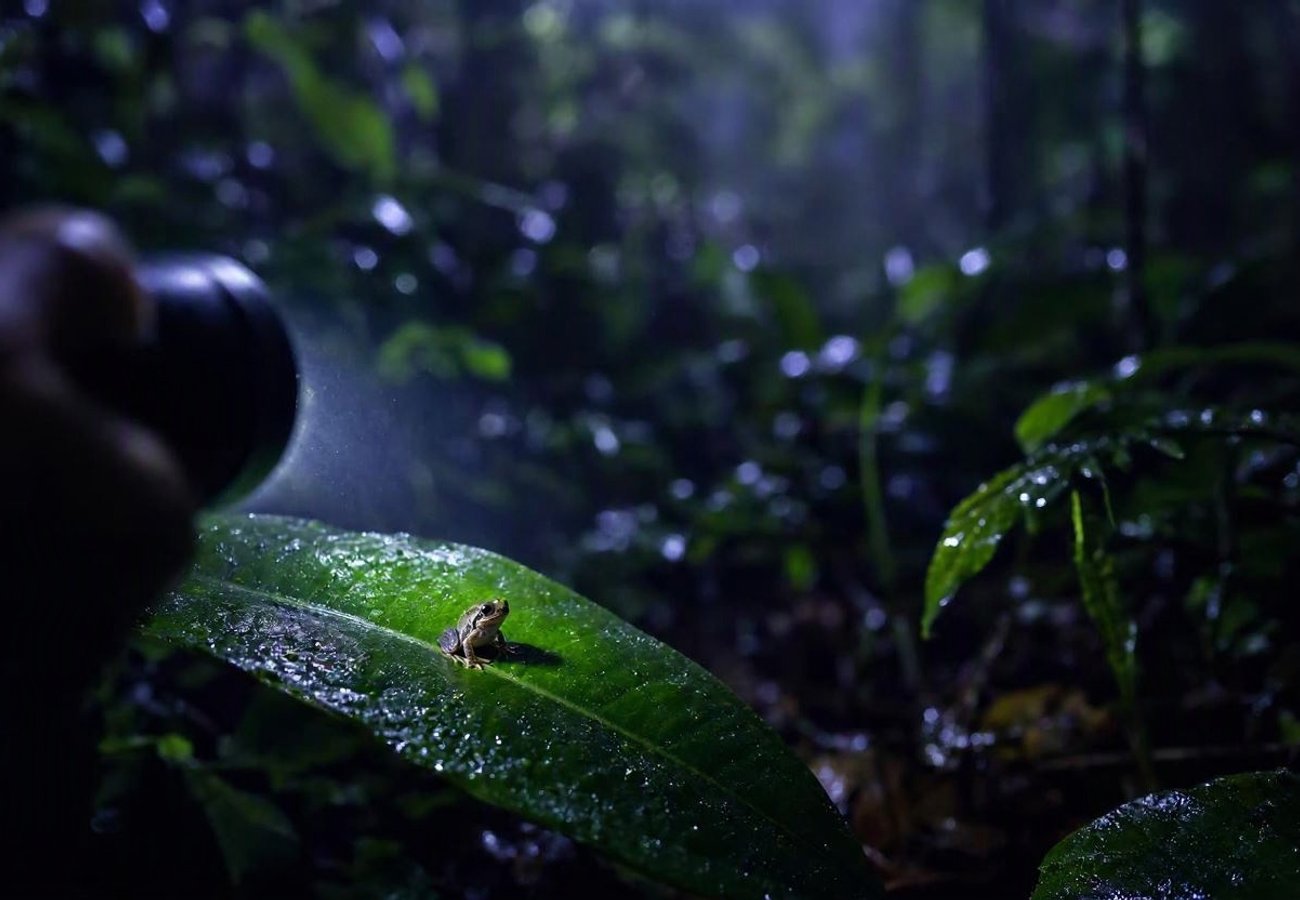
Image generated by AI
The adult coquí tree frog measures only about two inches long, yet its male call is so piercing it defines the entire acoustic identity of the forest. While most visitors experience the rainforest under the midday sun, the true biological engine of El Yunque only reveals itself after dark, transforming the woods into a raucous symphony of nocturnal wildlife.
The Shift Toward Nocturnal Eco-Tourism
For years, the standard Puerto Rican itinerary focused on the colonial forts of Old San Juan or the white sands of the coast. However, there is a growing movement among travelers to move beyond the "resort bubble" and engage with the island's raw biodiversity. El Yunque National Forest, managed by the U.S. Forest Service, is the only tropical rainforest within the U.S. National Forest System.
While daytime treks offer sweeping views of the Luquillo Mountains, night tours provide a different kind of intimacy. The transition from day to night triggers a complete shift in the ecosystem; the birds fall silent, and the invertebrates and amphibians take over. For those staying at luxury hubs like the Hyatt Regency Grand Reserve, this allows for a "dual immersion" experience—spending the morning in a poolside cabana and the midnight hours tracking native bats and giant millipedes.
What Makes El Yunque Unique
Geographically, El Yunque is a marvel of altitude and moisture. With peaks climbing more than 3,500 feet above sea level, it creates its own weather patterns, often resulting in sudden, heavy rainstorms that sustain its 28,000 acres of dense canopy. Unlike the temperate forests of the mainland U.S., this is a world of palm canopies and bromeliads.
The forest is most famous for the coquí. This tiny frog is more than just a biological specimen; it is a cultural mascot of Puerto Rico. The male's call is a two-part signal: the "co" serves as a territorial warning to other males, while the "kee" is designed to attract a mate. Beyond the frogs, the forest hosts a variety of rare species, including Puerto Rico's only native owl and a wide array of stick insects and tree snails.
Trail Difficulty and Distance Breakdown
Whether you are looking for a casual stroll or a grueling climb, the forest offers a range of options. Note that for night hikes, sticking to guided loops near the visitor center is the safest and most productive way to spot wildlife.
| Trail Name | Difficulty | Distance (Miles) | Best For |
|---|---|---|---|
| Angelito Trail | Easy | 0.8 | Families / Quick Walks |
| Mount Britton Tower | Moderate | 1.7 | Panoramic Views |
| Caimitillo Trail | Moderate | 3.8 | Flora Observation |
| El Yunque Forest Big Loop | Moderate | 7.1 | Endurance Hikers |
| El Yunque Trail | Hard | 4.4 | Experienced Trekkers |
Visitor Insider Tips
To get the most out of a visit to the rainforest, you need to plan for the humidity and the timing.
- The "Golden Window": Arrive at the visitor center exactly as the sun sets. This is when the "changing of the guard" happens between diurnal and nocturnal animals, and the coquí chorus is at its peak.
- Gear Essentials: Do not rely on a light jacket. Bring a high-quality poncho. Rain in the Luquillo Mountains is frequent and sudden; listening to the rain hit the palm fronds is part of the experience, but being soaked through your clothes is not.
- Base Yourself Wisely: If you prefer luxury over rustic camping, the area near Fajardo offers high-end options. The Hyatt Regency Grand Reserve is a strategic choice, located roughly 20 minutes from the forest entrance.
- Transport: El Yunque is located approximately 40 minutes east of Luis Muñoz Marin International Airport. Renting a car is highly recommended, as public transport to the forest interior is limited.
- Etiquette: This is a fragile ecosystem. Stay on the marked trails to avoid compacting the soil around ancient root systems and never attempt a night hike without a certified local guide.
Cultural and Environmental Context
Tourism in El Yunque is a delicate balancing act. As a UNESCO-recognized region of immense biological importance, the forest faces pressure from increasing visitor counts. The shift toward guided eco-tours is a conscious effort to move tourists away from damaging the undergrowth and toward an educational model of conservation.
The integration of luxury resorts adjacent to the national forest has created a unique economic dynamic. While it provides easy access for international tourists, it also places a premium on the "buffer zones" between developed land and the wild rainforest. Local guides are essential here, as they bridge the gap between the resort experience and the indigenous knowledge of the forest's rhythms.
FAQ: Visiting El Yunque 2026
What is the best time to visit El Yunque? While the forest is open year-round, visiting during the shoulder seasons avoids the peak Caribbean crowds. For wildlife spotting, night tours are best conducted during the humid months when amphibian activity is highest.
Do I need a passport to visit Puerto Rico? No, U.S. citizens do not need a passport to travel to Puerto Rico, as it is an official U.S. territory.
How do I get to the forest from San Juan? The most efficient way is by rental car. The forest is located about 40 minutes east of the Luis Muñoz Marin International Airport.
Is it safe for solo travelers? Yes, provided you stay on marked trails during the day. For night exploration, it is mandatory to hire a professional guide for safety and navigation.
The rainforest doesn't sleep; it simply changes its voice.
Related Travel Guides
Disclaimer
This article is for informational and educational purposes only. It does not constitute legal, financial, or professional advice. While we strive to provide accurate and up-to-date information, travel policies, regulations, and conditions change rapidly. Always verify information with official sources before making travel decisions. Nomad Lawyer makes no representations about the accuracy, reliability, completeness, or suitability of the information provided. Readers should consult qualified professionals for advice specific to their circumstances. The views expressed in this article are those of the author and do not necessarily reflect the views of Nomad Lawyer.
Preeti Gunjan
Contributor & Community Manager
A passionate traveller and community builder. Preeti helps grow the Nomad Lawyer community, fostering engagement and bringing the reader experience to life.
Learn more about our team →