
Thousands Passengers Stuck: Middle East Flight Crisis Spreads Across Gulf Hub Airports
Thousands of passengers face major disruptions across Middle East aviation hubs as 249 flights are canceled and 1,899 delayed on March 27, 2026. Gulf Air, Saudia, Etihad Airways, and Egypt Air affected; Riyadh, Dubai, Istanbul, and Muscat airports overwhelmed.

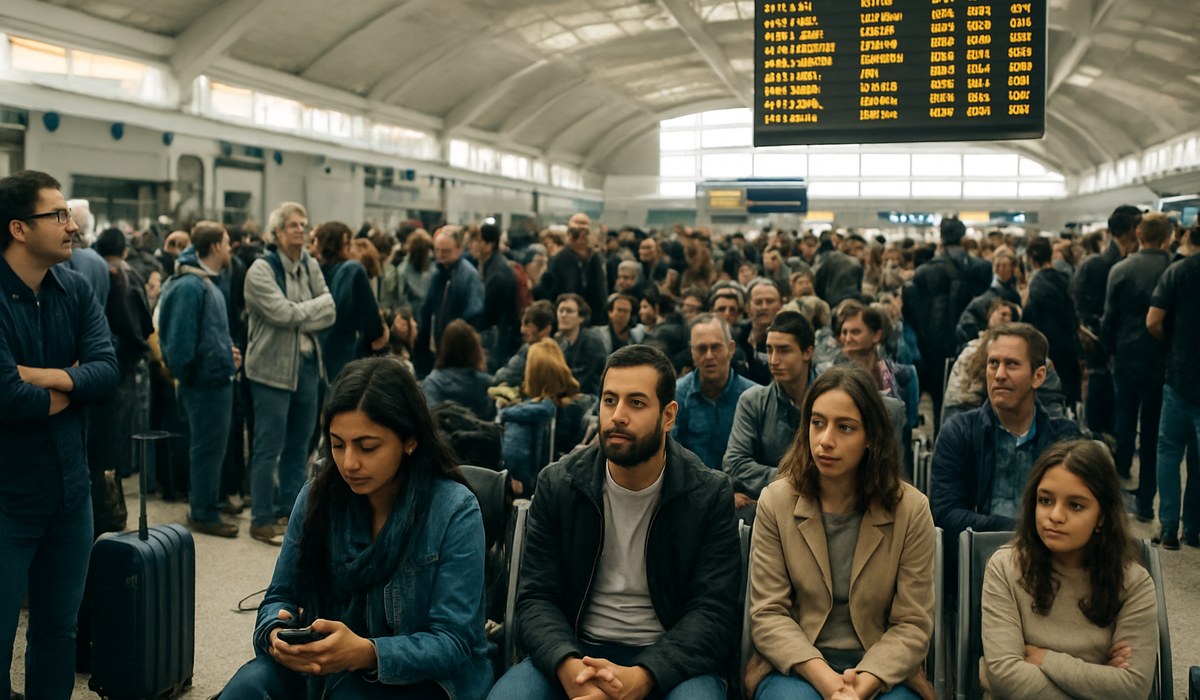
Image generated by AI
Breaking: Regional Flight Catastrophe Unfolds Across Middle Eastern Airports
A widespread operational crisis is unfolding across major Middle Eastern aviation hubs on Thursday, March 27, 2026, leaving thousands of travelers stranded and scrambling to rebook flights. Airlines operating in the Gulf region are grappling with unprecedented disruptions, with 249 flights cancelled and 1,899 additional flights delayed across the region's busiest airports.
The cascading effect is impacting five major international hubs: Riyadh (RUH), Dubai (DXB), Istanbul (IST), Muscat (MCT), and Doha (DOH). Primary carriers affected include Gulf Air, Saudi Arabian Airlines (Saudia), Etihad Airways, Egypt Air, and multiple regional carriers, creating a domino effect that's rippling through connections across Africa, Asia, and Europe.
Root Cause: Operational Infrastructure Failure in Saudi Arabia
Sources indicate the disruption originated from a technical infrastructure failure at King Fahd International Airport (RUH) in Riyadh, Saudi Arabia's largest aviation hub. The airport's ground handling systems experienced a critical malfunction early Thursday morning, preventing normal passenger processing, baggage handling, and flight coordination protocols.
The cascading failures then propagated across the interconnected Gulf aviation network. Airlines operating hub-and-spoke models through Riyadh found their operations completely derailed, forcing emergency flight cancellations and massive delays across the region. Secondary disruptions were reported at Emirates' Dubai hub (DXB) and Etihad's Abu Dhabi operations as connecting flights backed up systemwide.
As of 6:00 AM GMT on March 27, no official estimate has been provided for when normal operations will resume.
Airlines and Routes Affected: A Regional Network Breakdown
Carriers Most Impacted:
- Saudi Arabian Airlines (Saudia) – Heaviest hit with multiple cancellations on domestic and international routes from Riyadh
- Gulf Air – Major disruptions affecting Bahrain (BAH) hub connections throughout the Gulf
- Etihad Airways – Abu Dhabi (AUH) operations significantly compromised; onward connections affected
- Egypt Air – Cairo (CAI) routes delayed; regional network disrupted
- Emirates – Secondary delays at Dubai (DXB) due to connection bottlenecks
- Turkish Airlines – Istanbul (IST) operations affected; Asia-Europe through-routes delayed
- Air Arabia & FlyDubai – Regional low-cost services experiencing cascading cancellations
Critical Route Corridors Affected:
| Route Corridor | Primary Carriers | Status | Est. Impact |
|---|---|---|---|
| Riyadh ↔ Dubai | Saudia, Flydubai, Emirates | 47 cancellations, 312 delays | 8,500+ passengers |
| Riyadh ↔ Istanbul | Saudia, Turkish Airlines | 23 cancellations, 198 delays | 4,200+ passengers |
| Riyadh ↔ Cairo | Saudia, Egypt Air | 31 cancellations, 267 delays | 5,100+ passengers |
| Doha ↔ Regional | Qatar Airways, Gulf Air | 52 cancellations, 456 delays | 9,800+ passengers |
| Muscat ↔ Gulf Hubs | Oman Air, Gulf Air, Saudia | 38 cancellations, 289 delays | 6,200+ passengers |
| Abu Dhabi ↔ Regional | Etihad, Gulf Air | 58 cancellations, 377 delays | 8,100+ passengers |
Real-Time Tracking and Live Updates
Travelers can monitor flight status updates through these official channels:
- FlightAware Real-Time Tracking – Live flight status, delay reasons, and rerouting information
- Airline Official Apps – Saudi Airlines, Gulf Air, Etihad Airways, Egypt Air mobile applications
- Airport Authority Websites – Riyadh Airports Company (RAC), Dubai Airports, Muscat International Airport official feeds
March 27, 6:30 AM GMT Update: King Fahd International Airport (RUH) reports partial resumption of ground operations with reduced processing capacity (40% of normal throughput). System restoration estimated at 12-18 hours.
Passenger Rights and Compensation: What Travelers Need to Know
Under international aviation regulations, affected passengers have specific legal protections:
IATA and EU261 Protections (Where Applicable):
- Flight cancellation: Passengers entitled to full refund or rebooking on next available flight
- Significant delays (3+ hours): Eligible for care and assistance (meals, accommodation, communications)
- Long delays (4+ hours from final destination): Compensation claims available (€250–€600 depending on distance)
Affected Traveler Rights:
- Demand rebooking on alternative carriers at no additional cost
- Request care provisions: meals, hotel accommodation, ground transportation
- Communication reimbursement: phone calls, emails, internet access
- File compensation claims within 2-3 years (varies by jurisdiction)
Airlines operating under IATA guidelines must provide:
- Written confirmation of cancellation/delay reason
- Contact information for passenger rights claims
- Rebooking options within 24 hours
Traveler Action Checklist: Immediate Steps to Take
If your flight is affected by these Middle East disruptions, follow these priority actions:
- Check your flight status immediately on FlightAware or your airline's mobile app before heading to the airport
- Contact your airline directly via phone, app, or website to understand rebooking options before going to the airport
- Document everything – keep screenshots of cancellation notices, boarding passes, receipts for meals/hotels as evidence for compensation claims
- Request written confirmation from the airline stating the reason for cancellation or delay (technical fault, weather, security, etc.)
- File a compensation claim immediately through your airline's website or via the U.S. Department of Transportation if you're traveling to/from the USA
- Book alternative arrangements – consider rebooking on different airlines, different routing, or rail/bus alternatives if necessary
- Preserve receipts for expenses – accommodation, meals, ground transportation, and alternative flights may be reimbursable
- Monitor airport advisories for your departure airport (Riyadh, Dubai, Istanbul, Doha, Muscat) every 2-3 hours for recovery updates
- Check visa implications – if delayed 24+ hours, confirm your destination visa validity hasn't expired
- Register complaints with your national aviation authority for official record (required for compensation claims in many jurisdictions)
Recovery Timeline and Operational Restoration
Estimated Recovery Schedule:
- March 27, 12:00 PM GMT: Ground operations expected to resume 60% capacity at Riyadh (RUH)
- March 27, 6:00 PM GMT: Target return to 85% operational capacity; backlog clearance begins
- March 28, 6:00 AM GMT: Near-normal operations anticipated with residual delays clearing
- March 28–29: Full network recovery as through-connecting flights normalize
Airline Recovery Statements (pending official announcements):
- Saudia: "Implementing contingency schedules; prioritizing international connections"
- Gulf Air: "Coordinating with Riyadh airport authority; enhanced rebooking assistance available"
- Etihad Airways: "Rerouting affected passengers through Abu Dhabi and Dubai hubs"
Impact on Broader Gulf and Global Aviation Networks
This regional crisis is expected to create secondary disruptions throughout interconnected networks:
- Europe-Asia connections via Istanbul (IST) experiencing 6–18-hour delays
- African routes through Cairo (CAI) affected; Egypt Air implementing double-aircraft scheduling
- India-Gulf services seeing rebooking cascades from Riyadh and Dubai hubs
- Hajj/Umrah charter operations potentially impacted if infrastructure recovery extends beyond 48 hours
Airlines have activated irregular operations (IRROPS) teams across the region and are offering:
- Free rebooking on alternative carriers without change fees
- Hotel accommodation for overnight delays
- Meal vouchers and ground transportation
- Priority standby lists for next available flights
Frequently Asked Questions
Q: If my flight is cancelled, can I get a refund instead of rebooking? A: Yes. You have the right to choose between a full refund or rebooking on the next available flight. Airlines must provide this option at no additional cost.
Q: Am I entitled to compensation if my flight is delayed due to technical failure? A: Technical failures are generally classified as "extraordinary circumstances," which may reduce liability. However, many jurisdictions (including EU) are clarifying these standards—file a claim anyway through the U.S. DOT or equivalent authority.
Q: What if I need to stay overnight and the airline won't pay? A: Request accommodation in writing immediately. If the airline refuses, keep receipts—you can submit reimbursement claims after the fact. Most IATA carriers will reimburse for necessary accommodation.
Q: How long can delays last before I'm entitled to compensation? A: Generally 3–4 hours from scheduled arrival time, depending on flight distance and jurisdiction. EU Regulation 261/2004 sets clear thresholds: file claims even if airlines deny responsibility.
Q: Should I rebook on a different airline or wait for my original flight? A: If cancellation is announced, rebook immediately—seats disappear rapidly. If delay, wait 2–3 hours for airline updates; if still no clarity, pursue alternatives.
Q: Can I claim for lost productivity or missed business meetings? A: Generally no—only actual expenses (accommodation, meals, transportation) are reimbursable. Some travel insurance policies cover business losses; check your coverage.
Resources for Affected Travelers
- IATA Passenger Rights Guide – Comprehensive airline customer protection standards
- FlightAware Flight Tracking – Real-time flight status and delay notifications
- U.S. Department of Transportation Air Consumer Protection Division – File complaints and compensation claims
- National Aviation Authorities: Saudi General Authority of Civil Aviation (GACA), UAE GCAA, Qatar GCAA, Turkish DCA, Egyptian CAA
Bottom Line: A Critical Test of Gulf Aviation Infrastructure
The March 27, 2026 disruption across Middle Eastern airports represents one of the most significant regional aviation crises in recent years. With 249 cancellations and 1,899 delays affecting thousands of passengers, the incident underscores both the vulnerability of concentrated hub-based networks and the importance of robust infrastructure backup systems.
For travelers: Prioritize immediate rebooking, document all expenses, and file official complaints with your national aviation authority for compensation eligibility. Most IATA carriers will provide care and assistance; demands for these rights should be made in writing.
For the industry: This crisis will likely trigger infrastructure investment discussions across Gulf aviation authorities and may accelerate diversification of alternate routing options to reduce single-point-of-failure risks.
Keep monitoring FlightAware and official airline channels for hourly recovery updates. Recovery is anticipated within 24–48 hours, but plan for extended delays through March 28.
Last updated: March 27, 2026, 6:30 AM GMT. This article will be updated as new information becomes available.
Disclaimer
This article is for informational and educational purposes only. It does not constitute legal, financial, or professional advice. While we strive to provide accurate and up-to-date information, travel policies, regulations, and conditions change rapidly. Always verify information with official sources before making travel decisions. Nomad Lawyer makes no representations about the accuracy, reliability, completeness, or suitability of the information provided. Readers should consult qualified professionals for advice specific to their circumstances. The views expressed in this article are those of the author and do not necessarily reflect the views of Nomad Lawyer.
Raushan Kumar
Founder & Lead Developer
Full-stack developer with 11+ years of experience and a passionate traveller. Raushan built Nomad Lawyer from the ground up with a vision to create the best travel and law experience on the web.
Learn more about our team →