
Eurostar's Record Growth: UK-Netherlands Rail Boom Reshapes European Travel
Eurostar reports record passenger numbers with 20 million travelers annually. UK-Netherlands routes surge 18% as high-speed rail outpaces short-haul flights across Europe.

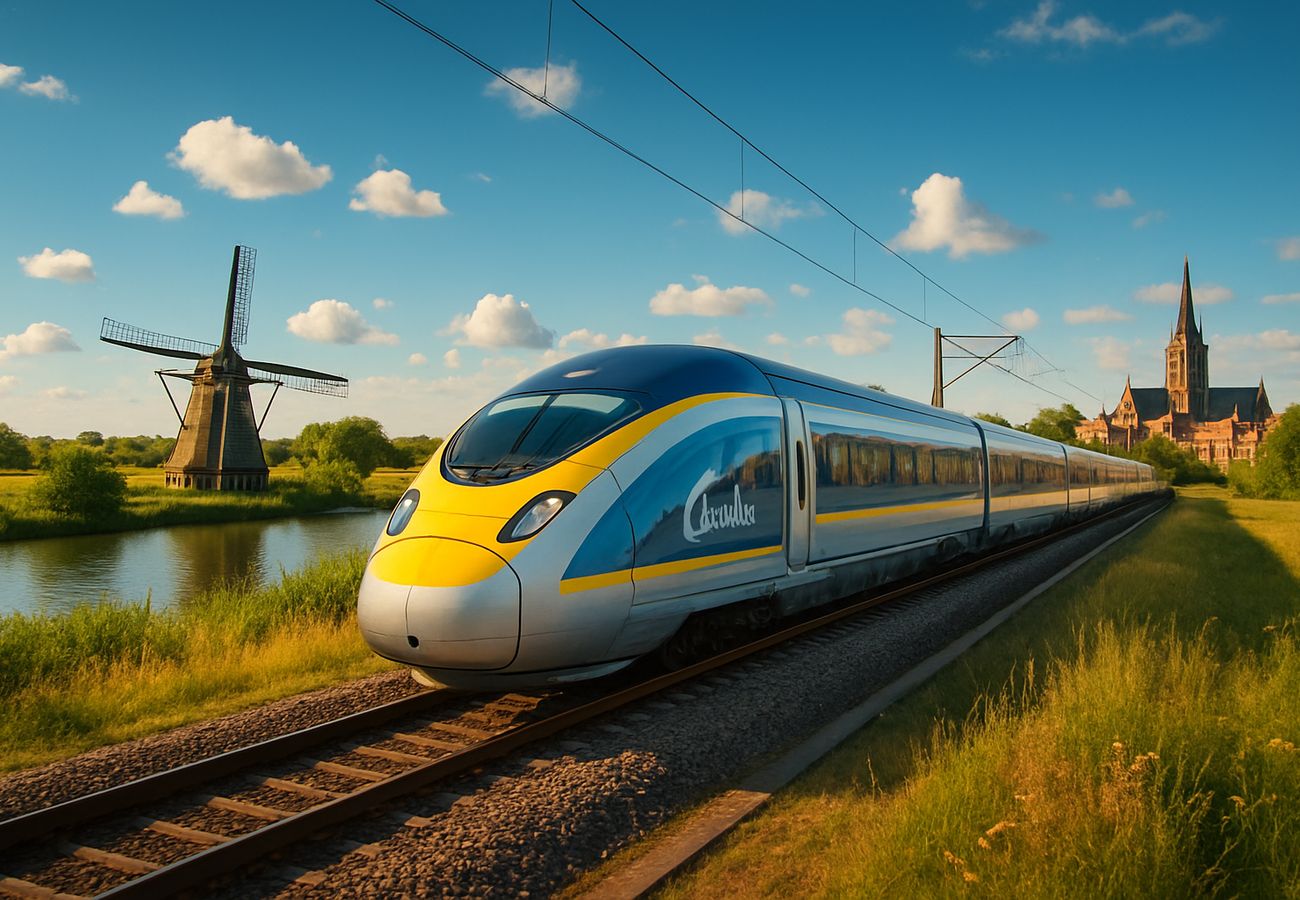
Image generated by AI
Rail Travel is Reclaiming Europe—and Eurostar is Leading the Charge
Something seismic is happening on European rails. Eurostar, the high-speed rail service linking the United Kingdom with mainland Europe, just reported numbers that would make any airline nervous. Passengers are abandoning short-haul flights. They're choosing trains instead. And the numbers don't lie.
London and Amsterdam have become the epicenter of this transportation revolution. What was once overshadowed by budget carriers is now the preferred way to cross borders. Travelers want seamless connections, minimal hassle, and guilt-free journeys. Rail delivers all three.
Reddit: "Finally took Eurostar to Amsterdam. No airport chaos, arrived in the city center, and actually enjoyed getting there. Never flying that route again." — r/travel
The Numbers Behind the Rail Renaissance
Eurostar carried more than 20 million passengers across its entire network last year—a meaningful jump from previous years as the service recovered from pandemic disruptions. But the headline number gets even more striking when you zoom in on the UK-Netherlands corridor: approximately 4 million travelers used Eurostar services on routes to and from the Netherlands in 2025 alone.
The London-to-Amsterdam route is the clear standout. Passenger growth on this corridor surged by almost 18% year-over-year, making it one of the most dynamic corridors in Eurostar's expanding network. This isn't just leisure traffic either. Business travelers, weekend explorers, and young eco-conscious adventurers are all fueling the surge.
Why the shift? Airport stress is one factor. Security queues, weather delays, and the anxiety of missing connections feel increasingly unnecessary when a city-center train station is your departure point. Trains leave from central London and arrive directly in central Amsterdam—no airport transfers, no taxi negotiations, no wasted hours.
Amsterdam's Magnetic Pull on British Travelers
The Netherlands has emerged as the fastest-growing destination for UK travelers seeking European city breaks. Amsterdam Centraal, the modernized central station, has become a genuine attraction itself. Travelers step off the train and are already immersed in the city's energy—canals, museums, historic neighborhoods, and vibrant café culture all within walking distance.
This unbroken travel experience creates something airlines simply cannot replicate. The journey becomes part of the adventure. For many passengers, sustainable travel and reduced carbon footprints are becoming central decision factors. Rail aligns perfectly with this shift toward intentional, experiential exploration.
The result is a deeper integration of travel patterns across the United Kingdom and continental Europe. Tourism boards, transport operators, and hospitality businesses are all recognizing rail as a critical pillar for future demand.
Eurostar Celestia: The Fleet Transformation Coming in 2031
Eurostar isn't sitting idle. To accommodate surging demand, the company is aggressively advancing its plans for Eurostar Celestia—a revolutionary fleet of double-decker high-speed trains engineered by French manufacturer Alstom.
These aren't just incremental upgrades. The Celestia trains represent a wholesale transformation of long-distance rail travel across Europe. Greater capacity means more passengers can travel without sacrificing comfort. The double-decker design alone increases seating significantly while maintaining the spacious, stress-free environment that attracts passengers away from airlines.
The environmental credentials are equally compelling. Eco-friendly design aligns directly with Europe's commitment to greener transportation and decarbonization targets. While the Celestia fleet isn't expected to enter service until 2031, the forward momentum signals unwavering confidence in rail's future dominance.
The Bigger Picture: Routes Beyond the Current Network
Eurostar's ambitions extend well beyond current core destinations. Discussions with European rail partners have pointed to possible future services connecting the United Kingdom directly with major economic and cultural hubs like Frankfurt and Geneva. While these plans remain in development, they reflect a broader trend of rail revitalization sweeping across the continent.
European nations are increasingly aligning on cross-border rail infrastructure and services. For British and European travelers, this could mean seamless rail access to major cities without reliance on short-haul flights. The result could be a profoundly more connected travel landscape—one where trains become the natural choice for continental exploration.
What This Shift Means for How We Travel
The rise of Eurostar and rail expansion across Europe signals a fundamental reshaping of international travel patterns. Comfort, convenience, sustainability, and city-center connectivity are now major decision factors. Trains are competing directly with airlines for short and medium-distance trips.
This feeds into broader narratives around slow travel and experiential exploration. Travelers increasingly value the journey itself—not just the destination. They're reclaiming the pleasure of travel. Rail delivers exactly that: boarding a train in central London, watching landscapes unfold, and stepping onto a platform in the heart of Amsterdam.
For business travelers, this means reduced fatigue and increased productivity. For leisure travelers, it means the adventure begins the moment they leave their home city, not three hours after landing at a distant airport.
The Travel Landscape is Shifting Beneath Our Feet
Eurostar's record growth driven by UK-Netherlands demand paints a vivid picture of rail's rising role in the European travel ecosystem. Millions of passengers are voting with their feet—or rather, their ticket purchases. The demand for seamless, sustainable travel is unmistakable and growing.
Strategic investments like the Eurostar Celestia fleet and potential new routes underscore long-term confidence in international rail. This isn't a temporary trend. This is a fundamental realignment of how Europeans move across their continent. As the travel landscape continues to evolve, rail connections promise to keep the journey itself as inspiring as the destinations.
The future of European travel runs on rails.
Related Travel Guides
Hyatt Summer 2026: 25% Discounts, Bonus Points Global
El Niño 2026: How Extreme Weather Will Reshape Your Travel Plans
Airbus A380 Hidden Features Reveal Engineering's True Genius in 2026
Disclaimer
This article is for informational and educational purposes only. It does not constitute legal, financial, or professional advice. While we strive to provide accurate and up-to-date information, travel policies, regulations, and conditions change rapidly. Always verify information with official sources before making travel decisions. Nomad Lawyer makes no representations about the accuracy, reliability, completeness, or suitability of the information provided. Readers should consult qualified professionals for advice specific to their circumstances. The views expressed in this article are those of the author and do not necessarily reflect the views of Nomad Lawyer.
Preeti Gunjan
Contributor & Community Manager
A passionate traveller and community builder. Preeti helps grow the Nomad Lawyer community, fostering engagement and bringing the reader experience to life.
Learn more about our team →