
Airbus A380 Hidden Features Reveal Engineering's True Genius in 2026
The Airbus A380's hidden features extend far beyond luxury bars and suites. Discover how this superjumbo's invisible spatial architecture separates passenger experience from crew operations and fatigue management in 2026.

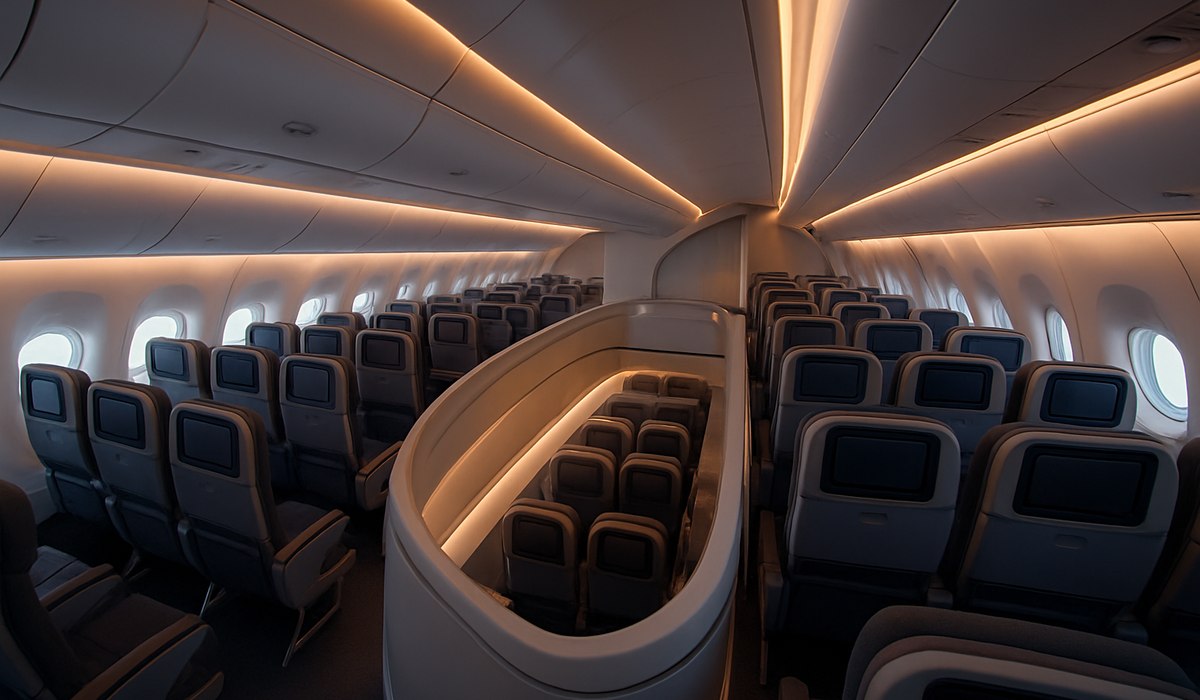
Image generated by AI
The Airbus A380's Real Genius Goes Far Beyond the Visible Cabin
The Airbus A380 captures imagination with its famous onboard bars, exclusive suites, and showers. Yet the superjumbo's true engineering brilliance lies in something far less visible: a meticulously architected separation of passenger experience from crew operations. While travelers admire mood lighting and spacious galleys, the aircraft's real innovation quietly divides internal space into four distinct functional zones. This invisible spatial organization defines how airbus a380 hidden features support both luxury and operational efficiency across every flight.
The A380 wasn't simply engineered to carry more passengers—it was designed to segregate functions with surgical precision. Most commercial aircraft treat the cabin as the primary design driver, with crew areas squeezed around passenger requirements. The A380 inverts this logic entirely. Behind the polished surfaces, premium upholstery, and ambient lighting sits an aircraft architecture that strategically divides real estate. The result: an operational machine that prioritizes crew workflow, fatigue management, and passenger comfort with equal intensity.
The Architecture Behind the Superjumbo
The A380's cabin spans two full decks, creating 80,000 cubic feet of pressurized space. However, the actual passenger cabin represents only a portion of this envelope. The remaining architecture houses crew rest quarters, galley preparation zones, equipment compartments, and structural systems—each occupying precisely designated zones. This airbus a380 hidden layout prevents passenger activity from disrupting crew operations.
The lower deck typically carries cargo, additional fuel systems, and mechanical equipment. The main deck accommodates premium cabins and standard seating. The upper deck hosts first-class suites, the signature bar area, and additional premium seating. What remains invisible: the dedicated crew rest compartments accessible only by independent staircases. These spaces, hidden above the main ceiling in the wings and fuselage, allow pilots and flight attendants to rotate off-duty during ultra-long-haul flights exceeding 18 hours.
The vertical separation proves critical for fatigue management. Rather than crew resting in passenger cabins or cockpit jump seats, the A380 provides isolated, climate-controlled rest zones. This architectural decision directly supports aviation safety protocols outlined by the FAA regarding crew rest requirements on extended operations.
Passenger Experience vs. Operational Design
The airbus a380 hidden features create distinct passenger journey flows that never intersect with crew operations. First-class travelers access the upper deck via private staircase corridors, separate from economy boarding routes. Premium passengers never encounter crew preparing meals, restocking galleys, or accessing maintenance systems.
This segregation enhances perceived exclusivity while enabling efficient crew workflow. Galley systems on the lower deck service both decks through hidden elevator systems—passengers see finished meal service emerge from walls, unaware of the operational machinery beneath. Galley waste, recycling, and resupply channels operate independently from passenger pathways. This prevents the visual intrusion that economy travelers experience on traditional widebodies, where galley corridors double as main aisles.
The upper-deck bar and lounge feature their own service infrastructure. Staff access these areas through crew-only passages, ensuring passengers encounter only finished hospitality products. Beverage stations, ice makers, and storage remain completely concealed. For international carriers operating the A380 on routes between Gulf hubs, European capitals, and Asian metropolitan areas, this separation maintains the premium positioning that justifies the aircraft's operating costs.
Crew Workflow and Fatigue Management
Long-haul airbus a380 hidden design centers on crew welfare and fatigue mitigation. A typical A380 configuration carries approximately 840 passengers with a crew complement of 22 flight attendants plus pilots. On 17+ hour routes, flight crew operate under federally mandated rest periods. Rather than cramping into cockpit jump seats, A380 captains and first officers access proper crew rest compartments containing bunk-style sleeping areas.
These hidden zones occupy space above the main cabin, accessed via hidden staircase systems in the overhead area. The compartments maintain independent climate control, lighting systems, and privacy barriers. Crew rest quarters ensure pilots maintain alertness for critical flight phases including descent and landing after extended rest periods. This architectural feature directly addresses fatigue-related safety concerns documented in aviation accident investigation reports.
Flight attendant rest areas similarly separate from passenger zones. On ultra-long-haul A380 operations, the second flight attendant team rests in dedicated crew compartments rather than rotating into passenger aisles. This maintains service consistency while enabling scheduled crew fatigue breaks. The separation also creates operational flexibility—crew can rest without surveillance from boarding passengers, who wouldn't see visible fatigue or informal crew break activities.
Hidden Efficiency Features That Define Operations
The airbus a380 hidden cabin architecture incorporates engineering solutions invisible to passengers but essential to daily operations. Structural systems occupy designated spaces within wing and fuselage sections. Hydraulic systems, electrical distribution networks, and pressurization equipment operate independently from pressurized cabin areas. This compartmentalization prevents system failures from compromising passenger comfort while ensuring redundancy.
Cargo holds beneath both decks accommodate luggage with efficiency that traditional widebodies struggle to match. Rather than fighting for floor space with passenger cabin infrastructure, cargo systems occupy entirely separate zones accessible only through freight doors. Loading and unloading proceed without affecting passenger boarding or crew movement through cabin areas.
Fire suppression, emergency oxygen, and evacuation systems similarly occupy hidden compartments. The A380's advanced water detection systems, fuel jettison mechanisms, and emergency equipment require substantial real estate. By segregating these systems into structural voids and dedicated equipment zones, the aircraft maximizes usable cabin space while maintaining redundancy and regulatory compliance with international aviation standards.
How Airlines Maximize the A380's Architectural Advantages
Airbus A380 hidden features translate into revenue optimization for operating carriers. Emirates, Singapore Airlines, and Lufthansa configure upper decks with high-yield first-class suites commanding $10,000–$20,000 per ticket on international routes. The separation from economy zones allows these airlines to charge premium positioning while protecting passenger experience consistency.
The crew efficiency gains reduce operating costs over an aircraft's 30-year service life. Proper crew rest capabilities enable airlines to schedule longer routing patterns without exceeding legal rest requirements or incurring crew deadheading expenses. A single A380 can operate Sydney-London routes with proper crew rotation, generating revenue that smaller widebodies cannot sustain without crew positioning costs.
The hidden galley and service infrastructure enables simultaneous service of 840+ passengers with streamlined workflows. Crew members access meal preparation, waste disposal, and resupply systems without navigating passenger aisles. On 15+ hour flights, this efficiency becomes critical to crew productivity and passenger satisfaction metrics.
The A380's Architectural Specifications
| Feature | Specification | Operational Impact |
|---|---|---|
| Total Pressurized Volume | 80,000 cubic feet | Supports 2-deck passenger configuration |
| Crew Rest Compartments | 2 separate zones above main deck | Enables 17+ hour operations without jump seat confinement |
| Galley Systems | Lower deck + elevator service | Serves both decks from single preparation zone |
| Cargo Capacity | 1,700 cubic feet (dedicated zones) | Independent from passenger cabin systems |
| Flight Crew Size | 2 pilots + 1 relief pilot option | Scheduled rest rotation on ultra-long routes |
| Flight Attendant Crew | 22 staff (minimum) | Split rest teams on extended operations |
| Typical Passenger Capacity | 540–840 seats | Varies by cabin configuration and airbus a380 hidden space allocation |
What This Means for Travelers
The airbus a380 hidden features directly enhance your experience on premium long
Disclaimer
This article is for informational and educational purposes only. It does not constitute legal, financial, or professional advice. While we strive to provide accurate and up-to-date information, travel policies, regulations, and conditions change rapidly. Always verify information with official sources before making travel decisions. Nomad Lawyer makes no representations about the accuracy, reliability, completeness, or suitability of the information provided. Readers should consult qualified professionals for advice specific to their circumstances. The views expressed in this article are those of the author and do not necessarily reflect the views of Nomad Lawyer.
Raushan Kumar
Founder & Lead Developer
Full-stack developer with 11+ years of experience and a passionate traveller. Raushan built Nomad Lawyer from the ground up with a vision to create the best travel and law experience on the web.
Learn more about our team →