
England Launches Major Thirty-Three Million Pound Railway Ticket Barrier Upgrade to Modernize Station Access and Reduce Fare Evasion: Latest Update
England's Department for Transport funds a £33 million station ticket barrier upgrade starting in 2027 to combat fare evasion and speed up transits.

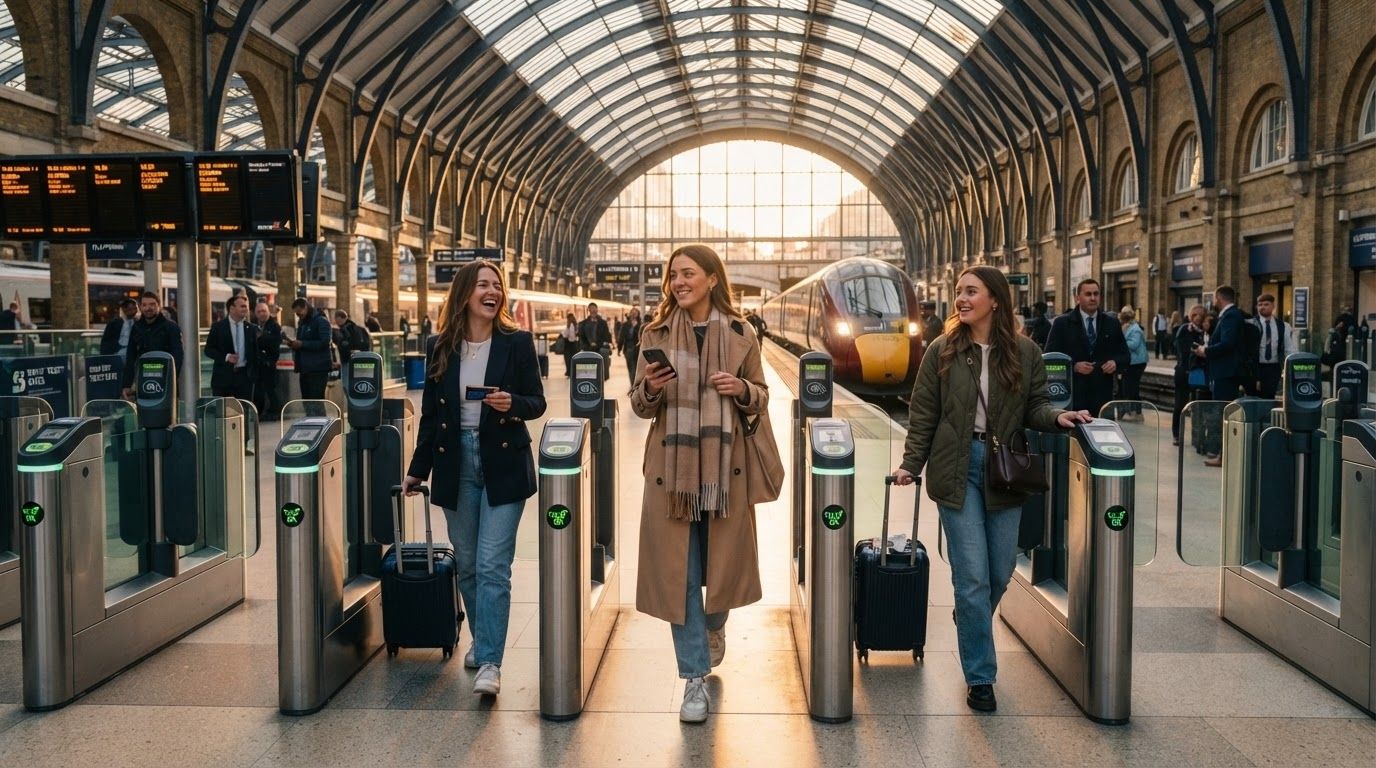
Image generated by AI
Published on July 16, 2026
England’s railway stations are preparing for a comprehensive ticket barrier modernization initiative as the government deploys a £33 million infrastructure funding package. Starting in 2027, the upgrade will introduce advanced gate technology at selected commuter hubs, aiming to reduce ticketless travel, protect network revenue, and speed up passenger movement. Commuters and leisure tourists using UK train travel networks are advised to prepare for layout changes at key stations, utilize digital or contactless tickets, and follow guidance from local operators during the rollout.
Quick Summary
- Major Investment: A £33 million upgrade program backed by the Department for Transport is aimed at modernizing railway access points across England.
- Launch Date: Implementation will begin gradually in 2027 at selected high-priority stations.
- Targeted Hubs: Initial upgrades will focus on busy stations, including Manchester Piccadilly, Liverpool Lime Street, Stafford, Stevenage, and key Thameslink points.
- Anti-Fraud Tech: Upgraded gates will feature taller designs and sensors specifically engineered to prevent tailgating and fare evasion.
- Unified Compatibility: The new barriers remain compatible with traditional paper tickets, mobile boarding passes, and contactless payment methods.
Context and Background: Improving Station Security and Protecting Revenue
The overhaul of England’s station entry systems comes at a time when the rail industry is increasingly shifting toward digital ticketing and automated passenger management. However, fare evasion remains a persistent challenge that drains critical funding needed to maintain and improve passenger services. To protect transport income, the UK Department for Transport (DfT) is funding this program to modernize ticket checking procedures.
At the same time, this investment addresses the bottleneck effect often seen at aging station gates during peak commuting periods. By replacing legacy equipment with faster scanners and modern access controls, transit managers hope to create a more efficient passenger flow. This supports broader plans managed by Network Rail to upgrade physical station infrastructure across the country.
Event and Incident Details: Ticket Barrier Overhaul Specifications
The £33 million barrier upgrade program will target high-volume and high-priority stations across England starting in 2027. Rather than replacing all gates at once, the program will roll out in phases to minimize daily travel disruption.
Key details of the physical and technical upgrades include:
- Initial Station Rollout: The first phase covers prominent regional hubs like Manchester Piccadilly and Liverpool Lime Street, along with commuter stations in Stafford and Stevenage, and several busy Thameslink locations.
- Tailgating Prevention: Upgraded barriers will feature taller gates to prevent passengers from jumping over them, along with sensors to block tailgating (where a passenger attempts to slide through directly behind another traveler).
- Multi-Format Integration: Scanners will read mobile barcodes, contactless payment cards, smartcards, and traditional paper tickets.
- Smart Access Controls: Integrated computer systems will provide operators with better real-time data on passenger flow and gate usage.
Risk and Impact: Managing Station Commutes and Fare Evasion Challenges
Implementing new gate technology across busy transit routes carries several risks and operational impacts that passengers should keep in mind:
- Short-Term Congestion: During the installation and early testing phases in 2027, passengers may experience temporary bottlenecks at station entrances.
- Fare Evasion Losses: Unchecked ticketless travel reduces the funds available for operator investments, indirectly impacting service reliability and ticket pricing.
- Commuter Delays: Faulty ticket scans or slow barrier responses can cause platform crowding, particularly during peak morning and evening travel hours.
- Adjustment Periods: Passengers unfamiliar with taller gate designs or digital scanners may require additional assistance from station staff.
What Authorities Are Saying: Encouraging a Fairer Transport System
Government and transit authorities have emphasized that the upgrade is designed to protect paying passengers and secure funding for future rail services.
The Department for Transport stated that the new systems will help create a fairer environment for passengers who pay for their tickets, while ensuring that railway operators can protect their revenue.
Rail planners also note that the data collected by modern gate systems will help stations manage crowd flows better during holiday periods and major sporting events, improving overall safety and passenger security.
Practical Traveler Advice: Navigating Modernized Railway Stations
To ensure a smooth transition through the upgraded ticket barriers, passengers using English railway stations should consider the following practical advice:
- Have Tickets Ready: Whether using a paper ticket or a mobile barcode, have your validation method ready before entering the queue to keep the line moving.
- Increase Screen Brightness: If validating a digital ticket on a mobile phone, increase your screen's brightness to help the gate's scanners read the barcode quickly.
- Allow for Buffer Time: During the early implementation stages in 2027, arrive at upgraded stations a few minutes earlier to familiarize yourself with the new layouts.
- Follow Operator Updates: Keep track of station announcements and check details on National Rail Enquiries for any planned gate closures.
- Seek Assistance from Gate Staff: If your ticket fails to scan, step aside and locate a station operator or customer assistant to resolve the issue.
Broader Context: The Digital Shift in British Train Travel
The ticket barrier upgrade represents a key part of the wider digitization of the UK's public transport network. In recent years, traditional paper tickets have increasingly been replaced by contactless payments, mobile apps, and smart cards.
These modern barriers provide the physical infrastructure needed to support this digital shift. By reducing the reliance on legacy paper ticket slots and focusing on high-speed digital readers, the rail network is preparing for a future where ticketing is entirely digital and contactless.
What to Expect Next: Gradual Rollout and System Expansion
Following the initial installation phase in 2027 at locations like Manchester Piccadilly and Liverpool Lime Street, transport authorities plan to evaluate the system's performance. Based on these assessments, the program may expand to other priority stations across England, helping build a more secure, modern, and reliable rail network.
Conclusion
The £33 million ticket barrier upgrade program is a significant step toward modernizing England's railway stations. By introducing taller, anti-tailgating gates and upgrading scanner technology, the project aims to reduce fare evasion and improve station flow. Passengers who stay informed, prepare their tickets ahead of time, and adapt to the new setups will enjoy a smoother travel experience as the upgrades roll out.
FAQ: England Railway Ticket Barrier Upgrades
When will the new ticket barriers be installed?
The installation of the upgraded ticket barriers is scheduled to begin in 2027, starting at selected high-priority stations.
Which stations are included in the initial upgrade plans?
Initial upgrades will focus on Manchester Piccadilly, Liverpool Lime Street, Stafford, Stevenage, and selected Thameslink locations.
Will I need to buy a different type of ticket?
No. The new barriers are fully compatible with existing ticket types, including mobile barcodes, contactless payments, and traditional paper tickets.
How do the new barriers prevent fare evasion?
The upgraded gates feature taller designs to prevent jumping and are equipped with advanced sensors that detect and block tailgating.
Will the upgrades cause travel delays?
While there may be minor adjustments during the installation phases in 2027, the long-term goal is to speed up passenger movement and reduce station congestion.
Related Travel Guides
The 10 Best Digital Train Ticketing Apps in the UK, According to Reddit
SEO & Google News Metadata (Suggestions):
Disclaimer
This article is for informational and educational purposes only. It does not constitute legal, financial, or professional advice. While we strive to provide accurate and up-to-date information, travel policies, regulations, and conditions change rapidly. Always verify information with official sources before making travel decisions. Nomad Lawyer makes no representations about the accuracy, reliability, completeness, or suitability of the information provided. Readers should consult qualified professionals for advice specific to their circumstances. The views expressed in this article are those of the author and do not necessarily reflect the views of Nomad Lawyer.
Kunal K Choudhary
Co-Founder & Contributor
A passionate traveller and tech enthusiast. Kunal contributes to the vision and growth of Nomad Lawyer, bringing fresh perspectives and driving the community forward.
Learn more about our team →