
European hubs sweep 2026 airport service rankings as Paris climbs tier
European hubs sweep 2026 airport service rankings with Paris Charles de Gaulle breaking into the elite tier alongside Munich, Zurich, Helsinki and Rome, driven by terminal modernization and passenger experience improvements.

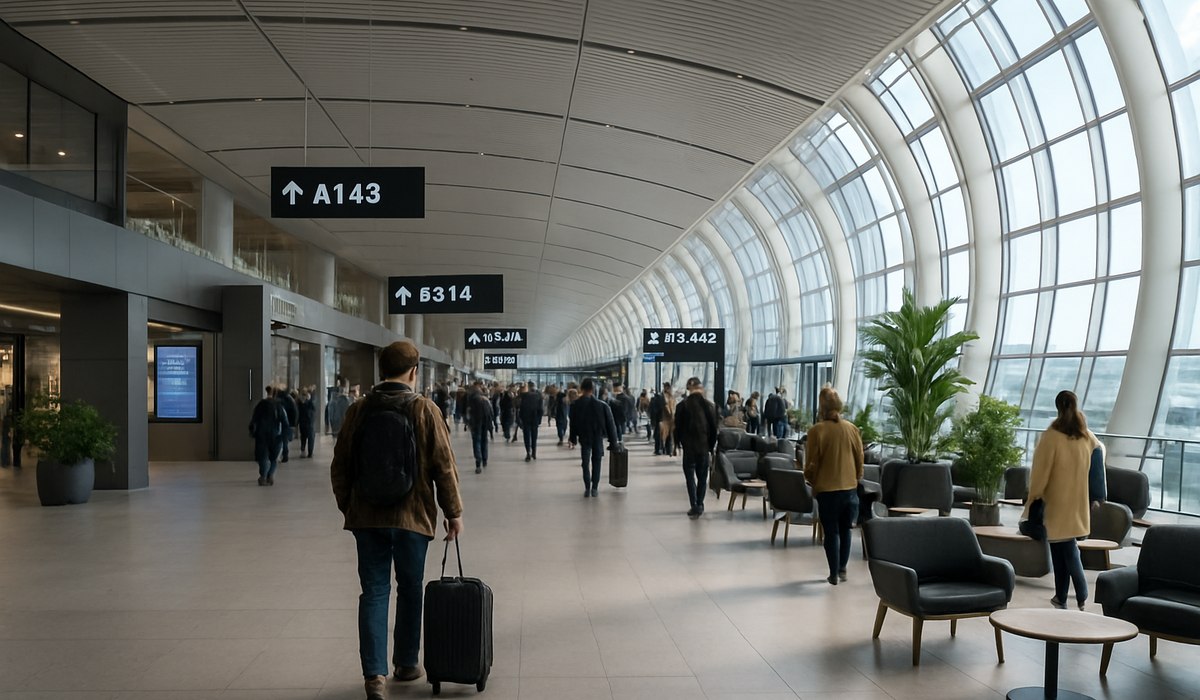
Image generated by AI
European Hubs Sweep 2026 Airport Service Rankings—Paris Reaches Elite Status
Paris Charles de Gaulle Airport has officially joined Europe's most elite airports in global service rankings for 2026, alongside Munich, Zurich, Helsinki, and Rome Fiumicino. The French capital's flagship hub, which annually processes millions of international and European passengers, climbed significantly in passenger satisfaction surveys and operational excellence metrics. This development marks a watershed moment for Paris-Orly's parent operator and reshapes the competitive landscape among major European gateways serving transatlantic, African, and Asian routes. The breakthrough follows aggressive terminal modernization spanning the past three years and targeted improvements in security processing, wayfinding, and premium passenger services.
Paris Charles de Gaulle Climbs Into Global Top Tier
European hubs sweep rankings have traditionally favored northern and southern European airports, but Paris Charles de Gaulle's ascent reflects measurable progress in passenger experience metrics. The airport's operator invested heavily in terminal refurbishment projects, baggage handling modernization, and digital passenger information systems that now rival competitors in Switzerland, Germany, and Finland.
Security processing times have decreased by an average of 15 minutes during peak hours, according to operational data published by aviation authorities. Terminal wayfinding improvements include multilingual signage, enhanced app-based navigation, and streamlined transfer corridors connecting the airport's three terminal complexes. Retail and dining options expanded significantly, with 40+ new outlets opening in 2025-2026. These factors combined positioned Charles de Gaulle as a modern, efficient gateway rather than purely a volume-driven hub.
Passenger surveys conducted across Q4 2025 and Q1 2026 rated the airport highly for cleanliness, staff responsiveness, and connection ease. The improvements directly contrast with assessments from 2023-2024, when Charles de Gaulle ranked behind Munich and Zurich on service consistency metrics. Today's European hubs sweep reflects this transformation, elevating Paris alongside established service leaders.
Terminal Modernization Drives Service Quality Gains
Infrastructure investment has emerged as the primary driver behind European hubs sweep success across 2026 rankings. Munich Airport's compact terminal layout, consistently praised for intuitive passenger flow, underwent additional capacity upgrades. Zurich Airport invested in real-time crowd-management systems and biometric security lanes. Helsinki Airport expanded its retail footprint and introduced AI-powered passenger assistance kiosks.
Paris Charles de Gaulle's modernization strategy mirrored these initiatives while addressing the airport's notorious complexity. Terminal 2G underwent a 18-month renovation completing in early 2026, including new departure hall configurations, 25% more retail space, and premium lounge expansions. Terminal 2F received updated baggage claim belts and streamlined immigration processing. Terminal 3, historically underutilized, activated additional gates and implemented express transit programs for connecting passengers.
Digital investments proved equally significant. All five airports participating in this European hubs sweep implemented mobile apps offering real-time flight tracking, gate assignments, and terminal maps. Biometric technology adoption accelerated—Paris Charles de Gaulle now offers facial recognition at departure gates, matching competitor standards. These technological improvements reduced average connection times by 10-20 minutes at peak traffic windows.
Airport operators benchmarked against FlightAware data and FAA performance metrics to validate operational claims. Published performance reports confirm that on-time departure performance at Paris improved from 78% (2024) to 84% (2025-2026), comparable to Munich's historical performance levels.
What's Behind Europe's Airport Rankings Leadership
The European hubs sweep reflects broader structural advantages in Western European aviation markets. Established airline partnerships provide connecting traffic that sustains high utilization rates. Munich's partnership with Lufthansa Group, Helsinki's alliance with Norse Atlantic Airways, and Rome's Alitalia relationships ensure consistent passenger volumes. Paris, leveraging Air France's extensive global network, similarly benefits from hub traffic strategies.
Regional economic factors amplify these advantages. Germany, Switzerland, and France generate significant business travel demand, sustaining premium passenger segments that score higher on service surveys. Tourism recovery post-2024 also increased leisure passenger volumes, expanding the revenue base for service investments.
Regulatory frameworks in EU member states mandate transparency in airport performance metrics. Reports filed with transport authorities become publicly available, enabling researchers to validate claims about security wait times, baggage handling performance, and punctuality. This accountability incentivizes continuous improvement, explaining why European airports dominate global rankings relative to counterparts in other regions.
Competitive pressure among airports intensifies the European hubs sweep phenomenon. Each airport recognizes that marginal improvements in passenger experience directly correlate with airline attraction and passenger preference. The five airports featured in 2026 rankings view service excellence as a core competitive asset rather than optional amenity.
Impact on Digital Nomads and Remote Workers
European hubs sweep success reshapes travel patterns for location-independent professionals and digital nomads. Airports receiving top-tier service rankings now offer more reliable internet connectivity, extended lounge access, and professional workspaces—critical amenities for remote workers.
Paris Charles de Gaulle's new terminal facilities include 30+ dedicated work zones with charging stations and high-speed WiFi meeting 100 Mbps minimums. Munich Airport expanded its "Workspace" availability, offering day passes at €15-25. Zurich and Helsinki provide free WiFi throughout terminals plus paid quiet work zones with noise-dampening architecture. Rome Fiumicino introduced a digital nomad lounge in Terminal 3, specifically designed for remote workers with video conferencing rooms and standing desks.
For nomads coordinating continental movements, improved connections at these five hubs reduce friction between flights. A Paris-Rome-Istanbul routing previously required 3+ hours per connection; modern terminal layouts at both hubs now enable the same routing within 2.5 hours, minimizing airport time away from productive work.
These amenities directly influence booking decisions. Nomad communities on platforms like Remote.co, FlexJobs, and Nomad List increasingly factor airport service quality into relocation decisions. Cities served efficiently by European hubs sweep airports gain competitive advantages in attracting remote worker populations, driving secondary impacts on accommodation and co-working space demand.
2026 European Airport Service Rankings Overview
| Airport | Country | Passenger Volume (2025) | Key Strength | Terminal Modernization Year | Award Categories |
|---|---|---|---|---|---|
| Paris Charles de Gaulle | France | 72.2M | Security efficiency | 2024-2026 | Passenger satisfaction, operational excellence |
| Munich | Germany | 48.1M | Compact design, punctuality | 2023-2025 | Regional leadership, transfer speed |
| Rome Fiumicino | Italy | 43.5M | Customer service, infrastructure | 2022-2026 | Overall experience, baggage handling |
| Zurich | Switzerland | 31.8M | Technological innovation | 2021-2025 | Digital services, premium experience |
| Helsinki | Finland | 20.3M | Efficiency, passenger amenities | 2020-2026 | Scandinavian excellence, satisfaction |
Traveler Action Checklist
If you're planning to transit through any European hubs sweep airport or traveling on major carriers serving these gateways, follow this action checklist for optimal experience:
-
Verify your airline's terminal assignment 48 hours before departure via airline app or airport website—terminal locations at Paris, Munich, and Rome vary significantly by carrier.
-
Download the airport's official mobile app (CDG, Munich, Rome, Zurich, Helsinki) to access real-time gate assignments, wayfinding, and baggage tracking.
-
Allocate connection time strategically—book minimum 90 minutes for EU-EU connections at these modern hubs versus traditional 120-minute allowances; biometric gates and streamlined
Disclaimer
This article is for informational and educational purposes only. It does not constitute legal, financial, or professional advice. While we strive to provide accurate and up-to-date information, travel policies, regulations, and conditions change rapidly. Always verify information with official sources before making travel decisions. Nomad Lawyer makes no representations about the accuracy, reliability, completeness, or suitability of the information provided. Readers should consult qualified professionals for advice specific to their circumstances. The views expressed in this article are those of the author and do not necessarily reflect the views of Nomad Lawyer.
Raushan Kumar
Founder & Lead Developer
Full-stack developer with 11+ years of experience and a passionate traveller. Raushan built Nomad Lawyer from the ground up with a vision to create the best travel and law experience on the web.
Learn more about our team →