
Europe Travel Shift: Slovenia and Serbia Outperform Traditional Hotspots in H1 2026

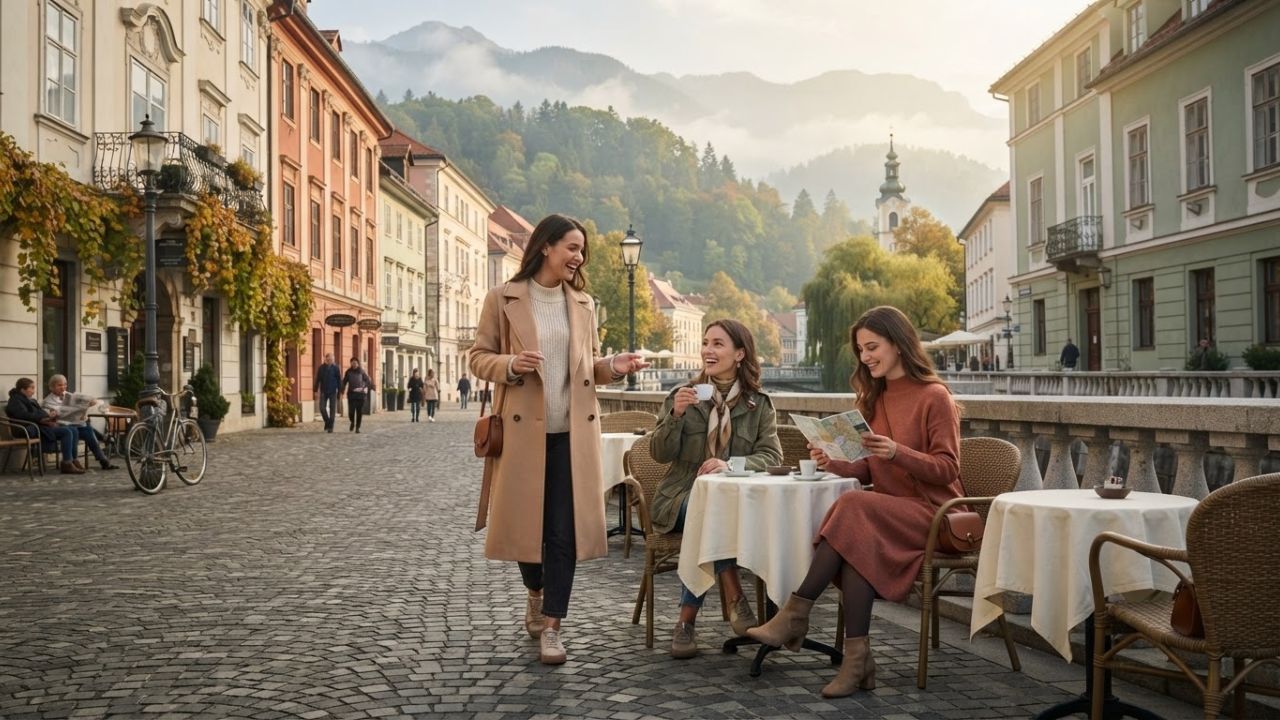
Central and Southeastern European destinations are leading a major shift in European travel patterns, as international tourists seek eco-certified nature retreats, affordable city breaks, and uncrowded cultural hubs. Data from the first half of 2026 shows overall European Union overnight stays grew by 1.7% year-over-year, while performance in Slovenia and Serbia significantly outpaced the continental baseline—supported by a €45 million green infrastructure investment in Slovenia, a 14.5% surge in direct regional flight capacity, and 30% to 40% lower daily lodging tariffs compared to traditional Mediterranean coastal hotspots.
[LJUBLJANA, Slovenia & BELGRADE, Serbia] — First-half industry figures for 2026 confirm that European travel demand is undergoing a geographic redistribution. While total overnight accommodation volume across the European Union expanded by a steady 1.7% year-over-year, cross-border international arrivals served as the primary growth engine—expanding at nearly three times the rate of domestic stays.
However, growth was unevenly distributed across the continent. While mature coastal destinations like Croatia recorded modest 0.5% overnight stay gains due to peak-season capacity constraints and elevated room rates, emerging hubs in Central and Southeastern Europe—led by Slovenia and Serbia—experienced double-digit performance gains across accommodation yields, airline seat capacity, extended-stay digital nomad bookings, and shoulder-season arrivals.
| Macroeconomic & Travel Metric | Performance Benchmark (H1 2026 Data) |
|---|---|
| Total EU Overnight Stay Growth | +1.7% Year-on-Year |
| International Arrival Growth Rate | Nearly 3x Faster than Domestic Stays |
| Slovenia & Serbia Growth Rate | Significantly Surpassed +1.7% EU Baseline |
| Croatia Overnight Stay Growth | +0.5% Year-on-Year (Capacity Constraints) |
| EU Average Daily Room Rate (ADR) | €135 per night (+6.8% YoY Increase) |
| Slovenia & Serbia RevPAR Growth | +11.2% Growth in First Half 2026 |
| Inland Balkan Lodging Discount | 30% to 40% Lower than Coastal Mediterranean |
| Regional Seat Capacity Expansion | +14.5% (+1.2 Million New Seats in H1) |
| Slovenia Green Infrastructure Fund | >€45 Million Allocated for Eco-Tourism |
| Extended-Stay Nomad Booking Surge | +18.3% Increase (14+ Night Bookings) |
| Tourism Contribution to GDP (Croatia) | 17.5% of Total Gross Domestic Product |
| Tourism Contribution to GDP (Slovenia) | 6.2% of Total Gross Domestic Product |
Regional Performance: Slovenia and Serbia Lead, Croatia Reaches Capacity Limits
Regional analytical breakdowns show a clear contrast in performance across Central and Southeastern Europe:
- Slovenia: Outperformed continental averages by leveraging sustainable green tourism initiatives, boutique luxury eco-lodges, and expanded alpine flight connections. Over 76% of European travelers now prioritize eco-certified accommodations, supporting Slovenia’s strategy.
- Serbia: Achieved strong growth driven by booming urban city-break traffic in Belgrade, cultural events, and a 12.1% surge in corporate MICE bookings, with average business travel spending reaching €631 per trip (representing 13% of regional tourism spend).
- Croatia: Recorded a modest 0.5% rise in overnight stays. While maintaining high overall visitor numbers along the Adriatic coast, high accommodation costs and summer congestion prompted price-sensitive long-haul travelers to combine brief coastal stays in Croatia with longer journeys into neighboring Bosnia and Herzegovina.
| Country / Territory | H1 Overnight Stay Trend | Key Demand Drivers |
|---|---|---|
| Slovenia | Strong Double-Digit Growth | Green tourism & eco-stays |
| Serbia | Strong Double-Digit Growth | Belgrade city breaks & MICE |
| Croatia | Modest +0.5% Growth | High ADR & capacity limits |
| Bosnia and Herzegovina | Steady Cross-Border Growth | Affordable nature tours |
| Country | H1 Performance Metric | Strategic Driver | Market Context |
|---|---|---|---|
| Slovenia | Significant Outperformance | >€45M green infrastructure investment | 76% of EU travelers favor eco-certified stays |
| Serbia | Significant Outperformance | +14.5% air seat capacity & +12.1% MICE | Belgrade city breaks & business conventions |
| Croatia | Modest +0.5% YoY Growth | Mature coastal hubs reaching capacity | 17.5% GDP reliance; high peak-season tariffs |
| Bosnia & Herzegovina | Steady Positive Growth | Cross-border tourism from Croatia | High value-for-money nature & cultural trips |
Green Infrastructure Investments: Slovenia Allocates €45 Million
Sustainability has shifted from a niche marketing choice into a core requirement across European travel. To capture eco-conscious travelers, destination management authorities in Slovenia deployed over €45 million toward certified green hotel developments, eco-labeling frameworks (such as the EU Ecolabel and Green Key), and zero-emission public transit networks.
This capital injection has enabled Slovenian hoteliers and eco-resort operators to modernize properties, lower carbon emissions, and meet strict environmental certification standards—giving the destination a competitive advantage over uncertified traditional hubs.
| Eco-Investment Parameter | Value / Policy Benchmark |
|---|---|
| Total Green Capital Allocation | Over €45 Million Invested in H1 |
| Target Certification Frameworks | EU Ecolabel & Green Key Accreditations |
| Key Transit Infrastructure Focus | Zero-Emission Regional Public Transport |
| Consumer Demand Driver | 76% of European Travelers Prefer Eco-Stays |
Accommodation Pricing, ADR Escalation, and RevPAR Growth
Rising operational expenses and steady consumer demand drove lodging costs upward across the European Union during the first half of the year:
- EU-Wide Average Daily Rate (ADR): Escalated by 6.8% YoY to reach €135 per night.
- Slovenia & Serbia RevPAR: Strong pricing power and elevated occupancy levels drove Revenue Per Available Room (RevPAR) up by 11.2% over the same six-month window.
- Inland Price Advantage: Daily accommodation tariffs across inland urban hubs in Southeastern Europe remain 30% to 40% lower than crowded Mediterranean coastal resorts, allowing travelers to extend their trip durations while keeping overall spending manageable.
- Average Regional Visitor Spending: International visitors spent an average of €104 per night across accommodation, dining, entertainment, and local transit.
| Market Category | Metric / Pricing Level | Growth Indicator |
|---|---|---|
| EU Average Daily Rate | €135 per night | +6.8% Year-on-Year |
| Slovenia & Serbia RevPAR | High Occupancy Yield | +11.2% Growth in H1 |
| Inland Balkan Accommodation | 30% to 40% Cheaper vs Coast | High value-for-money |
| Average Daily Visitor Spend | €104 per night | Lodging, food, & transit |
Aviation Seat Expansion: Direct Flights to Belgrade and Ljubljana Surge 14.5%
Air transport accessibility has served as a primary catalyst for tourism acceleration across Southeastern Europe. During the first half of the year, scheduled airline seat capacity into major regional gateways—specifically Belgrade (BEG) in Serbia and Ljubljana (LJU) in Slovenia—expanded by 14.5%, adding over 1.2 million new seats to regional flight networks.
Both low-cost carriers (LCCs) and national airlines established new point-to-point connections linking secondary European cities directly to the Balkans. These direct flight paths reduce reliance on traditional transit hubs like Frankfurt or Paris, lowering airfares and encouraging multi-country itineraries that pair city stays in Belgrade with alpine retreats in Slovenia.
| Aviation Metric | Recorded Output Benchmark |
|---|---|
| Regional Seat Capacity Growth | +14.5% Increase into Belgrade & Ljubljana |
| Total New Seats Added | Over 1.2 Million Additional Seats in H1 |
| Strategic Route Development | Direct point-to-point LCC connections |
| Operational Benefit | Bypasses congested hubs (Frankfurt/Paris) |
| Regional Airport Gateway | H1 Seat Capacity Growth | Added Seat Volume | Strategic Impact |
|---|---|---|---|
| Belgrade Nikola Tesla (BEG) | High Capacity Growth | Integrated into +1.2M total | Boosts city-break tourism & MICE travel |
| Ljubljana Jože Pučnik (LJU) | High Capacity Growth | Integrated into +1.2M total | Expands direct access to alpine eco-resorts |
Digital Nomad Growth and Extended-Stay Bookings
The expansion of remote work has created a growing segment of location-independent professionals spending extended periods in Southeastern Europe:
- Extended-Stay Bookings: Bookings lasting 14 nights or more surged by 18.3% across Central and Southeastern Europe.
- Digital Nomad Spending: Remote workers spent an average of €1,053 per trip, benefiting local grocery stores, cafes, public transit, and service providers.
- Hospitality Adaptations: Hotel operators and short-term rental managers are retrofitting rooms with fiber-optic internet, dedicated workstations, and long-term rental rates to sustain occupancy during traditional off-peak months.
| Performance Category | Benchmark / Expenditure Metric |
|---|---|
| Extended-Stay Booking Surge (14+ Nights) | +18.3% Growth across Central/SE Europe |
| Average Digital Nomad Trip Spend | €1,053 per Trip Expenditure |
| Target Facilities | High-Speed Fiber Internet & Workstations |
Shift Toward Alternative Accommodations and Shoulder-Season Travel
1. Alternative Accommodation Growth
While conventional hotels retained the largest overall EU market share at 62.8% of total overnight stays, alternative accommodations grew at a faster pace. Short-term apartment rentals, boutique holiday dwellings, and eco-campsites expanded by 9.4%, outperforming standard hotel growth rates as travelers sought flexible, home-like lodging options.
| Accommodation Type | Total EU Market Share | H1 Growth Rate |
|---|---|---|
| Conventional Hotels | 62.8% of Total Overnights | Baseline growth |
| Alternative Lodging | 37.2% Combined Share | +9.4% Growth Momentum |
| (Rentals, Eco-Campsites) |
| Accommodation Category | Total EU Market Share | H1 Growth Momentum | Consumer Appeal |
|---|---|---|---|
| Conventional Hotels | 62.8% Share | Steady baseline growth | Standard service & city-center locations |
| Alternative Lodging (Rentals/Campsites) | 37.2% Combined Share | +9.4% Growth Surge | Flexible layouts, kitchenettes, & eco-settings |
2. Climate-Driven Shoulder-Season Redistribution
Summer heatwaves and mid-summer crowding in Mediterranean coastal areas are prompting travelers to adjust their travel schedules. Shoulder-season bookings during April–May and September–October expanded by 5.2%, whereas growth during peak summer months (July–August) slowed to 0.8%. This trend extends the profitable operating season for travel providers in Slovenia, Serbia, and Bosnia and Herzegovina while easing strain on local infrastructure.
| Travel Season | H1 / H2 Booking Growth Rate |
|---|---|
| Shoulder Season (Apr-May / Sep-Oct) | +5.2% Booking Expansion |
| Peak Summer Season (Jul-Aug) | +0.8% Growth (Slowdown due to heat & crowds) |
Why This Matters (Information Gain & Experience)
The shift toward Slovenia, Serbia, and Bosnia and Herzegovina highlights how international travelers are adapting to high accommodation costs and crowded summer conditions in traditional European hotspots. For travelers, these destinations offer eco-certified lodgings, rich cultural experiences, and affordable daily tariffs (30% to 40% below coastal rates).
For destination managers and hotel operators, this trend demonstrates that investing in sustainability (€45M green fund in Slovenia), expanding direct regional air routes (+14.5% seat capacity), and catering to extended-stay remote workers (+18.3% bookings) can build a balanced, year-round tourism economy.
Frequently Asked Questions
Why are Slovenia and Serbia outperforming traditional European destinations in 2026?
Slovenia and Serbia are attracting travelers seeking eco-certified green stays, affordable city breaks, and uncrowded nature retreats. Supported by a 14.5% surge in direct airline seat capacity and daily accommodation rates 30% to 40% lower than coastal hotspots, both nations outpaced the 1.7% overall EU growth baseline.
How much did total European Union overnight stays grow in H1 2026?
Overnight accommodation figures across the European Union expanded by 1.7% year-over-year during the first six months of 2026, driven primarily by cross-border international arrivals.
How is Slovenia investing in sustainable green tourism?
Slovenia allocated over €45 million toward eco-certified hotels (EU Ecolabel and Green Key frameworks), green building upgrades, and zero-emission regional public transit networks.
What are the average daily accommodation rates in Europe compared to the Balkans?
The average European Union Daily Room Rate (ADR) rose 6.8% YoY to €135 per night. In contrast, daily lodging costs across inland Southeastern Europe remain 30% to 40% lower, offering high value for long-haul visitors.
How fast is extended-stay digital nomad travel growing in the region?
Extended-stay bookings lasting 14 nights or more surged by 18.3% across Central and Southeastern Europe, with remote workers spending an average of €1,053 per trip.
Related Travel Guides
Disclaimer
This article is for informational and educational purposes only. It does not constitute legal, financial, or professional advice. While we strive to provide accurate and up-to-date information, travel policies, regulations, and conditions change rapidly. Always verify information with official sources before making travel decisions. Nomad Lawyer makes no representations about the accuracy, reliability, completeness, or suitability of the information provided. Readers should consult qualified professionals for advice specific to their circumstances. The views expressed in this article are those of the author and do not necessarily reflect the views of Nomad Lawyer.
Kunal K Choudhary
Co-Founder & Contributor
A passionate traveller and tech enthusiast. Kunal contributes to the vision and growth of Nomad Lawyer, bringing fresh perspectives and driving the community forward.
Learn more about our team →