
Italy Ground Travel Tech Upgrade 2026: How New Digital Systems Impact Tourist Rights and Rentals
Italy is transforming its ground transportation infrastructure with a projected market surge to $5.0 billion by 2035, introducing contactless rentals and EV fleets that redefine passenger rights and mobility.

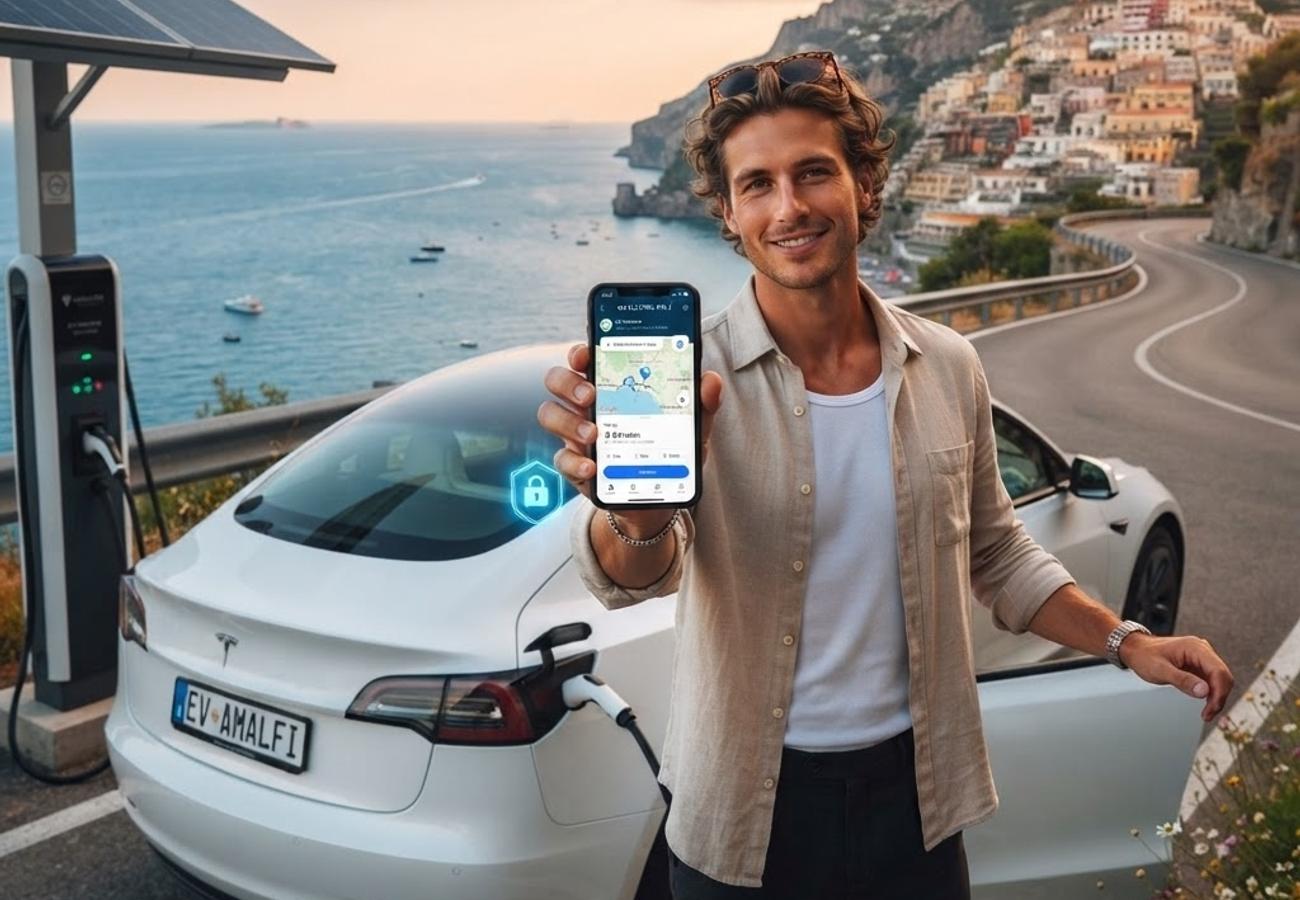
Image generated by AI
Imagine arriving at Rome Fiumicino Airport, bypassing the chaotic rental counters entirely, and unlocking a Tesla via a smartphone app to drive straight into the heart of the city. This is the new reality for travelers in 2026 as Italy aggressively digitizes its ground transportation networks to accommodate a massive surge in global tourism.
The Digital Shift in Italian Ground Transport
Italy is currently undergoing a systemic overhaul of its vehicular hire and ground transport infrastructure. The scale of this transformation is reflected in the economic projections: the domestic vehicle leasing sector is expected to grow from $2.66 billion in 2025 to $5.0 billion by 2035. This expansion is not merely about adding more cars to the road but about a structural pivot toward "Mobility as a Service" (MaaS).
The shift is driven by a post-pandemic rebound in international arrivals and a fundamental change in how commuters and tourists perceive vehicle ownership. By 2035, the ground transportation system is projected to double in capacity compared to 2015 levels. This growth is being fueled by the integration of cloud-based booking engines, real-time fleet analytics, and a move toward contactless pickup protocols. For the traveler, this means the removal of traditional friction points—such as language barriers at rental desks and manual contract signing—replaced by remote identity verification and digital keys.
Impacted Regions and Infrastructure Focus
The technological rollout is most concentrated in high-traffic tourist hubs and scenic corridors where the tension between historic preservation and modern mobility is highest.
| Region/City | Primary Tech Focus | Impact on Traveler |
|---|---|---|
| Rome, Milan, Florence | Low-Emission Zones (LEZ) | Mandatory transition to hybrid/EVs for city center access |
| Tuscany & Sicily | Regional Charging Networks | Elimination of "range anxiety" for long-distance rural exploration |
| Major Airport Hubs | Contactless Logistics | Zero-queue transitions from arrival gate to vehicle |
| National Highways | Integrated Telemetry | Real-time traffic and battery updates via mobile ecosystems |
The implementation of stringent low-emission urban zones in cities like Florence and Milan has forced rental providers to rapidly electrify their fleets. This ensures that international visitors can enter restricted historic centers without facing heavy fines, provided they utilize the new wave of zero-emission rental options.
Your Rights as a Passenger and Renter
As Italy moves toward a fully digital, subscription-based rental model, the legal framework governing these transactions evolves. When using automated, app-based rental services, passengers must be aware of their protections under European consumer law.
Under the European Commission's consumer protection guidelines, travelers are entitled to transparent pricing. The "dynamic pricing" mentioned in current trends must not lead to deceptive pricing practices. If a digital platform quotes a price that is later increased without a clear, pre-agreed contractual basis, the consumer has grounds for a dispute.
Furthermore, the shift to digital contracts means that the "Terms and Conditions" are often buried in an app. However, EU law requires that essential terms—especially regarding insurance excesses, fuel/charge policies, and cancellation penalties—be presented clearly. If a rental company fails to provide a clear digital copy of the contract, the validity of certain penalty clauses may be challenged.
For those utilizing the new flexible subscription models (multi-week or multi-month rentals), it is essential to verify the "right of withdrawal" periods. Under EU distance selling regulations, consumers often have a window to cancel services booked online, though this varies depending on whether the service is for a specific date or a general subscription. Travelers should consult the European Consumer Centres Network (ECC-Net) if they encounter disputes with cross-border rental agencies.
Rebooking Strategy and Mobility Alternatives
With the rise of shared mobility and the decline of traditional ownership, travelers have more levers to pull when a rental fails or a vehicle breaks down.
- The Hybrid Approach: Instead of a single long-term rental, utilize "intermodal" travel. Use the high-speed rail network (Trenitalia or Italo) between major hubs like Rome and Milan, and reserve short-term, app-based EV rentals only for regional exploration in Tuscany or the Amalfi Coast.
- Subscription vs. Daily Rate: For stays exceeding 14 days, shift from daily rentals to the new flexible subscription models. These typically offer lower overheads and more flexible modification options than traditional leases.
- EV Contingency: While the charging network is expanding, always verify the charging infrastructure of your specific destination via FlightRadar24 (for airport arrival timing) and dedicated EV charging maps. If your destination is a remote villa in Sicily, a hybrid may still be a safer legal and logistical bet than a full BEV (Battery Electric Vehicle) to avoid being stranded.
- Refunds for Tech Failures: If a "contactless" pickup fails due to a software glitch, the provider is generally obligated to provide an immediate alternative or a full refund. Document the app error with screenshots to ensure a seamless claim process.
FAQ: Italy Ground Travel Tech 2026
Am I entitled to a refund if the app fails to unlock my rental car? Yes. A failure in the digital delivery of the service constitutes a breach of contract. You are entitled to either an immediate replacement vehicle or a full refund of the booking fee.
Do I need a special permit to drive an EV in Rome or Milan? Generally, no. EVs and hybrids are designed to bypass the restrictions of Low-Emission Zones (ZTL). However, always confirm with the rental provider that the vehicle is registered for the specific zone.
Are digital rental contracts legally binding in Italy? Yes, digital signatures and app-based agreements are legally recognized under EU and Italian law, provided the user was given the opportunity to review the terms before agreeing.
Can I use a subscription rental across different EU countries? Many new flexible models allow cross-border travel, but insurance coverage varies. Always check the "Territorial Limits" section of your digital contract to avoid uninsured driving in neighboring countries.
The open road in Italy is no longer just about the destination, but about the digital seamlessness of the journey.
Related Travel Guides
Disclaimer
This article is for informational and educational purposes only. It does not constitute legal, financial, or professional advice. While we strive to provide accurate and up-to-date information, travel policies, regulations, and conditions change rapidly. Always verify information with official sources before making travel decisions. Nomad Lawyer makes no representations about the accuracy, reliability, completeness, or suitability of the information provided. Readers should consult qualified professionals for advice specific to their circumstances. The views expressed in this article are those of the author and do not necessarily reflect the views of Nomad Lawyer.
Naina Thakur
Contributor & Travel Specialist
Travel enthusiast and legal writer covering visa regulations, responsible tourism, and cultural journeys across global destinations.
Learn more about our team →