
Europe Travel 2026: Top Day Trip Destinations and Transit Hubs Beyond Major Capital Cities
Analysis of the 2026 shift toward short-distance regional travel in Europe, highlighting key day-trip hubs like Český Krumlov, Ronda, and Lake Bled for travelers seeking authentic heritage.

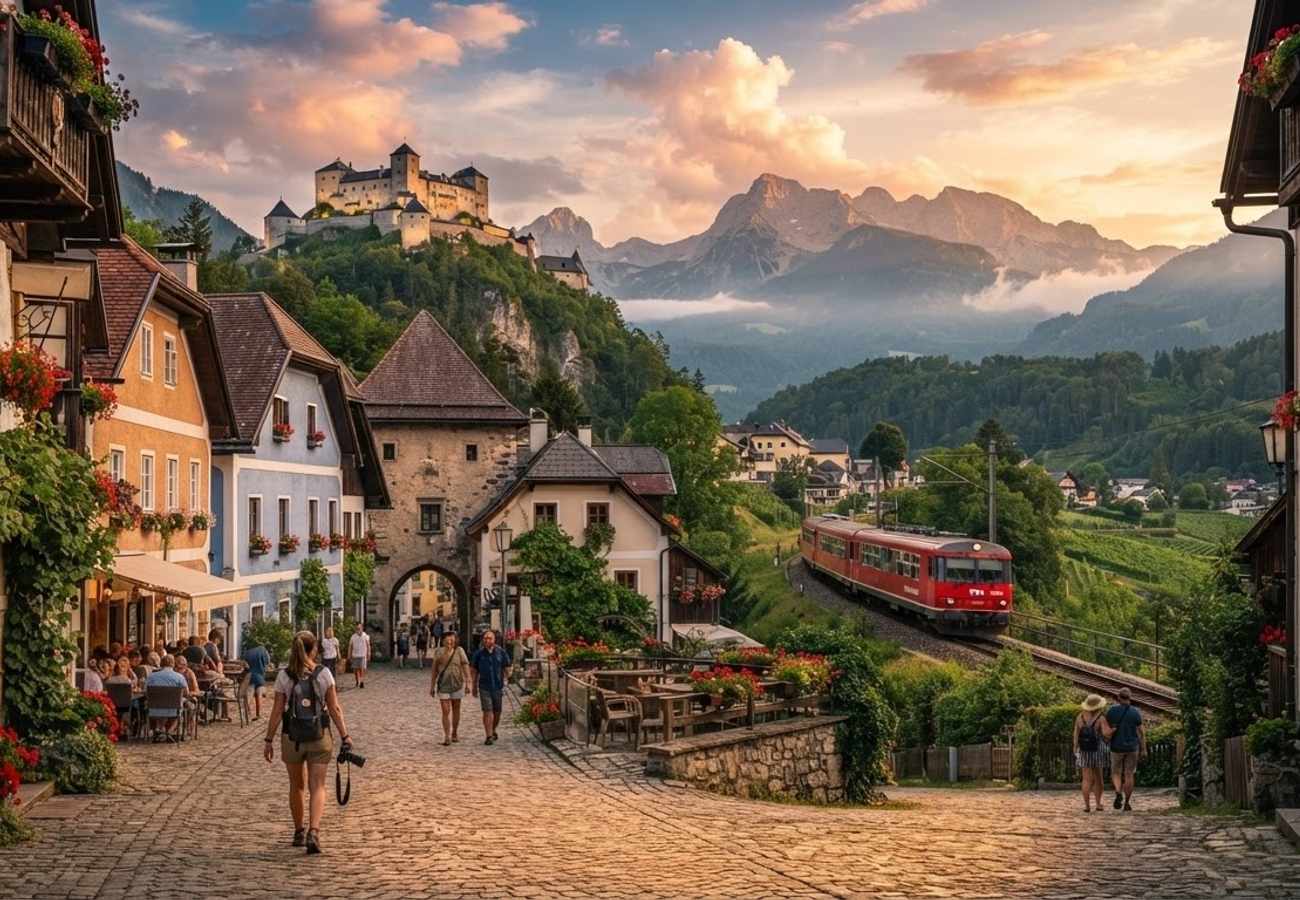
Image generated by AI
European tourism is pivoting away from capital-city saturation toward high-density regional hubs. Analysis indicates a surge in "jump-off" itineraries where major cities serve as transit bases for short-distance, heritage-focused excursions.
The Shift Toward Regionalism in 2026
Travel patterns across the European continent are undergoing a structural transformation. Data shows a declining preference for long, city-heavy vacations in favor of short-distance trips to small towns and villages. This trend is driven by a demand for authentic cultural immersion, nature-based tourism, and a desire to avoid the over-tourism common in primary capitals.
The feasibility of this shift is supported by Europe's integrated transit infrastructure. The combination of high-speed rail and regional bus networks allows travelers to access UNESCO World Heritage sites and medieval architecture within a few hours of major urban centers.
Regional Hubs and Transit Impact Breakdown
The following table outlines the primary transit corridors currently seeing increased volume for 2026 day-trip itineraries:
| Destination | Country | Base City | Approx. Travel Time | Primary Attraction |
|---|---|---|---|---|
| Český Krumlov | Czech Republic | Prague | 2.5 hours | State Castle & Vltava River |
| Ronda | Spain | Málaga / Seville | 1.5–2 hours | El Tajo Gorge & Puente Nuevo |
| Lake Bled | Slovenia | Ljubljana | 1 hour | Alpine Lake & Island Church |
| Giethoorn | Netherlands | Amsterdam | 1.5–2 hours | Canal Village (No Roads) |
| Sintra | Portugal | Lisbon | 40 minutes | Pena National Palace |
| Colmar | France | Strasbourg | 30 minutes | Alsatian Architecture |
| Ghent | Belgium | Brussels | 35 minutes | Medieval Center |
| Hallstatt | Austria | Salzburg | 2 hours | Salt Heritage & Alpine Scenery |
| Toledo | Spain | Madrid | 33 minutes | Multicultural Medieval History |
| Lucca | Italy | Florence | 1 hour | Renaissance Walls |
High-Impact Destination Analysis
Central Europe: Český Krumlov and Lake Bled
In the Czech Republic, Český Krumlov has emerged as a primary cultural satellite to Prague. Accessible via direct bus or rail in 2.5 hours, the town is defined by its Gothic, Renaissance, and Baroque architecture. The State Castle and Chateau remain the central draw, alongside the Five-Petalled Rose Festival.
Similarly, Lake Bled in Slovenia has become a benchmark for nature-based tourism. Located just 1 hour from Ljubljana, the destination leverages its Julian Alps setting. The use of traditional pletna boats and the accessibility of Vintgar Gorge highlight a trend toward sustainable, low-impact excursions.
Southern Europe: Ronda and Sintra
Andalusia’s Ronda is seeing accelerated growth due to its dramatic geography. Located 1.5 hours from Málaga and 2 hours from Seville, the city is anchored by the Puente Nuevo bridge. Our analysis suggests that spring and autumn are the peak windows for this route to avoid extreme heat.
In Portugal, Sintra remains the most efficient cultural escape from Lisbon. A 40-minute train journey provides access to the Pena National Palace and the westernmost point of mainland Europe at Cabo da Roca, making it a high-volume corridor for short-stay visitors.
Northern and Western Europe: Giethoorn and Colmar
The Netherlands is seeing a rise in "slow travel" via Giethoorn. Reached from Amsterdam via Steenwijk, this roadless village relies on electric "whisper boats," reflecting a broader consumer shift toward quiet, authentic community experiences. In France, Colmar serves as a critical 30-minute link from Strasbourg, focusing on the wine culture and medieval aesthetics of the Alsace region.
Passenger Rights & Advisory for Regional Travel
For the passenger utilizing regional transit in 2026, the transition from international flights to regional rail and bus services changes the legal framework for disruptions.
Rail and Bus Compensation Unlike air travel, regional bus services often operate under national transport laws rather than EU261. However, for rail travel within the EU, passengers are generally entitled to assistance and rerouting in the event of significant delays. Our analysis of current policies suggests that travelers should:
- Document Delays: Keep digital timestamps of all missed connections when transitioning from a major hub (e.g., Amsterdam Centraal) to a regional destination (e.g., Giethoorn).
- Verify Ticket Flexibility: Many regional "day-trip" tickets are non-refundable. Passengers should opt for flexible fares when booking connections involving multiple transit modes.
Rebooking Rights If a regional connection is missed due to a delay in the primary hub's transport, passengers should immediately request a "Delay Certificate" from the operator. This document is essential for claiming refunds on pre-booked activities (such as boat tours in Lake Bled or palace entries in Sintra).
The 2026 data indicates that the "Hub-and-Spoke" model of tourism is evolving. Travelers are no longer treating cities as final destinations but as logistics centers. This decentralization is beneficial for regional economies but places increased pressure on secondary transit networks. We expect to see further investment in "last-mile" connectivity—such as electric shuttles and expanded regional rail—to accommodate the influx of visitors moving beyond the city limits.
The era of the capital-only vacation is ending; the era of the regional escape has arrived.
Related Travel Guides
Disclaimer
This article is for informational and educational purposes only. It does not constitute legal, financial, or professional advice. While we strive to provide accurate and up-to-date information, travel policies, regulations, and conditions change rapidly. Always verify information with official sources before making travel decisions. Nomad Lawyer makes no representations about the accuracy, reliability, completeness, or suitability of the information provided. Readers should consult qualified professionals for advice specific to their circumstances. The views expressed in this article are those of the author and do not necessarily reflect the views of Nomad Lawyer.
Kunal K Choudhary
Co-Founder & Contributor
A passionate traveller and tech enthusiast. Kunal contributes to the vision and growth of Nomad Lawyer, bringing fresh perspectives and driving the community forward.
Learn more about our team →