
How Slovenia, Germany, and Austria Are Leading Europe's Regulated Sustainable Outdoor Tourism and Wildlife Conservation Movement in 2026
Explore how Slovenia, Germany, and Austria lead Europe's regulated wildlife tourism model in 2026 through strict legal frameworks, ecological planning, and community eco-tourism.

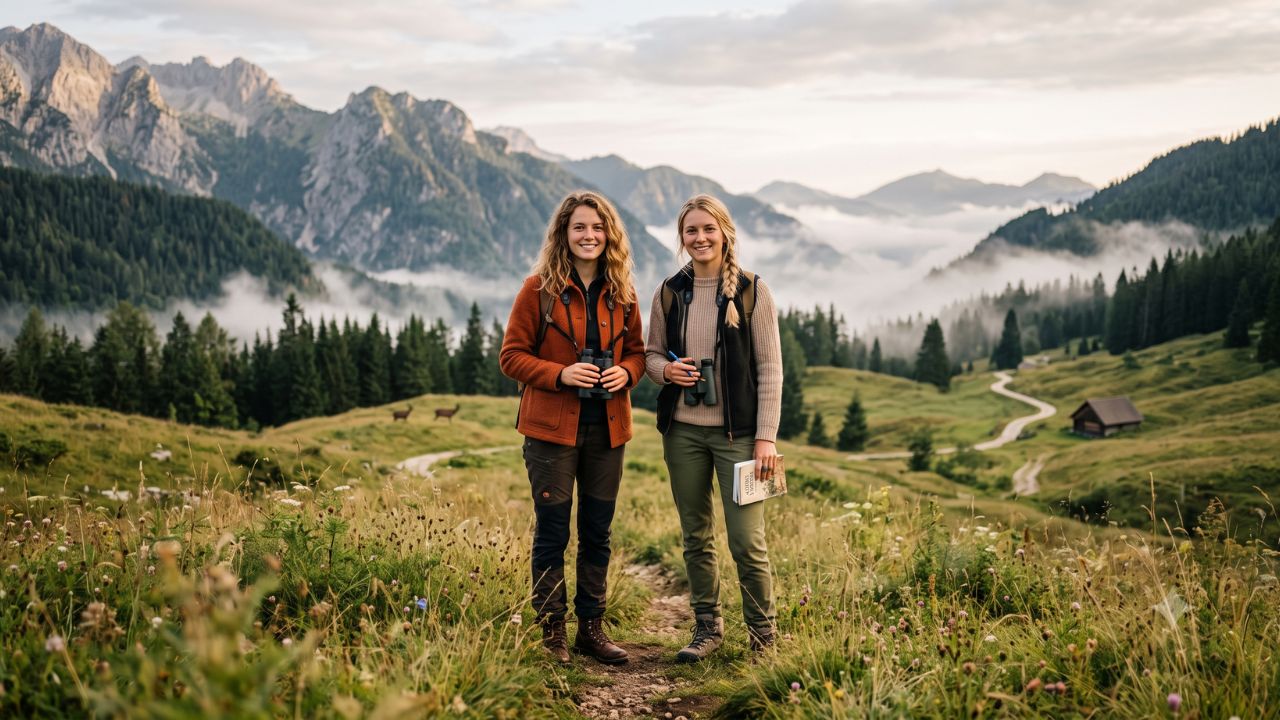
Image generated by AI
By shifting 100% of outdoor wildlife access under strict government monitoring, European nations are proving that conservation and adventure tourism can thrive together. In 2026, regulated destinations across Slovenia, Germany, and Austria offer international travelers an unprecedented model of sustainable wilderness stewardship.
Driven by evolving conservation objectives, legal hunting across the European continent has expanded far beyond traditional leisure. Today, national frameworks operate under strict government supervision to protect wildlife populations, maintain ecological balance, and support long-term forest management. Leading outdoor destinations are proving that adventure tourism can thrive when bound to statutory oversight and environmental responsibility.
The Local Trend Revealed
European outdoor management is experiencing a structural pivot. According to official guidelines established by the European Commission, all hunting activities within the European Union must strictly align with sustainability principles, particularly regarding protected bird species covered under the Birds Directive. This overarching mandate ensures that human activities do not compromise species survival or local habitat conservation objectives.
Rather than measuring the strength of their outdoor sector by sheer visitor volume or historic popularity, nations are evaluated by how effectively public authorities manage natural resources. Leading European destinations have integrated scientific monitoring, professional education, and clear licensing rules directly into their regional tourism offerings.
| Country | Governing Authority | Key Species & Operational Focus |
|---|---|---|
| Slovenia | Slovenian Forest Service & Slovenian Government | Red deer, roe deer, chamois, alpine ibex, mouflon, wild boar; long-term management plans across hundreds of concessions |
| Germany | Regional Authorities under German Federal Hunting Act | Red deer, roe deer, wild boar, fallow deer; mandatory exams covering law, safety & welfare |
| Austria | Provincial Authorities & Regional Forestry Boards | Red deer, roe deer, chamois; high Alpine protection & forest regeneration balancing |
| Sweden | Swedish Environmental Protection Agency | Moose, deer, small game; national exams required prior to firearm approval |
| France | National Permit & Regional Validation Authorities | Forest, wetland & mountain game; mandatory permit validation & insurance compliance |
| Spain | Autonomous Communities Regional Frameworks | Mediterranean & mountain species; localized ecosystem regulations & seasonal oversight |
| Switzerland | Cantonal Authorities under Federal Hunting Legislation | High-altitude Alpine fauna; strict cantonal seasonal limits & species protections |
Country-by-Country Regulatory Oversight
- Slovenia: The Slovenian Government confirms that hunting operations rely on long-term ecological planning and controlled concessions. Managing hundreds of dedicated grounds across Alpine peaks, valleys, and woodland zones, the Slovenian Forest Service prepares professional management strategies. Managed species include red deer, roe deer, chamois, alpine ibex, mouflon, and wild boar.
- Germany: Governed by the German Federal Hunting Act, Germany treats outdoor wildlife access as a structured legal responsibility. Candidates must complete a rigorous national examination process testing knowledge of hunting law, animal welfare, ecosystem conservation, and safe firearm handling. Management programs maintain balanced populations of red deer, roe deer, wild boar, and fallow deer to prevent agricultural and forestry damage.
- Austria: Operating through regional and provincial authorities within a unified national framework, Austria connects its high-altitude hunting traditions directly with mountain forest preservation. Controlled harvests of red deer, roe deer, and chamois are calculated to prevent overgrazing on delicate Alpine slopes.
- Sweden: The Swedish Environmental Protection Agency requires all participants to pass a national hunting examination before receiving approval for hunting firearms. Scientific research and continuous population monitoring guide annual quotas for moose, deer, and small game across vast forest reserves.
- France and Spain: France mandates official permits, national validation, and compulsory insurance conditions across its forests, agricultural fields, wetlands, and mountain regions. Spain relies on its autonomous communities to tailor wildlife regulations to diverse Mediterranean and mountainous ecosystems.
- Switzerland: Federal hunting legislation sets national conservation standards while empowering cantonal authorities to enforce strict seasonal limits and species protections across Alpine environments.
Cultural & Environmental Value (Information Gain & Experience)
For the visitor, the real impact is experiencing pristine ecosystems where every square kilometer of forest is actively protected against over-browsing and environmental degradation. Regulated concession fees and licensing revenues are reinvested directly into habitat conservation, reforestation projects, and wildlife research programs managed by bodies like the Slovenian Forest Service and regional forestry boards.
By maintaining balanced wild populations, these management programs prevent forest degradation caused by over-browsing, protecting young saplings in vital mountain watershed zones. Furthermore, this controlled framework directly supports local rural communities. Mountain guesthouses, certified regional guides, and traditional butcheries benefit from an ethical outdoor tourism model that operates within strict ecological boundaries.
Visitor Insider Tips
For international travelers and outdoor enthusiasts seeking to experience Europe’s regulated wild areas responsibly, local specialists highlight the following practical guidelines:
- Off-Peak Visit Windows: Schedule visits during the autumn shoulder season from late September through November. This period coincides with natural rutting seasons for deer and chamois, offering exceptional wildlife observation opportunities while avoiding peak summer trail congestion.
- Cultural Etiquette & Local Protocols: Always respect designated sanctuary zones and remain on marked public footpaths unless accompanied by a certified regional warden or licensed local guide. In Germany and Austria, strict protocols require visitors to respect active forest management signs and observe wildlife quietly from designated observation blinds.
- Local Culinary Specialties: Experience authentic regional gastronomy by sampling sustainably sourced wild game served at certified village inns (Gastonoma). Traditional highlights include Slovenian Divjajačini goulash (wild game stew served with buckwheat štruklji), Bavarian Rehbraten (slow-roasted roe deer accompanied by local lingonberries), and Austrian Alpine venison ragout infused with wild mountain herbs.
- Under-the-Radar Wilderness Spots: Beyond major national parks, explore under-the-radar natural areas such as the pristine Pohorje Primeval Forest in northeastern Slovenia, the peaceful Harz Mountain nature reserves in central Germany, or the expansive Karwendel Nature Park in Austria’s Tyrol region.
Tourism Outlook
The long-term impact of Europe's stringent wildlife management model points toward a resilient future for sustainable outdoor travel. As international travelers increasingly prioritize environmental integrity and authentic nature experiences, the structured systems built by Slovenia, Germany, Austria, Sweden, France, Spain, and Switzerland serve as a global benchmark.
By placing scientific monitoring and statutory compliance ahead of commercial exploitation, these nations demonstrate that regulated outdoor activity can actively safeguard biodiversity. Moving forward, this balanced approach ensures that pristine mountain ecosystems remain protected while continuing to offer meaningful connection with the natural world.
Internal Connection
Enhance your European travel itinerary with these related destination features:
- Plovdiv 48-Hour Cultural Route: Roman Theatre and Ottoman Heritage
- Tokaj Wine Region Sees Surge in Culinary Tourism Following UNESCO Heritage Recognition
- Top 10 Sustainable Outdoor Adventures in Europe
Related Travel Guides
Disclaimer
This article is for informational and educational purposes only. It does not constitute legal, financial, or professional advice. While we strive to provide accurate and up-to-date information, travel policies, regulations, and conditions change rapidly. Always verify information with official sources before making travel decisions. Nomad Lawyer makes no representations about the accuracy, reliability, completeness, or suitability of the information provided. Readers should consult qualified professionals for advice specific to their circumstances. The views expressed in this article are those of the author and do not necessarily reflect the views of Nomad Lawyer.
Kunal K Choudhary
Co-Founder & Contributor
A passionate traveller and tech enthusiast. Kunal contributes to the vision and growth of Nomad Lawyer, bringing fresh perspectives and driving the community forward.
Learn more about our team →