
US National Parks Short Hike Analysis: Low-Impact Access to High-Value Scenic Assets in 2026
An analysis of high-impact, short-distance hiking infrastructure across five major US National Parks, examining the logistics of low-elevation access and the economic value of 'minimal effort' scenic routes.

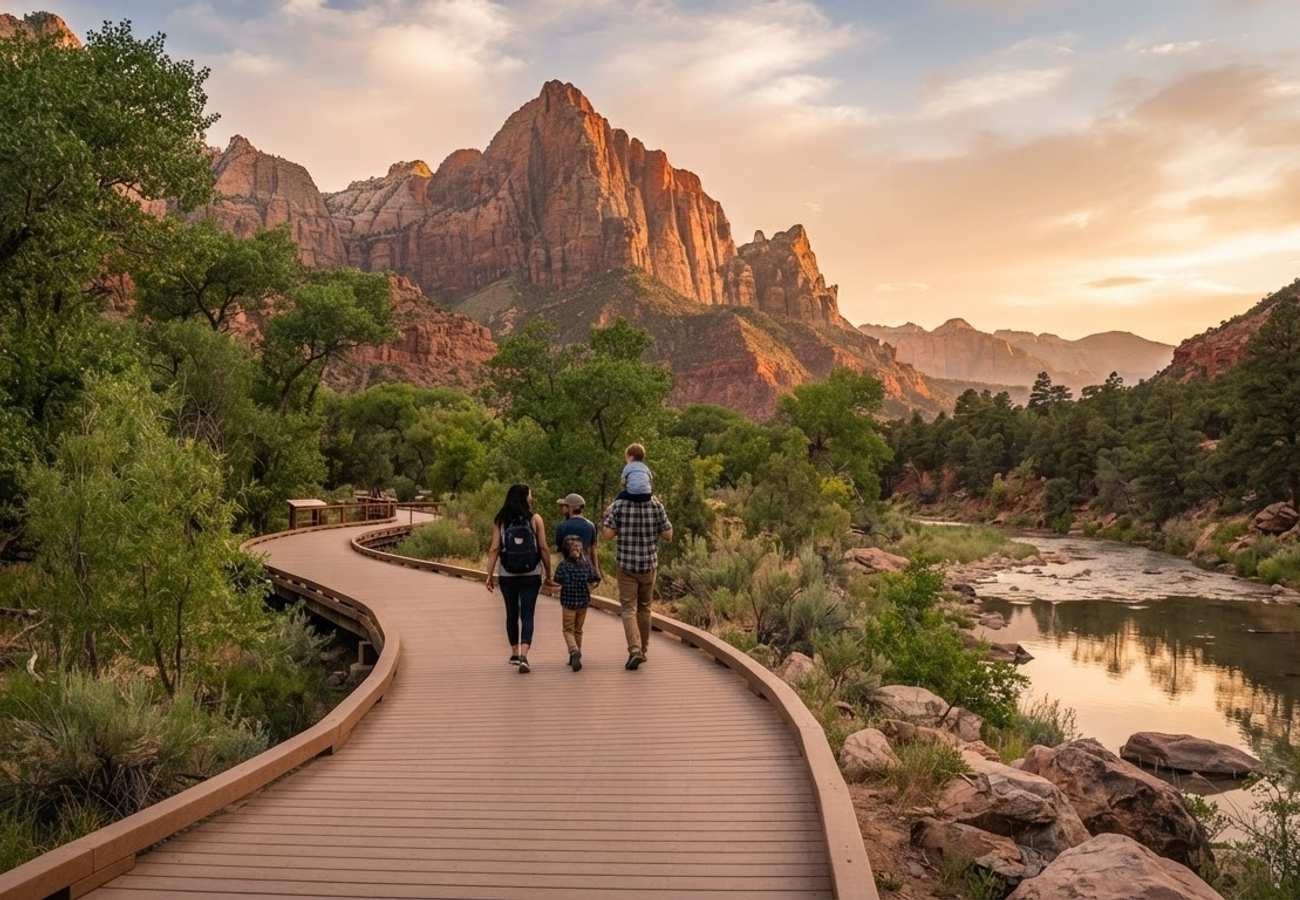
Image generated by AI
Under three miles is the maximum distance required to access some of the most visually significant geological and biological assets in the United States national park system. While these protected lands are often associated with grueling endurance tests and dangerous elevation gains, a strategic subset of infrastructure allows travelers to bypass the physical toll of backcountry trekking without sacrificing the visual payoff. This shift toward "high-impact, low-effort" tourism reflects a broader trend in the National Park Service (NPS) ecosystem, where accessibility is being prioritized to accommodate aging demographics and family-centric travel patterns.
The Logistics of Low-Impact Wilderness Access
The business of national park tourism relies heavily on "anchor attractions"—specific landmarks like the Delicate Arch or the Hoh Rain Forest—that drive the majority of visitor traffic. By concentrating high-quality trail maintenance on routes under three miles, the NPS can funnel large volumes of tourists toward these assets while minimizing the risk of search-and-rescue operations associated with longer, more treacherous treks.
In the American West, this is particularly evident in the high-desert terrain of Utah. The infrastructure in Arches National Park is designed to move visitors from parking lots to sandstone formations in minutes. This logistical efficiency reduces the "barrier to entry" for the average traveler, allowing them to experience world-class geology without specialized gear or advanced fitness levels.
Route Efficiency and Cost Breakdown
The following data outlines the primary low-impact hubs across five diverse ecosystems, detailing the specific distance of the most efficient routes and the associated entry costs for vehicles.
| National Park | Primary Short Route | Distance (Round Trip) | Vehicle Entrance Fee | Primary Asset |
|---|---|---|---|---|
| Arches | Lower Delicate Arch Viewpoint | 0.2 miles | $30 | Sandstone Arches |
| Redwood | Stout Memorial Grove | 0.6 miles | Free (Select areas $8) | Old-Growth Redwoods |
| Everglades | Pa-hay-okee Overlook | 0.2 miles | $35 | Sawgrass Prairie |
| Rocky Mountain | Bear Lake Loop | 0.7 miles | $30 | Alpine Lakes |
| Olympic | Hall of Mosses | 0.8 miles | $30 | Hanging Club Moss |
Expert Analysis: The Economics of the "Short-Hike" Model
For the modern traveler, the move toward short-distance, high-reward hiking is not merely a matter of convenience; it is a strategic response to the increasing volatility of environmental conditions. In regions like the Everglades or Rocky Mountain National Park, extreme temperature swings and altitude sickness make long-duration exposure a liability.
The direct consequence of this "short-hike" infrastructure is a democratization of the wilderness experience. When a 0.2-mile walk provides a view of the Delicate Arch, the park effectively removes the physical "tax" on the visitor. However, this creates a secondary pressure: extreme congestion at "bottleneck" trails. For travelers booking these routes, the pricing pressure is not found in the ticket cost, but in the "time cost"—the necessity of arriving at dawn to secure parking at these high-efficiency hubs.
Furthermore, the use of boardwalks in the Everglades and Olympic National Parks represents a sophisticated intersection of tourism and conservation. By restricting human movement to elevated wooden paths, the U.S. Department of the Interior protects fragile root systems and wetlands from soil compaction while simultaneously making the terrain accessible to those with limited mobility. This ensures that the economic engine of tourism does not destroy the very biological assets it sells.
Key Takeaways
- Maximum Efficiency: Most high-value assets in these five parks are accessible via routes under 1.0 mile, significantly lowering the physical requirement for entry.
- Cost Variance: Entrance fees range from free (Redwood) to $35 (Everglades), making the Northern California coast the most budget-friendly option for short-distance exploration.
- Environmental Mitigation: The prevalence of boardwalks in coastal and wetland parks (Olympic, Everglades) indicates a shift toward "contained tourism" to prevent ecological degradation.
- Strategic Planning: Because these short trails are high-traffic "bottlenecks," timing is more critical than fitness; early arrival is the primary variable for a successful visit.
FAQ: US National Parks Short Hikes 2026
Which national park is the most affordable for short hikes? Redwood National and State Parks is the most affordable, as general entrance is free, though select state park day-use areas may charge $8 per vehicle.
Are these short trails suitable for people with limited mobility? Yes, particularly in the Everglades and Olympic National Parks, where extensive boardwalk systems provide flat, stable surfaces that minimize the difficulty of the terrain.
Do I need a permit for these short-distance routes? While the hikes themselves generally do not require permits, some parks (like Arches or Rocky Mountain) may require timed-entry reservations during peak seasons to manage congestion.
What is the shortest route to a major landmark mentioned? The Lower Delicate Arch Viewpoint Trail in Arches and the Pa-hay-okee Overlook Trail in the Everglades are both only 0.2 miles round trip.
The shift toward accessible wilderness suggests that the future of national park tourism is less about the journey and more about the destination.
Related Travel Guides
Disclaimer
This article is for informational and educational purposes only. It does not constitute legal, financial, or professional advice. While we strive to provide accurate and up-to-date information, travel policies, regulations, and conditions change rapidly. Always verify information with official sources before making travel decisions. Nomad Lawyer makes no representations about the accuracy, reliability, completeness, or suitability of the information provided. Readers should consult qualified professionals for advice specific to their circumstances. The views expressed in this article are those of the author and do not necessarily reflect the views of Nomad Lawyer.
Naina Thakur
Contributor & Travel Specialist
Travel enthusiast and legal writer covering visa regulations, responsible tourism, and cultural journeys across global destinations.
Learn more about our team →