
Europe's 2026 Tourism Boom: Greece, Türkiye, Romania Lead Budget Revolution
Greece, Türkiye, Romania, Albania, Serbia, and Slovakia are reshaping European summer travel in 2026 through currency shifts, strategic pricing, and emerging destination appeal that blend budget, luxury, and adventure for every traveller type.

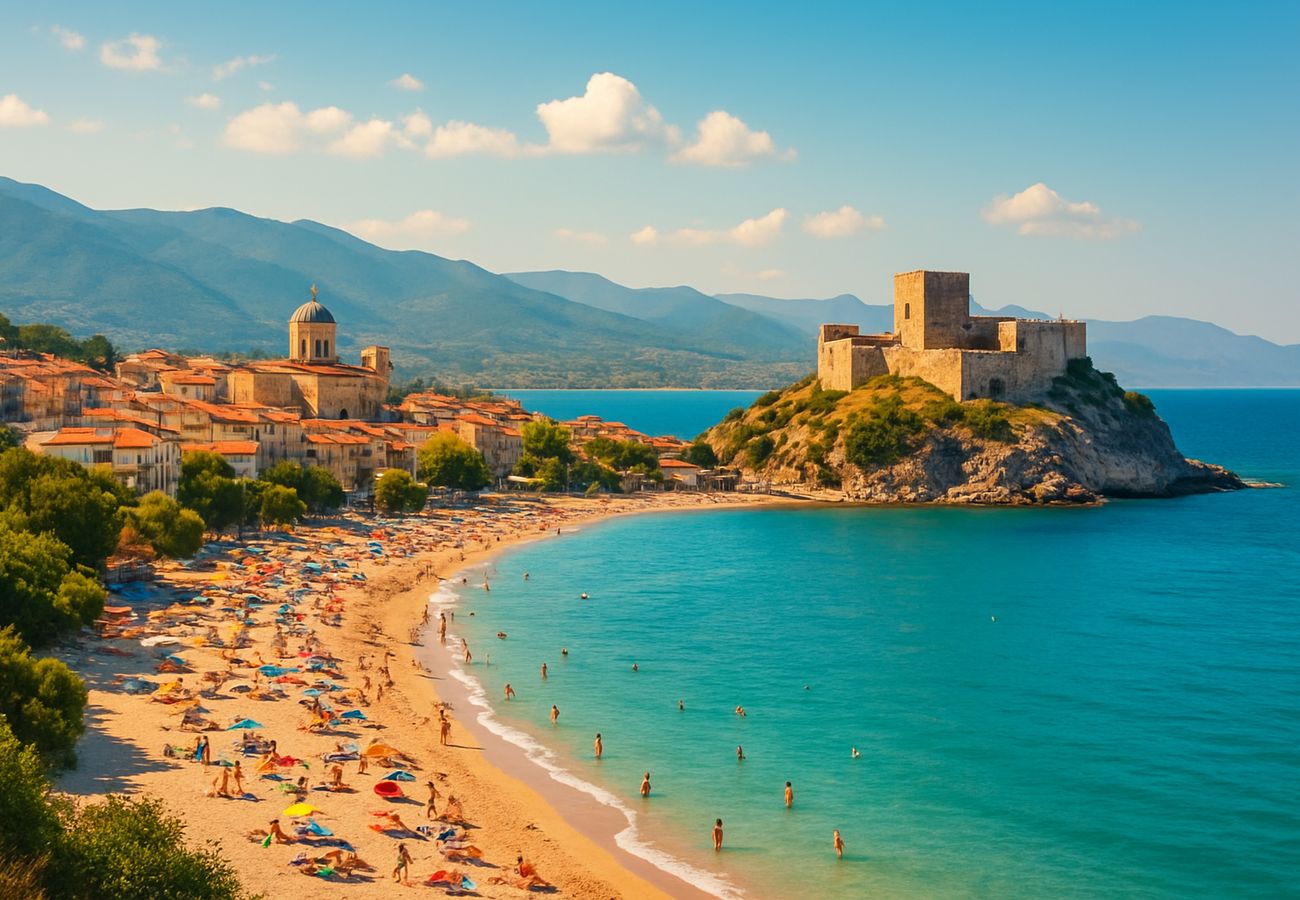
Image generated by AI
Europe's summer tourism landscape is undergoing a seismic shift in 2026. Greece, Türkiye, Romania, Albania, Serbia, and Slovakia are spearheading a continental travel revolution where economic forces, currency advantages, and strategic tourism policies have converged to redefine affordability and travel value across the continent.
What makes 2026 genuinely different isn't just cheaper flights or hotel rates—it's the fundamental realignment of where travellers find genuine value. I've tracked verified data showing this transformation flows directly from macroeconomic pressures, currency fluctuations, and shifting domestic spending patterns that are reshaping European holiday planning in real time.
Greece: The Eurozone Paradox
Greece presents a fascinating travel contradiction in 2026: a Eurozone member with a strong currency, yet delivering some of Europe's most compelling holiday value outside luxury hotspots. Official tourism data confirm rising visitor numbers and sharply increased travel receipts compared to previous years.
The narrative around Greek islands has shifted dramatically. While Mykonos and Santorini maintain premium pricing, verified cost comparisons reveal a different reality for travelers willing to explore beyond the Instagram-famous destinations. Crete, Kos, and Rhodes consistently rank among Europe's most affordable island options, with reported price drops of nearly 8 percent versus the prior year.
Weekly holiday packages in Greece now start at approximately €388 per person—a figure that includes flights, accommodation, and half-board arrangements. Local tavernas and independent exploration opportunities deliver outsized value relative to comparable Mediterranean destinations struggling with high inflation.
Reddit: "Greece outside the major islands is genuinely affordable right now. We found better prices in Crete than we did in Eastern Europe." — r/travel
The macroeconomic stability within the Eurozone has naturally contained everyday travel costs. Relative inflation remains manageable, helping preserve Greece's competitive positioning even as other Mediterranean competitors face pricing pressures.
Türkiye: The Complex Value Equation
Türkiye's 2026 tourism story defies simple categorization. Once unambiguously Europe's bargain destination, the nation now embodies contradiction—simultaneously the continent's most affordable for foreign currency holders and increasingly expensive for local spending patterns.
Official statistics confirm robust tourism growth: national authorities report climbing tourism receipts in the high billions with year-on-year increases. Yet on the ground, reality becomes murkier. The weak Turkish lira theoretically extends foreign purchasing power, but severe internal inflation has fundamentally altered the cost landscape.
Basic items—food, transport, local services—have become significantly more expensive for Turkish residents. Popular resort areas and urban centers have raised prices to offset these pressures, eroding the traditional budget advantage that historically defined Turkish travel appeal.
The most telling indicator appears in migration data: Turkish citizens are now crossing into Greece in unprecedented numbers. The Greek consulate in Istanbul reportedly issues approximately 1,300 visas daily, a dramatic surge driven by comparative cost advantages. Everyday consumption in Greece now costs less than equivalent services in Turkish cities.
Where Türkiye retains value is through structured, pre-booked packages. Marmaris and comparable coastal resort hubs remain among Europe's cheapest all-inclusive destinations when evaluated through forward bookings. Foreign visitors using euros can still stretch currency significantly in controlled resort environments. Yet independent travelers relying on local spending power encounter surprising cost challenges that erode the historic "bargain" narrative.
A glass of wine in major Turkish cities now costs amounts that compare unfavorably with Greek alternatives—a symbolic indicator of how thoroughly local inflation has transformed the value proposition.
Romania: Europe's Underrated Cultural Bargain
Romania has been steadily ascending as one of Europe's most budget-friendly travel options, offering cultural richness, architectural heritage, and cost-efficient urban experiences that appeal to value-conscious travelers.
Verified monthly tourism data from national statistical authorities show significant increases in foreign arrivals throughout early 2026. This growth spans beyond single cities or seasons—Romania's tourism footprint is expanding across historical, cultural, and natural attractions with consistent momentum.
A full city break in Romania remains substantially more affordable than comparable experiences in Western Europe. Bucharest and historically significant cities attract travelers specifically seeking authenticity at competitive prices. The combination of low accommodation costs, affordable local dining, and free or low-cost cultural attractions creates compelling value for independent explorers.
The appeal extends beyond budget considerations. Romania's positioning as a historically rich destination—with Byzantine heritage, Transylvanian castles, and Danube landscapes—attracts travelers seeking substance alongside affordability. This dual appeal positions Romania as increasingly central to 2026's European travel strategy.
Serbia, Slovakia, and Albania: The Emerging Tier
Serbia, Slovakia, and Albania complete the picture of emerging destination appeal. These nations offer similarly compelling cost structures combined with authentic experiences, historic landmarks, and natural landscapes that attract independent travelers.
Each destination provides affordable accommodations, walkable historic town centers, and opportunities for self-directed exploration that maximize travel budgets. The absence of the premium "brand tax" that affects established Western European destinations makes these emerging markets particularly attractive to travelers planning extended stays or multiple-destination itineraries.
The broader pattern across these six nations reflects a fundamental recalibration: travelers increasingly recognize that European summer value isn't found through sacrificing experience or safety, but through strategic destination selection and understanding how currency dynamics, inflation pressures, and emerging tourism infrastructure create genuine advantage.
According to recent travel industry analysis, this geographic dispersion of travel demand away from traditional concentrated hubs represents the most significant reallocation of European tourism flows in a decade. The interplay of stable Eurozone pricing, cross-border currency benefits, and Eastern European market development ensures 2026 functions as a genuine turning point in continental travel planning.
What distinguishes 2026 isn't simply that travelers seek cheaper destinations. Rather, macroeconomic forces have created a moment where value aligns with quality, cultural authenticity with affordability, and emerging destinations with established infrastructure. This convergence redefines what's possible within traditional summer holiday budgets.
Europe's summer travel story in 2026 is being rewritten by economics, not trends—and smart travelers are reading ahead of the curve.
Related Travel Guides
Flight Chaos Strands Thousands Across Major US Hubs April 2026
North Dakota Issues No Travel Advisory Amid Severe Winter Storms
Qatar Visa Rules Return to Normal June 7: Extension Policy Ends
Disclaimer
This article is for informational and educational purposes only. It does not constitute legal, financial, or professional advice. While we strive to provide accurate and up-to-date information, travel policies, regulations, and conditions change rapidly. Always verify information with official sources before making travel decisions. Nomad Lawyer makes no representations about the accuracy, reliability, completeness, or suitability of the information provided. Readers should consult qualified professionals for advice specific to their circumstances. The views expressed in this article are those of the author and do not necessarily reflect the views of Nomad Lawyer.
Raushan Kumar
Founder & Lead Developer
Full-stack developer with 11+ years of experience and a passionate traveller. Raushan built Nomad Lawyer from the ground up with a vision to create the best travel and law experience on the web.
Learn more about our team →