
Europe Sleeper Train Boom 2026: New Overnight Rail Links Drive Twin-City Tourism Growth
Overnight rail networks in Europe are triggering a surge in twin-city tourism in 2026, allowing travelers to bypass airports and connect diverse capitals like Sofia, Istanbul, and Prague.

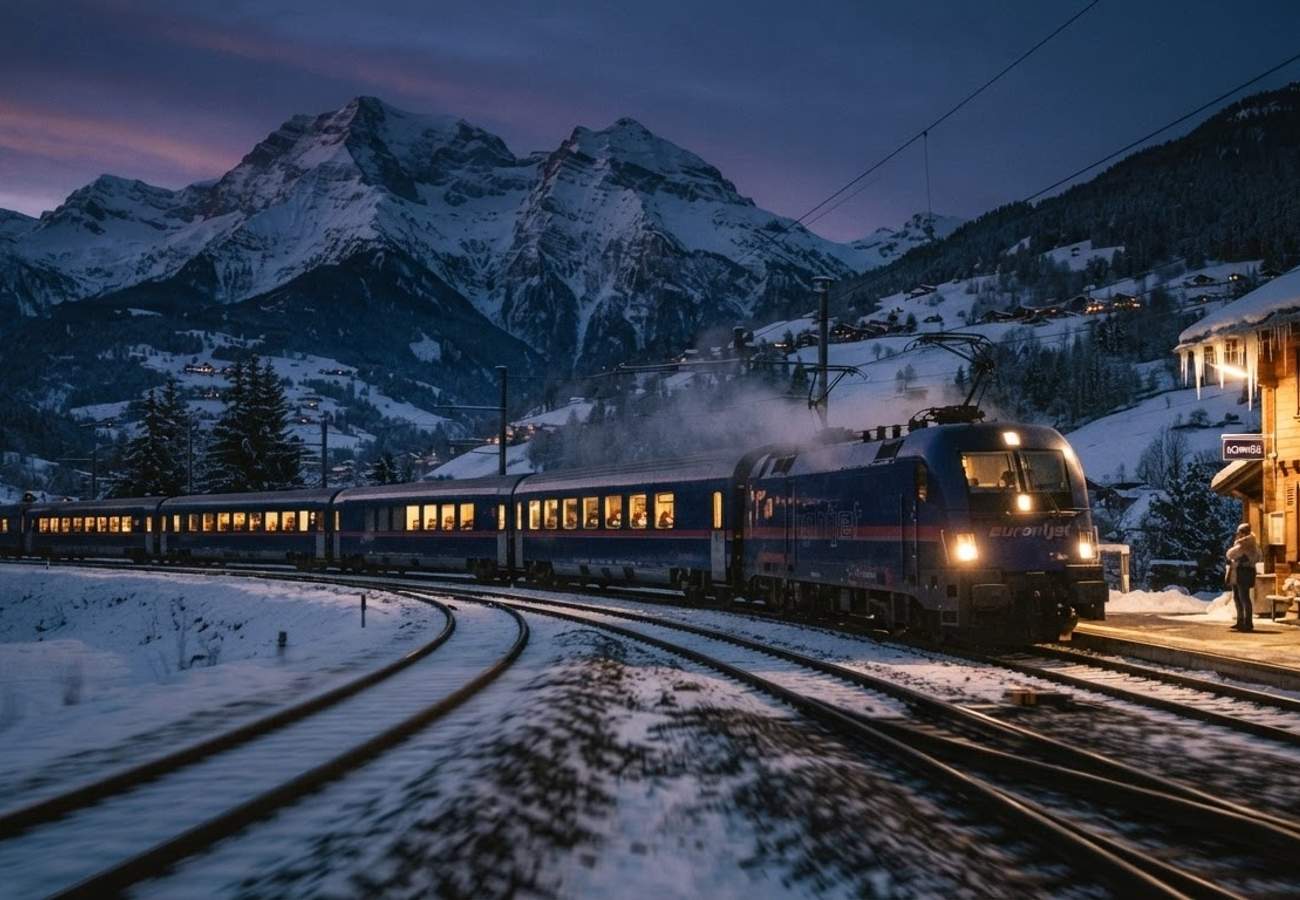
Image generated by AI
The era of the short-haul flight is facing a significant challenge as 2026 sees a massive resurgence in European sleeper trains, enabling travelers to visit two distinct capitals in a single trip while they sleep. This shift toward overnight rail is not merely a nostalgic trend but a logistical evolution that eliminates airport congestion and maximizes vacation time across Central, Eastern, and Western Europe.
For years, the standard European city break involved a choice: spend a weekend in one city or sacrifice a full day of sightseeing to a flight and airport transfer. The current expansion of sleeper corridors—connecting hubs like Zurich to Amsterdam and Berlin to Budapest—has introduced "twin-city tourism," a model where the journey itself serves as the hotel, and the destination is doubled.
Eliminating Airport Anxiety Through Overnight Rail
The psychological shift in how travelers plan their holidays is evident. Industry data suggests a move from asking "Where can I go?" to "Where can I afford to visit?" This change is driven by the efficiency of sleeper trains, which allow passengers to traverse hundreds of kilometers without the stress of early morning wake-up calls or the bureaucratic hurdles of airport security.
By integrating transport and rest, travelers are reclaiming hours typically lost to transit. The value proposition is clear: no check-in lines, no luggage restrictions typical of budget airlines, and the ability to wake up in a different culture. This efficiency is particularly appealing to a growing demographic of sustainable travelers who view the carbon footprint of short-haul aviation as an unnecessary cost.
The Rise of Twin-City Tourism and New Route Dynamics
The most significant impact of the rail revival is the creation of "twin-city tourism." This concept connects destinations that were previously viewed as separate, standalone vacations, blending them into a single, cohesive itinerary. Instead of two separate trips, a traveler can now experience a mountain city and a coastal capital in one continuous adventure.
This evolution is creating entirely new visitor flows for tourism boards. By linking contrasting urban identities—such as the political hub of Brussels with the medieval streets of Prague—rail operators are opening gateways to unique destination pairings that flights rarely prioritize.
The following table outlines the primary sleeper corridors driving this 2026 travel boom:
| Sleeper Route | Countries Connected | Approximate Journey Experience | Main Travel Appeal |
|---|---|---|---|
| Sofia – Istanbul | Bulgaria and Türkiye | Around 10 hours overnight | Balkan heritage meets two-continent metropolis |
| Berlin – Budapest | Germany and Hungary | Around 12 hours | Modern culture meets imperial history |
| Brussels – Prague | Belgium and Czechia | Around 15 hours | European politics meets medieval charm |
| Warsaw – Vienna | Poland and Austria | Around 10 hours | Eastern European energy meets imperial elegance |
| Zurich – Amsterdam | Switzerland and Netherlands | Around 12.5 hours | Alpine landscapes meet canal culture |
Bridging Continents: Sofia and Istanbul
One of the most impactful routes is the Sofia-Istanbul Express. This 10-hour overnight journey serves as a physical and cultural bridge between Bulgaria and Türkiye. Sofia, characterized by its mountain vistas and historic churches, stands in stark contrast to Istanbul, a sprawling metropolis bridging Europe and Asia.
By offering both sleeper and couchette options, this route allows international visitors to experience the transition from the Balkans to the former Ottoman heartland without the need for regional flights. It represents a broader trend of rail reconnecting regions that were historically fragmented by borders and outdated travel habits.
Central European Cultural Corridors
The link between Berlin and Budapest exemplifies how long-distance travel is becoming a practical holiday tool. Travelers can immerse themselves in Berlin’s contemporary art scene and nightlife before boarding an evening train and waking up in Hungary’s capital, ready to visit the Danube or the city's famous thermal baths.
Similarly, the Warsaw-Vienna connection highlights the contrast between resilience and imperial legacy. While Warsaw showcases a blend of modern development and restored history, Vienna offers a dive into classical music and coffeehouse culture. These narratives are woven together through the night, providing a depth of experience that a quick flight cannot replicate.
Expanding Networks: ÖBB Nightjet and European Sleeper
The infrastructure supporting this boom is led by operators like ÖBB Nightjet and European Sleeper. ÖBB Nightjet has aggressively expanded its network, positioning overnight rail as a tool for time management. Meanwhile, European Sleeper has established critical links between Brussels and Prague, with strategic stops in Amsterdam, Berlin, and Dresden.
These services are not just point-to-point transfers; they are multi-country journeys. For the passenger, the train becomes a moving vantage point, crossing several European landscapes and borders while avoiding the traditional airport routine.
Market Data and the Shift in Passenger Demand
The comeback of the sleeper train is backed by concrete growth. Analysis of travel platforms indicates an 8% year-on-year increase in sleeper train bookings. Demand for EuroNight and Nightjet services has risen significantly, signaling that overnight rail has transitioned from a niche, nostalgic product to a pillar of modern European mobility.
In response, operators are investing in upgraded cabins and enhanced onboard amenities to compete with the comfort levels of modern hotels and airlines. The current network now effectively links major hubs including Paris, Berlin, Brussels, and Milan, ensuring that overnight rail is a viable alternative for the mass market.
Why This Matters: The Impact on the Modern Traveler
For the traveler, the rise of sleeper trains means the "death of the wasted day." In a traditional flight-based itinerary, a trip from Brussels to Prague consumes nearly an entire day when accounting for travel to the airport, security, flight time, and transit to the hotel. With the sleeper train, that time is reclaimed.
From a logistical standpoint, this creates a more flexible "slow travel" economy. Travelers can now plan itineraries based on cultural curiosity rather than flight schedules. For the digital nomad or the sustainable tourist, this removes the guilt and stress of frequent flying while adding a layer of adventure to the transit process. The "twin-city" approach effectively doubles the cultural ROI of a single vacation.
The rails of Europe are no longer just connecting cities; they are redefining the very rhythm of the continental holiday.
Related Travel Guides
Disclaimer
This article is for informational and educational purposes only. It does not constitute legal, financial, or professional advice. While we strive to provide accurate and up-to-date information, travel policies, regulations, and conditions change rapidly. Always verify information with official sources before making travel decisions. Nomad Lawyer makes no representations about the accuracy, reliability, completeness, or suitability of the information provided. Readers should consult qualified professionals for advice specific to their circumstances. The views expressed in this article are those of the author and do not necessarily reflect the views of Nomad Lawyer.
Kunal K Choudhary
Co-Founder & Contributor
A passionate traveller and tech enthusiast. Kunal contributes to the vision and growth of Nomad Lawyer, bringing fresh perspectives and driving the community forward.
Learn more about our team →