
Forbidden Zones 2026: Why Svalbard, Lascaux Caves, and North Sentinel Island Remain Sealed to Tourists
From biological hazards to top-secret military sites, discover the most strictly guarded forbidden zones of 2026 and the environmental or security reasons why they remain off-limits.

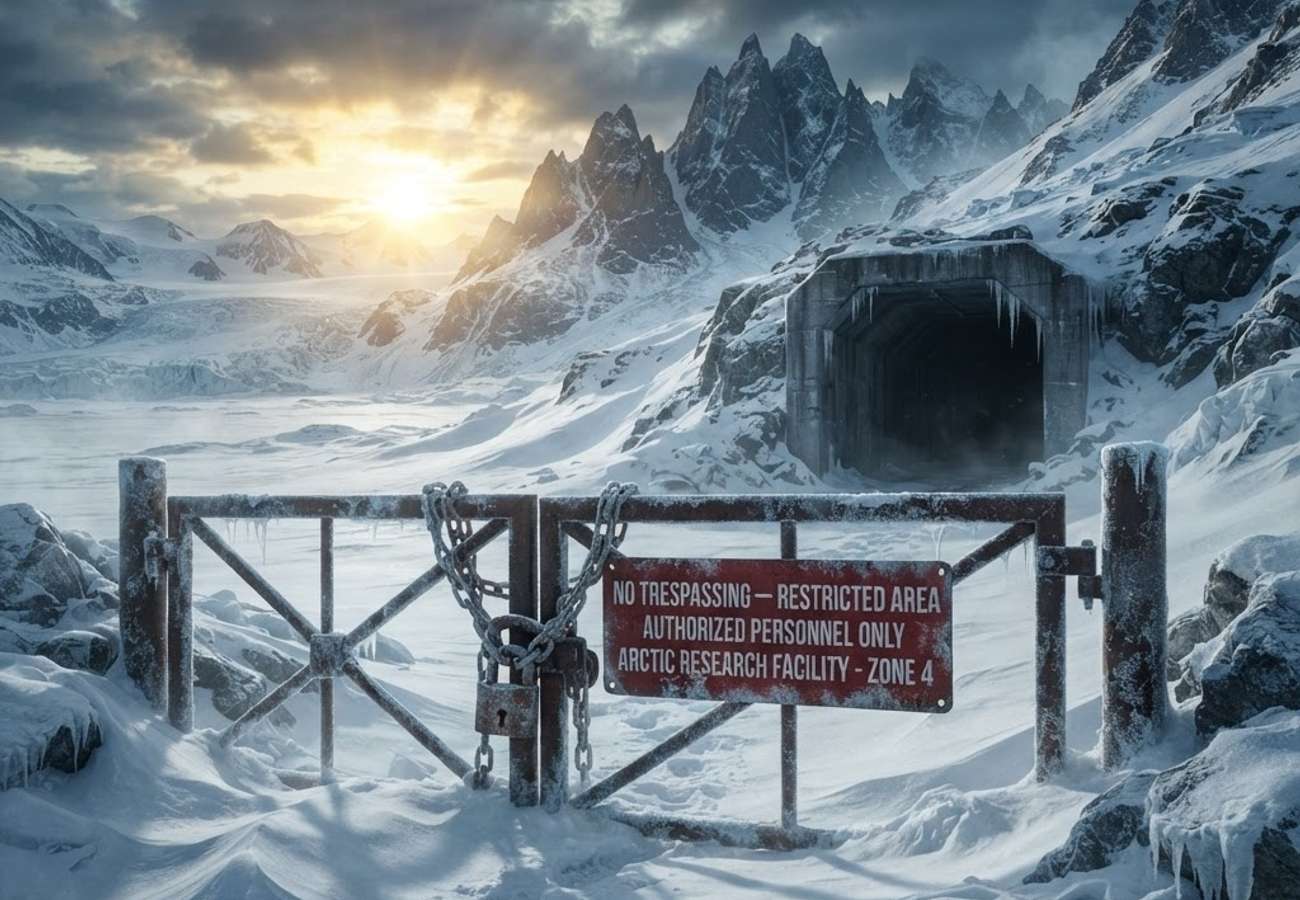
Image generated by AI
The global travel map is not as open as it seems. From 17,000-year-old prehistoric art to nuclear-missile sites, certain coordinates remain permanently locked behind steel gates and armed patrols.
While modern passports offer unprecedented access to the globe, a network of "forbidden zones" exists where no luxury tour operator or diplomatic credential can grant entry. These sites are not merely exclusive; they are sealed to prevent biological catastrophe, preserve fragile ancient heritage, or protect high-level national security.
The Shift Toward Absolute Preservation
The trend in global tourism has shifted from "access at all costs" to "preservation through exclusion." We are seeing a rise in permanent closures of sites where human presence—even in small numbers—causes irreparable harm. The most prominent example is the Lascaux Caves in France. After opening to the public post-WWII, the introduction of human breath, body heat, and carbon dioxide triggered the growth of destructive black fungus and lichen. To save the 17,000-year-old Paleolithic art, French authorities permanently sealed the caves in 1963.
For the modern traveler, the experience has evolved. Rather than entering the original site, visitors now engage with exact-scale replicas, such as Lascaux IV. This model of "simulated access" allows for cultural education without compromising the physical integrity of the artifact.
Global Restricted Zones: A Comprehensive Overview
The following locations are currently off-limits to casual travelers due to extreme hazards or security protocols.
| Location | Region | Primary Reason for Restriction | Access Status | Key Detail |
|---|---|---|---|---|
| North Sentinel Island | India | Bio-security & Indigenous Protection | Strictly Banned | 5 nautical mile exclusion zone |
| Svalbard Global Seed Vault | Norway | Global Food Infrastructure | Closed to Public | Built 300 feet into a mountain |
| Lascaux Caves | France | Artifact Conservation | Closed to Public | Permanent closure since 1963 |
| Ilha da Queimada Grande | Brazil | Venomous Wildlife | Gov. Auth Only | Home to Golden Lancehead vipers |
| Surtsey Island | Iceland | Ecological Research | Scientists Only | Formed by 1963 volcanic eruption |
| Vatican Apostolic Archives | Vatican City | Papal Privacy/Security | Vetted Scholars Only | Rigorous academic vetting required |
| Area 51 (Groom Lake) | USA | Military Operations | Strictly Banned | Guarded by lethal force authorization |
| Ise Grand Shrine (Inner) | Japan | Shinto Tradition | Royal/High Priests Only | Dedicated to Amaterasu |
| Mezhgorye | Russia | Strategic Military | Closed City | Nuclear-missile site near Mt. Yamantau |
| Poveglia Island | Italy | Public Safety/Hazard | Strictly Restricted | Former plague quarantine site |
| Pravčická Brána | Czechia | Geological Erosion | Restricted | Walking on arch banned since 1982 |
| North Brother Island | USA | Wildlife/Safety | Permit Only | Former quarantine hospital site |
| Heard Island | Australia | Remote Safety/Eco | Scientific Permit Only | Active volcanic territory |
| Bohemian Grove | USA | Private Ownership | Private Members Only | 2,700-acre private retreat |
| Room 39 | North Korea | State Security | Strictly Forbidden | Secret financial operations facility |
Environmental and Cultural Value
The restriction of these sites often serves a greater global good. In the case of North Sentinel Island, the Indian government enforces a strict maritime perimeter to protect the Sentinelese tribe. Because their immune systems have not evolved alongside modern global pathogens, a simple common cold or flu introduced by a tourist could trigger a civilization-ending epidemic.
Similarly, the Svalbard Global Seed Vault acts as the planet's ultimate agricultural insurance policy. By restricting access to authorized genebank curators and international diplomats, Norway ensures that the subterranean chambers—dug 300 feet into permafrost—remain sterile and secure against climate change or geopolitical instability.
In Brazil, the restriction of Ilha da Queimada Grande (Snake Island) is a matter of survival. The Golden Lancehead viper evolved in isolation to hunt birds, resulting in a venom potent enough to melt human tissue. Here, the ban serves a dual purpose: protecting humans from lethal toxins and protecting a critically endangered species from human interference.
Visitor Insider Tips
For those drawn to the "edge" of these forbidden zones, there are ethical and legal ways to experience the periphery:
- The Svalbard Experience: While you cannot enter the vault, you can visit the remote Svalbard archipelago. The vault's exterior, featuring a striking illuminated art installation, is viewable from a distance.
- The Lascaux Alternative: Skip the search for the original caves and head straight to Lascaux IV. The precision of the replica is staggering and provides the same emotional impact without the ecological guilt.
- Ethical Observation: When visiting regions near indigenous territories or protected wildlife zones, always consult the local tourism department or regional conservation bodies. Avoid "rogue" guides who claim they can smuggle you into restricted areas; these actions often lead to severe criminal prosecution and ecological damage.
- Off-Peak Exploration: If visiting the replicas of restricted sites in Europe, visit during the shoulder seasons (late September or April) to avoid the crowds that the original sites were closed to prevent.
Tourism Outlook
The long-term trajectory of global tourism is moving toward "invisible" or "remote" sightseeing. As climate change threatens more fragile ecosystems, we can expect more sites to move from "restricted" to "permanently sealed." The rise of high-fidelity digital twins and physical replicas suggests that the future of cultural tourism lies in experiencing the essence of a place without physically touching it. This shift supports regional heritage by decoupling economic gain from physical degradation.
Some boundaries are not meant to be crossed; they are meant to be respected.
Related Travel Guides
Disclaimer
This article is for informational and educational purposes only. It does not constitute legal, financial, or professional advice. While we strive to provide accurate and up-to-date information, travel policies, regulations, and conditions change rapidly. Always verify information with official sources before making travel decisions. Nomad Lawyer makes no representations about the accuracy, reliability, completeness, or suitability of the information provided. Readers should consult qualified professionals for advice specific to their circumstances. The views expressed in this article are those of the author and do not necessarily reflect the views of Nomad Lawyer.
Kunal K Choudhary
Co-Founder & Contributor
A passionate traveller and tech enthusiast. Kunal contributes to the vision and growth of Nomad Lawyer, bringing fresh perspectives and driving the community forward.
Learn more about our team →