
Emirates Pivots South Amid Global Energy Crisis: UAE Airline Strikes Historic Cape Town Tourism Deal as US Iran Conflict and Strait of Hormuz Blockade Devastate the Middle East
As the US-Iran conflict triggers severe shipping disruption in the Strait of Hormuz, Emirates aggressively hedges its revenue by launching massive tourism expansions into Cape Town, South Africa.

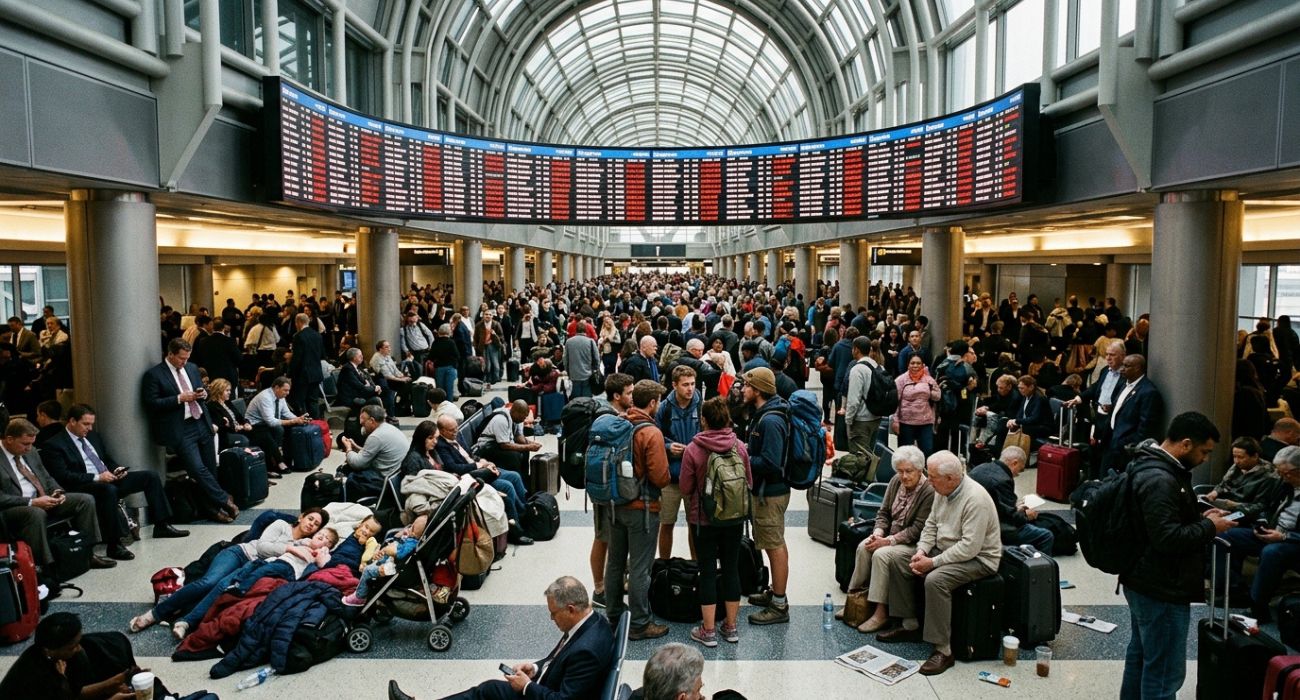
Image generated by AI
With the escalating US Iran conflict rapidly detonating a massive global energy crisis across the Middle East, the world's most luxurious legacy carriers are scrambling to desperately secure alternative revenue streams. In an aggressive strategic pivot designed to bypass the paralyzed airspace surrounding the combat-heavy Persian Gulf, UAE-flag carrier Emirates has officially executed a historic Memorandum of Understanding (MoU) with Wesgro, the premier tourism, trade, and investment promotion agency for South Africa’s Western Cape. Announced formally during Africa’s World Travel Market (WTM), this massive geopolitical alignment aggressively positions Cape Town as the ultimate safe-haven destination for international tourists desperately fleeing the travel chaos currently engulfing the Middle East.
Expanded Overview: Hedging Against The Storm
As commercial aviation bleeds from soaring oil prices, Emirates has formally acknowledged the necessity to diversify routing away from strictly Gulf-reliant corridors. At the official WTM signing ceremony, Afzal Parambil, Regional Manager for Southern Africa at Emirates, alongside Wrenelle Stander, CEO of Wesgro, codified an agreement structurally designed to funnel massive swathes of international inbound tourism traffic directly down into Cape Town and the broader Western Cape.
This isn't merely a localized handshake. Emirates is actively deploying a staggering array of heavy machinery to solidify this Southern hedge. The UAE titan is forcefully introducing a third daily frequency dedicated to Cape Town entirely serviced by the ultra-efficient Airbus A350. Furthermore, Emirates is establishing a dominant new operational base consisting of three aircraft stationed in Marrakech, Morocco, utilizing this leverage to rapidly launch six critical new routes filtering passengers strictly from Prague, Newcastle, and Zurich into safe African territories.
Geopolitical Context: Escaping the US/Iran Crossfire
Why is the UAE abruptly throwing millions into South African tourism architecture? The answer lies directly within the heavily volatile Gulf tensions. A localized, highly destructive U.S. naval blockade against Iran has completely compromised commercial stability throughout the Middle East. With Iran continuously closing the Strait of Hormuz in military retaliation, major Gulf flight paths remain entirely susceptible to impromptu closures or kinetic military damage. Realizing that the foundational security of their Dubai super-hub is temporally threatened by the US-Iran proxy war, Emirates must forcibly route Western European and Asian travelers toward neutral, highly profitable southern hemisphere targets completely insulated from Persian Gulf warfare.
Global Energy Impact: Maximizing Efficiency
This southern pivot directly addresses the ongoing aviation fuel nightmare. The shipping disruption stemming directly from the Strait of Hormuz closure has triggered brutal localized jet fuel shortages throughout Europe and the Gulf. Because Emirates represents the pinnacle of massive, high-fuel-burn aviation, efficiently deploying their fuel-conscious Airbus A350 fleet down into South Africa allows the airline to secure high-yield, long-haul revenue without navigating the immense insurance premiums and fuel taxes currently devastating standard East-West routes. By prioritizing Cape Town, the airline is structurally minimizing its operational supply chain risk.
Shipping & Trade Impact: An Atlantic Alternative
As commercial mega-tankers are mercilessly held hostage to the unpredictable whims of military blockades, the broader commercial trade winds are blowing back toward the African continent. This intense vessel rerouting forces trade down the African coast, inherently elevating the strategic importance of Cape Town’s maritime and aviation logistics. Wesgro fully recognizes that maintaining continuous, heavily protected aerial connectivity with the UAE allows regional South African businesses to successfully circumnavigate severe trade delays that currently cripple traditional Middle Eastern business logistics.
Regional Impact (Gulf States): A Desperate Play
Make no mistake: Emirates' maneuvering represents the stark economic anxiety currently shared universally by Saudi Arabia, the UAE, Qatar, Kuwait, Oman, and Bahrain. As sovereign oil revenues hemorrhage due to the Hormuz closure, these petrostates are ruthlessly relying on their flagship airlines to continue generating global GDP. Securing the South African corridor serves as the ultimate economic lifeline for the UAE. If Gulf airspace experiences further shutdowns, maintaining an undisputed lock on North African (Marrakech) and Southern African (Cape Town) tourism corridors ensures that UAE-based carriers will successfully weather the geopolitical storm while competing Gulf airlines suffocate.
Industry / Expert Analysis: Securing a Sustainable Future
International aviation forecasters believe the Emirates-Wesgro MoU operates on two highly intelligent timelines. In the immediate term, the agreement protects Dubai's ledger amid Middle East warfare. However, the long-term impact on the Western Cape is monumental. By structurally forcing international travelers to explore lesser-known, emerging destinations within the province and heavily promoting off-season travel modules (supported by expanding networks like easyJet holidays), Emirates and Wesgro are aggressively diffusing peak tourism congestion. In the process, they are actively generating over 100 new direct jobs and thousands of localized, indirect employment opportunities, functionally forging a sustainable tourism infrastructure capable of handling millions independently of Gulf stability.
What Happens Next: The South African Surge
As the Middle East continues dragging global markets into localized uncertainty, South Africa is perfectly positioned to absorb massive luxury and leisure traffic. Travelers originally booked for Middle Eastern or Eastern European holidays will inevitably be aggressively marketed and re-routed southward into Cape Town by Emirates' massive software networks. As long as diplomatic resolutions between Washington and Tehran remain frozen, expect to see the Western Cape transform rapidly into the premier, highly-connected luxury alternative for the entire Northern Hemisphere.
Conclusion: A Shift in Global Gravity
The profound instability inflicted by the Strait of Hormuz closure proves that localized conflict breeds monumental global shifts. The aggressive expansion of Emirates into Cape Town and Marrakech successfully circumvents the suffocating US Iran conflict, seamlessly converting geopolitical volatility into historic South African tourism growth. By fundamentally intertwining the UAE's commercial survival with the Western Cape's sustainable development, Emirates has not only guaranteed a safe harbor from the ongoing global energy crisis but revolutionized the African continent’s immediate economic trajectory.
Key Takeaways
- A Historic African Pivot: Emirates and Wesgro officialized a massive MoU at Africa’s World Travel Market (WTM), aggressively accelerating inbound tourism into Cape Town.
- Massive Fleet Adjustments: To bypass the Middle Eastern conflict, Emirates is instantly deploying a third daily flight to Cape Town utilizing Airbus A350s, alongside positioning three aircraft in Marrakech to execute six new routes (including Prague, Newcastle, Zurich).
- Geopolitical Defense: The strategic expansion allows the UAE completely secure, high-yield revenue insulated from the severe Gulf tensions and Strait of Hormuz aerial shutdowns.
- Economic Boom for South Africa: The massive influx of redirected international routes promises over 100 immediate direct jobs and thousands of indirect opportunities for the Western Cape.
- Aggressive Route Diversity: Alongside massive legacy movement, holiday providers such as easyJet holidays will expand offerings to evenly distribute massive Western tourism traffic across emerging provincial locations during off-peak seasons.
Related Travel Guides
Disclaimer
This article is for informational and educational purposes only. It does not constitute legal, financial, or professional advice. While we strive to provide accurate and up-to-date information, travel policies, regulations, and conditions change rapidly. Always verify information with official sources before making travel decisions. Nomad Lawyer makes no representations about the accuracy, reliability, completeness, or suitability of the information provided. Readers should consult qualified professionals for advice specific to their circumstances. The views expressed in this article are those of the author and do not necessarily reflect the views of Nomad Lawyer.
Raushan Kumar
Founder & Lead Developer
Full-stack developer with 11+ years of experience and a passionate traveller. Raushan built Nomad Lawyer from the ground up with a vision to create the best travel and law experience on the web.
Learn more about our team →