
EgyptAir Fleet Evolution: Boeing 737 MAX Delivery Marks Sustainable Milestone
EgyptAir has celebrated the delivery of its first Boeing 737 MAX, marking a major milestone in the airline's fleet evolution and its commitment to sustainable aviation.

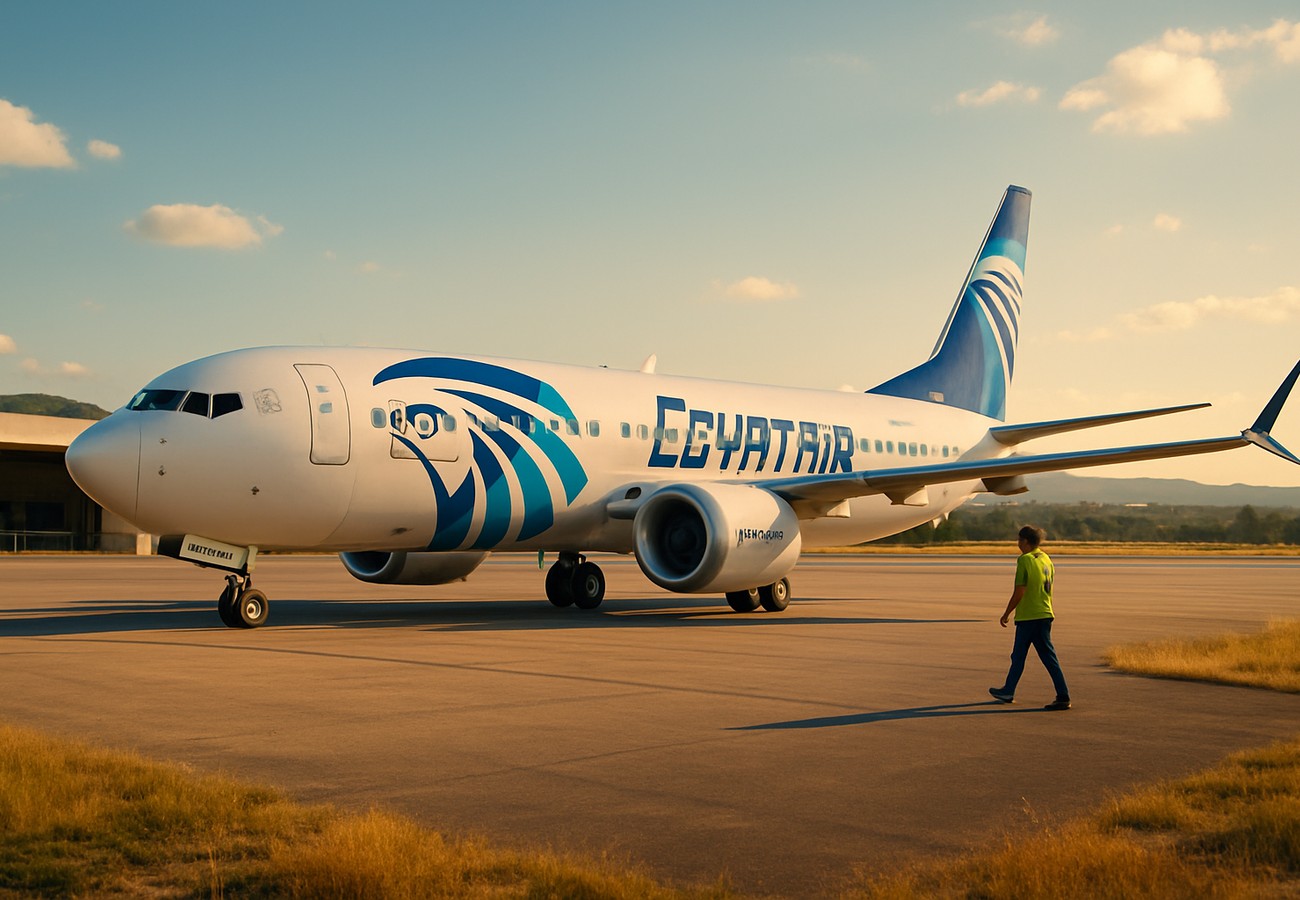
Image generated by AI
EgyptAir, the national carrier of Egypt, has reached a significant milestone in its multi-year fleet renewal program with the successful delivery of its first Boeing 737 MAX. This new addition to the fleet is more than just a new aircraft; it represents a fundamental shift toward operational efficiency and environmental sustainability for the North African giant.
The delivery ceremony, held at Cairo International Airport (CAI), was attended by senior aviation officials and representatives from Boeing, highlighting the long-standing partnership between the two organizations.
The 737 MAX: Efficiency and Environmental Impact
The Boeing 737 MAX is a cornerstone of EgyptAir’s strategy to modernize its narrow-body fleet and reduce its carbon footprint in line with global aviation goals for 2026.
Key Performance Improvements:
- Fuel Efficiency: The 737 MAX offers a 20% reduction in fuel use and CO2 emissions compared to the aircraft it replaces.
- Noise Reduction: The aircraft features a 50% smaller noise footprint, making it ideal for operating in noise-sensitive European and African airports.
- Enhanced Range: With an increased range, EgyptAir can now operate the 737 MAX on longer regional routes to Sub-Saharan Africa and Southern Europe that previously required larger, less efficient aircraft.
EgyptAir’s Narrow-Body Fleet Roadmap
| Aircraft Type | Current Status | Role in the Network |
|---|---|---|
| Boeing 737 MAX | First Delivery | Primary regional workhorse; high-frequency routes. |
| Boeing 737-800 | Existing Fleet | Transitioning to secondary routes and cargo conversions. |
| Airbus A220-300 | Active | Serving thin regional and domestic routes with high efficiency. |
Supporting Sustainable Aviation Growth in Egypt
The arrival of the 737 MAX is part of Egypt’s broader "Aviation 2030" vision, which aims to position Cairo as a sustainable and efficient hub between Africa, Europe, and the Middle East.
- Reducing Emissions: By deploying more fuel-efficient jets, EgyptAir is significantly lowering its total emissions, a critical factor for maintaining access to European markets under the EU’s widening environmental mandates.
- Operational Savings: The lower maintenance and fuel costs of the MAX fleet will allow EgyptAir to remain competitive in the face of rising global energy prices.
- Enhanced Passenger Experience: The new aircraft features the "Boeing Sky Interior," offering passengers a more spacious cabin, larger overhead bins, and modern LED lighting systems.
Advice for Travelers Flying EgyptAir in 2026
If you are planning to fly with EgyptAir this summer:
- Look for the MAX Symbol: When booking on the EgyptAir website, look for the "737 MAX" symbol in the flight details to experience the newest cabin features.
- Cairo Transit: The new aircraft are optimized for the Cairo hub’s rapid transit operations. If you are connecting to Sub-Saharan Africa, the 737 MAX provides a comfortable narrow-body experience for 5-6 hour flights.
- Sustainability Awareness: Travelers are increasingly able to view the "CO2 per seat" metric on EgyptAir’s booking engine, allowing you to choose the most environmentally friendly flight options.
Related Travel Guides
- Global Fuel Crisis: Why Fleet Efficiency is More Critical Than Ever
- The Free Zone Revolution: Cairo Airport’s Economic Growth
- Air Algerie Launches New Manchester-Algiers Direct Route
Dubai International Airport (DXB) has set a new global benchmark for operational resilience in May 2026. Despite facing a staggering 114 missile alerts and significant regional volatility, the world's busiest international hub has maintained its full flight schedule, with Emirates, flydubai, and other global carriers continuing to operate with minimal disruption.
This achievement highlights the advanced security infrastructure and sophisticated air traffic management systems that the UAE has implemented to safeguard its status as the world’s primary transit gateway.
Defying the Chaos: DXB’s Security Shield
The ability of DXB to remain open during periods of regional tension is a result of years of investment in both physical security and digital "flight corridor" technology.
Key Pillars of Resilience:
- Advanced Integrated Defense: The UAE’s multi-layered defense systems ensure that the immediate airspace around DXB remains one of the most protected in the world.
- Real-Time Airspace Rerouting: Air traffic controllers at DXB have implemented a "dynamic corridor" system, allowing aircraft to be rerouted around active volatility zones within seconds without canceling flights.
- Communication Transparency: Emirates and flydubai have been praised for their proactive communication with passengers, providing real-time safety updates and maintaining confidence in the Dubai hub.
Operational Performance Snapshot (May 5, 2026)
| Metric | Status | Significance |
|---|---|---|
| On-Time Performance | 92% | Exceptionally high despite regional routing detours. |
| Cancellations | 0.4% | Far lower than European or North American hubs today. |
| Transit Efficiency | 100% | Bag transfer and connection times remain within 60-minute targets. |
Why the Global Aviation Industry is Watching Dubai
The success of DXB in 2026 is providing a blueprint for other global hubs facing geopolitical or environmental instability.
- The "Safe Harbor" Effect: While other regional airports have seen temporary closures, DXB has acted as a "Safe Harbor," accepting diverted aircraft and maintaining the flow of global trade and people.
- Economic Stability: The resilience of the aviation sector is critical for the UAE’s economy. By keeping the airport open, the government has ensured that tourism and the Airport-Linked Free Zones (as previously reported) continue to function at full capacity.
- Technological Leadership: DXB’s use of AI-driven threat assessment and automated ground operations has allowed it to scale its resilience more effectively than any other airport in history.
Advice for Travelers Transiting via Dubai
If you are scheduled to travel through or visit Dubai today:
- Travel with Confidence: The current data shows that DXB remains one of the safest and most reliable airports globally, despite the broader regional context.
- Check Your Airline App: Emirates and flydubai provide the most accurate real-time updates for any minor schedule adjustments due to rerouting.
- Arrive for Layovers as Normal: All world-class amenities at DXB, including the "Sleep Pods," luxury shopping, and lounges, are operating at 100% capacity.
- Verify Flight Paths: If you are curious about your specific flight path, most long-haul Emirates flights now offer live flight tracking with updated route maps showing the "Safety Corridors" in use.
Related Travel Guides
Disclaimer
This article is for informational and educational purposes only. It does not constitute legal, financial, or professional advice. While we strive to provide accurate and up-to-date information, travel policies, regulations, and conditions change rapidly. Always verify information with official sources before making travel decisions. Nomad Lawyer makes no representations about the accuracy, reliability, completeness, or suitability of the information provided. Readers should consult qualified professionals for advice specific to their circumstances. The views expressed in this article are those of the author and do not necessarily reflect the views of Nomad Lawyer.
Kunal K Choudhary
Co-Founder & Contributor
A passionate traveller and tech enthusiast. Kunal contributes to the vision and growth of Nomad Lawyer, bringing fresh perspectives and driving the community forward.
Learn more about our team →