
North America's Ebola Alert: FIFA World Cup 2026 Travel Rules
Mexico, US, and Canada announce coordinated Ebola travel restrictions ahead of FIFA World Cup 2026, implementing entry bans and quarantine protocols for visitors from high-risk African nations.

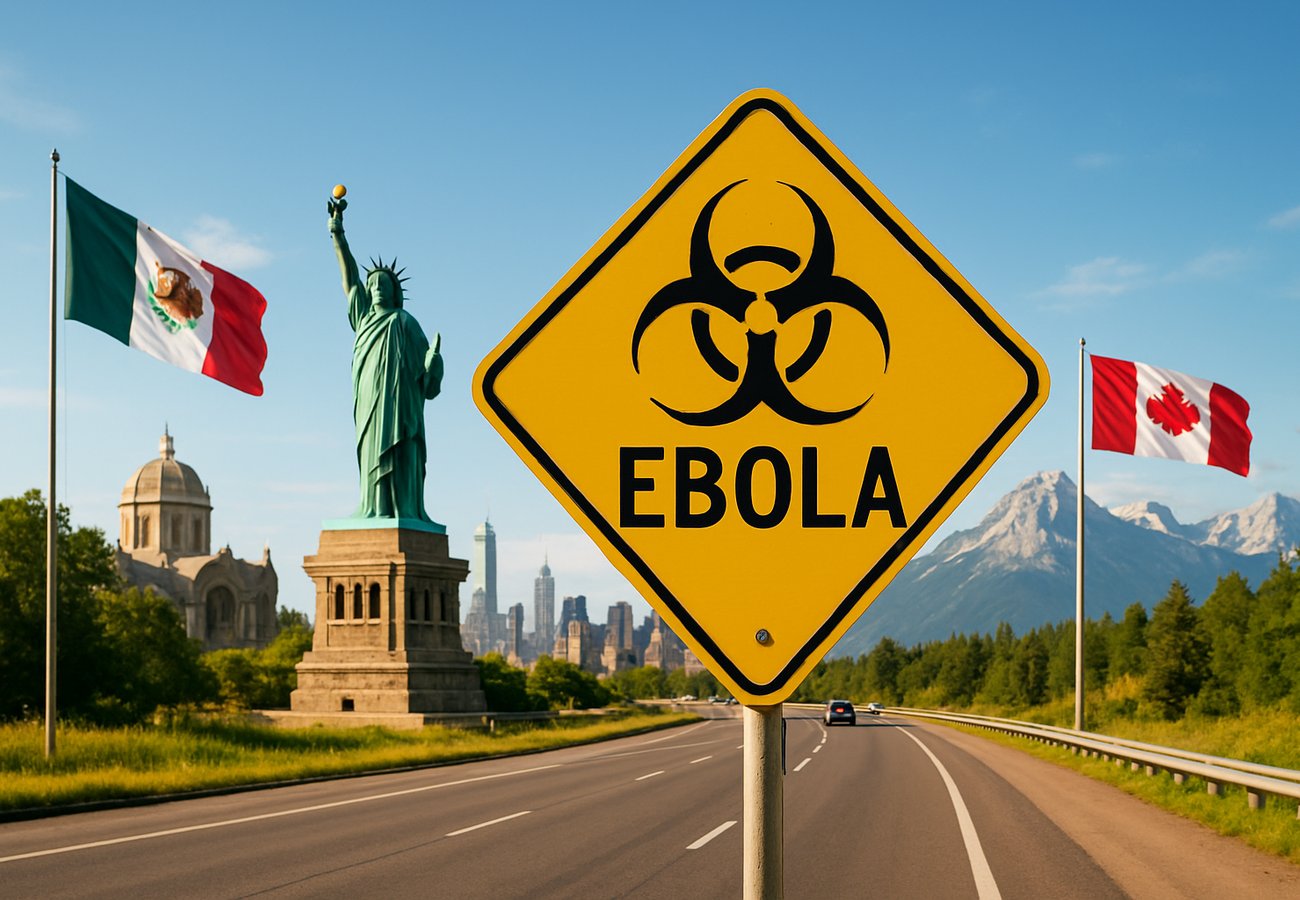
Image generated by AI
On May 17, the World Health Organization declared the Ebola outbreak in the Democratic Republic of Congo a Public Health Emergency of International Concern—and three days later, the response shifted from warnings to enforcement. Mexico, the United States, and Canada announced an unprecedented trilateral public health agreement, coordinating travel restrictions for arrivals from high-risk African regions ahead of the FIFA World Cup 2026. This marks the most aggressive unified response to an infectious disease threat during a major sporting event in decades.
What started as an epidemiological alert has now become a geopolitical and logistical challenge for the tourism industry. Millions of fans, athletes, and international visitors were already planning their trips to North America—now they're facing new border protocols that could reshape global travel flows for the next six months.
The WHO's Emergency Declaration Changed Everything
The World Health Organization's formal declaration on May 17, 2026, sent shockwaves through global health systems and tourism ministries. The outbreak in the Democratic Republic of Congo posed "high risk for spread to neighboring countries," according to WHO officials, triggering immediate government action across continents.
Rather than wait for further guidance, the three World Cup host nations recognized an opportunity—and a responsibility. By implementing aligned health measures before cases spread internationally, they could protect both public health and their tourism investments. The joint statement emphasized that "health and safety of every person in the region remains the highest priority."
Reddit: "This is actually smart policy—coordinating health responses across borders before an event that attracts 3 million+ visitors." — r/travel
United States: Comprehensive Entry Ban and Visa Suspension
The U.S. moved fastest and most decisively. Washington enacted a broad prohibition preventing non-citizens who visited the Democratic Republic of Congo, Uganda, or South Sudan in recent weeks from entering the country. On Friday, the Centers for Disease Control and Prevention expanded the restriction to include green card holders who traveled to these countries within the previous 21 days.
The Department of Homeland Security and CDC are coordinating enforcement at all entry points, including airports serving World Cup host cities like Dallas, Kansas City, and Los Angeles. Immigration authorities have temporarily suspended visa applications from all three affected nations, effectively halting tourism visa processing. This represents the most significant Ebola-related travel restriction the U.S. has implemented since the 2014-2016 outbreak.
Canada's Ninety-Day Quarantine: Stricter Than the US
Canada took an even harder line. The country has prohibited residents of DRC, Uganda, and South Sudan from entering for 90 days, effective May 28, 2026. But Canadian citizens, permanent residents, and other foreign nationals who recently visited these areas face a mandatory 21-day quarantine starting May 30—even if they show no symptoms.
Health Minister Marjorie Michel explicitly tied the decision to the FIFA World Cup, stating it was made "in alignment with the US and Mexico as all three countries begin hosting 2026 FIFA World Cup games." This candid political motivation—using a health emergency as justification for World Cup preparation—drew attention from health policy experts who questioned whether the measures were proportionate to actual risk.
Immigration authorities have suspended applications from affected countries, directly impacting African tourism to Canadian destinations like Toronto, Vancouver, and Montreal.
Mexico's Balanced Airport Screening Approach
Mexico's Health Secretary David Kershenovich took a middle path. The government announced stricter Ebola screening at all airports serving World Cup host cities, while requesting travelers from the DRC to observe a 21-day quarantine. Mexico urged the public to avoid travel to the affected nation entirely.
The Mexican Ministry of Health emphasized a "balanced approach"—maintaining strict health controls for high-risk travelers while minimizing disruption to tourism from safe regions. This nuanced strategy reflects Mexico's economic dependence on international tourism and the FIFA World Cup's significance to the country.
A Coordinated Response With One Complication
The WHO had actually warned against such travel restrictions, suggesting they were "fueled by fear rather than science." But the three host nations proceeded anyway. Their unified stance—unusual in international relations—demonstrates how major sporting events can drive rapid government coordination on health policy, regardless of expert recommendations.
The decision affects millions of travelers from East and Central Africa. Tourism operators serving these markets are now revising business plans, while airline companies are adjusting flight schedules. Border officials across three nations are implementing new screening protocols during peak pre-World Cup travel season.
Tourism Industry Adaptation: A Race Against Time
Airlines, hotels, and tour operators across North America are scrambling to adapt. Many tourism businesses have shifted marketing strategies away from affected African regions toward markets with no travel restrictions. Tourism boards are simultaneously working to reassure visitors from unaffected nations that the World Cup remains safe and accessible.
For the tourism industry, the equation is stark: these health measures may prevent disease spread, but they'll also redirect millions of tourist dollars away from certain markets. Airlines are revising revenue projections, hotels are adjusting booking assumptions, and destination marketing organizations are reframing their narratives around health security.
"The coordinated health measures aim to maintain trade and travel across borders while preventing Ebola spread," officials stated—acknowledging the tension between commercial activity and infectious disease containment that defines modern international travel.
What This Means for Your World Cup Plans
If you're traveling to the FIFA World Cup 2026 from the Democratic Republic of Congo, Uganda, or South Sudan: expect entry denial in the US, a 90-day ban in Canada, and mandatory screening/quarantine in Mexico. Visa applications are suspended.
If you're traveling from anywhere else: proceed normally, but expect enhanced health screening at North American airports and border crossings. Carry your vaccination records and be prepared for health questionnaires.
For tourism professionals: the CDC's travel health notices and official World Cup venue information should be your reference points during this period.
The World Cup 2026 will still be the largest sporting event on the continent. But it will be the first FIFA World Cup operating under active infectious disease travel restrictions—a precedent that may reshape how international sporting events manage public health for decades to come.
The intersection of public health, politics, and tourism has never been more visible than at the border.
Related Travel Guides
Boeing's 737 MAX 10 Faces Prolonged Certification Delays Despite 1,400+ Orders Backing Production
Sun Country Airlines Livery Gets Bold 1990s Retro Makeover in 2026
Disclaimer
This article is for informational and educational purposes only. It does not constitute legal, financial, or professional advice. While we strive to provide accurate and up-to-date information, travel policies, regulations, and conditions change rapidly. Always verify information with official sources before making travel decisions. Nomad Lawyer makes no representations about the accuracy, reliability, completeness, or suitability of the information provided. Readers should consult qualified professionals for advice specific to their circumstances. The views expressed in this article are those of the author and do not necessarily reflect the views of Nomad Lawyer.
Raushan Kumar
Founder & Lead Developer
Full-stack developer with 11+ years of experience and a passionate traveller. Raushan built Nomad Lawyer from the ground up with a vision to create the best travel and law experience on the web.
Learn more about our team →