
Boeing's 737 MAX 10 Faces Prolonged Certification Delays Despite 1,400+ Orders Backing Production
Breaking airline news and aviation industry updates for 2026.

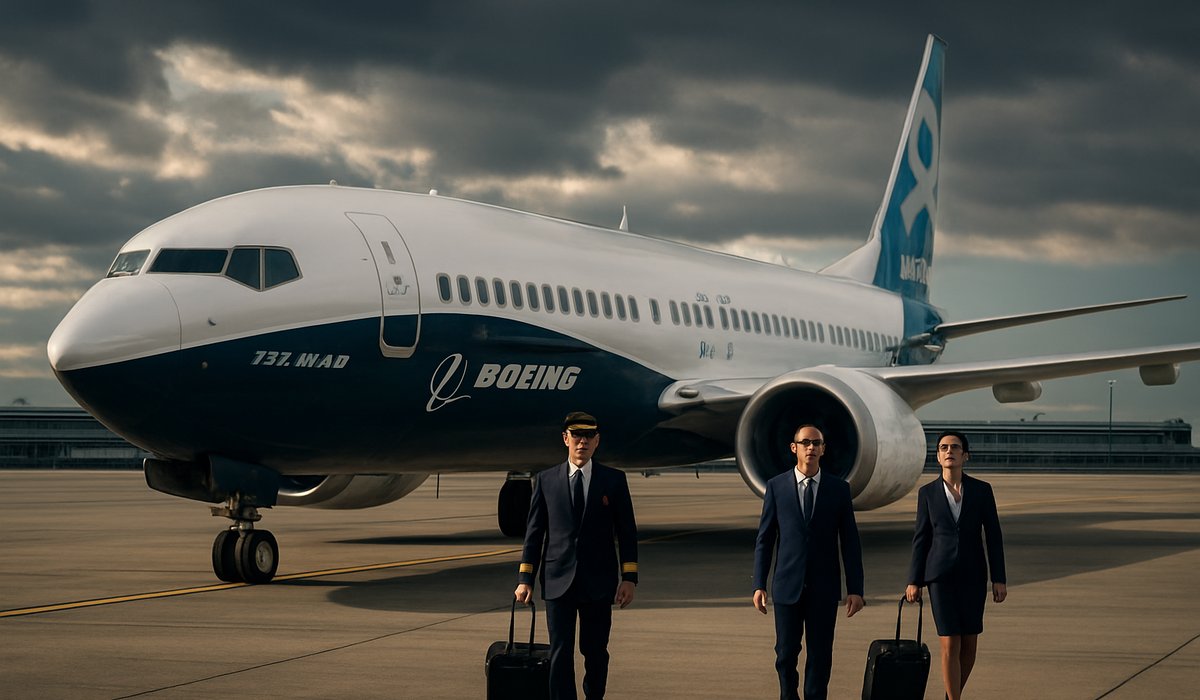
Image generated by AI
Boeing's 737 MAX 10 Faces Prolonged Certification Delays Despite 1,400+ Orders Backing Production
Despite advancing to final regulatory stages, the aircraft remains years away from commercial service as supply chain and regulatory hurdles persist
Certification Progress Masks Deeper Production Challenges
Boeing has moved closer to securing full regulatory approval for its 737 MAX 10, with the Federal Aviation Administration granting Type Inspection Authorization 2 status in its first-quarter financial disclosures. The milestone marks a critical advancement in the aircraft's certification pathway, yet industry analysts warn that the backlog of over 1,400 firm orders will not translate into actual deliveries until well into 2027 at the earliest—disappointing airlines banking on the fuel-efficient narrowbody jet to modernize fleets and reduce operational costs.
The achievement, while technically significant, represents only the penultimate phase of what has become an extraordinarily protracted approval process. A single regulatory hurdle remains before Boeing can officially deliver the first aircraft to customers, yet that final checkpoint carries implications far beyond simple paperwork compliance.
Why Orders Don't Equal Imminent Production
The substantial order book—accumulated from carriers across North America, Europe, and Asia-Pacific—suggests robust market confidence in the aircraft's economics and capabilities. However, securing FAA Type Inspection Authorization does not automatically translate to aircraft rolling off production lines. Boeing faces systemic manufacturing challenges that regulatory approval cannot resolve alone.
Supply chain disruptions, persistent quality control issues at the manufacturer's facilities, and production rate constraints continue to plague the aviation giant. These operational bottlenecks have become defining characteristics of Boeing's recovery following multiple 737 MAX crashes and the subsequent grounding that devastated the program's timeline and reputation.
Industry Implications and Competitive Pressure
The delays carry significant ramifications across the global aviation sector. Airlines operating aging single-aisle fleets face mounting pressure to replace aging aircraft amid rising jet fuel prices and environmental regulations. Airbus, Boeing's primary rival, continues capturing market share with its A320 family while Boeing grapples with certification and production scaling.
The postponement affects not just Boeing's financial recovery but also the broader aviation supply ecosystem, including engine manufacturers, component suppliers, and the skilled workforce required for assembly and testing operations.
What Comes Next
Once final certification arrives—a formality increasingly expected in 2026 rather than 2025—Boeing must still coordinate delivery logistics, crew training programs, and regulatory compliance procedures with individual operators worldwide. Each step compounds the timeline before paying customers receive aircraft they have already purchased and financed.
FAQ: Boeing 737 MAX 10 Certification and Aviation Industry Impact
Q: When will the Boeing 737 MAX 10 actually enter commercial service? A: Despite progressing through FAA certification phases, industry sources indicate deliveries will not commence until 2027 at the earliest, with widespread availability several years beyond that date.
Q: How many airlines have ordered the 737 MAX 10? A: Over 1,400 firm orders have been placed from carriers globally, representing substantial market demand once production capacity meets delivery timelines.
Q: What is delaying the 737 MAX 10 beyond regulatory certification? A: Supply chain constraints, manufacturing quality assurance processes, and production rate limitations at Boeing facilities remain the primary obstacles, independent of FAA approval status.
Q: How do these delays affect airline operations and travel costs? A: Extended delivery timelines force carriers to maintain aging fleets longer, increasing operational expenses, maintenance costs, and potentially contributing to higher ticket prices and baggage charges as airlines offset fuel inefficiencies.
Q: Is Airbus benefiting from Boeing's 737 MAX 10 delays? A: Yes; the delays provide competitive advantage to Airbus's A320 family program, allowing the European manufacturer to capture market share among airlines seeking replacement aircraft for aging narrowbody fleets.
Related Travel Guides
Flight Delay Compensation Guide 2026
Understanding Airline Route Changes
Airport Security Process Updated (2026)
External Resources
Disclaimer
This article is for informational and educational purposes only. It does not constitute legal, financial, or professional advice. While we strive to provide accurate and up-to-date information, travel policies, regulations, and conditions change rapidly. Always verify information with official sources before making travel decisions. Nomad Lawyer makes no representations about the accuracy, reliability, completeness, or suitability of the information provided. Readers should consult qualified professionals for advice specific to their circumstances. The views expressed in this article are those of the author and do not necessarily reflect the views of Nomad Lawyer.
Kunal K Choudhary
Co-Founder & Contributor
A passionate traveller and tech enthusiast. Kunal contributes to the vision and growth of Nomad Lawyer, bringing fresh perspectives and driving the community forward.
Learn more about our team →