
FIFA World Cup 2026 Travel Guide: How US Cities From New York to Los Angeles Are Preparing for Record-Breaking Global Football Tourism
FIFA World Cup 2026 will trigger unprecedented travel demand across North America. Learn how US host cities, airlines, and visa systems are preparing for millions of international football fans.

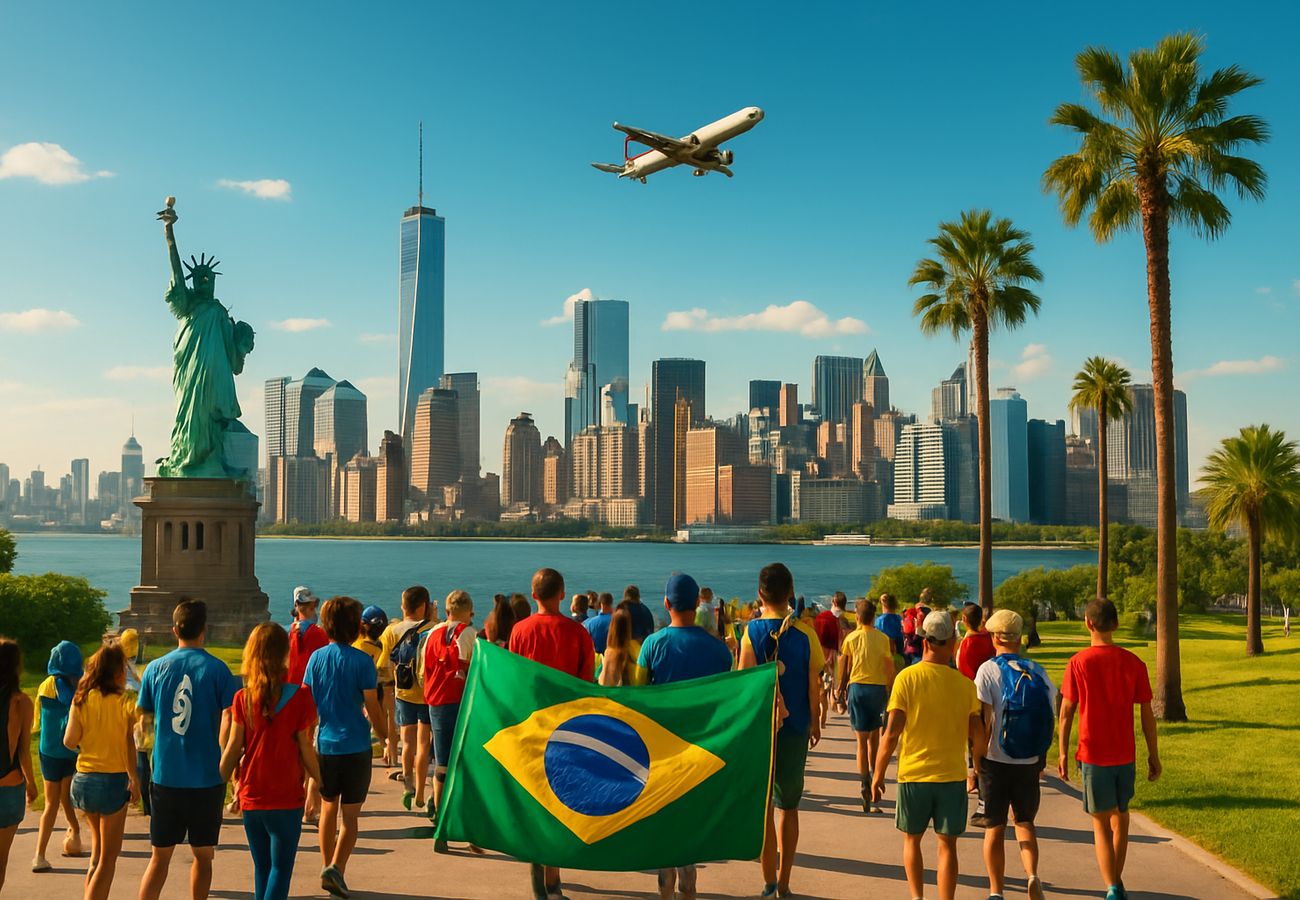
Image generated by AI
Understanding the Scale: A Historic Travel Event
The FIFA World Cup 2026 is poised to trigger one of the largest international travel movements in modern history. Millions of football fans from across continents are preparing to travel to North America, with the tournament hosted across the United States, Canada, and Mexico. The USA will receive the highest number of matches and visitors, making this event not only a sporting milestone but also a transformative tourism driver.
Airlines, hotels, and travel operators are already mobilizing to meet unprecedented demand. The scale of this movement will affect every segment of the travel industry—from airport congestion to accommodation shortages. For international visitors, planning ahead is no longer optional; it's essential.
Major US Host Cities Gearing Up for Global Visitors
Several major American cities are preparing to welcome global fans during the tournament period. Key host cities include:
- New York
- Los Angeles
- Miami
- Dallas
- Additional major metropolitan areas
These urban centers are experiencing sharp rises in anticipated arrivals and are actively upgrading their infrastructure. Local initiatives include:
- Transport system expansions to handle increased passenger volumes
- Hotel capacity increases across all price ranges
- Enhanced visitor services and multilingual support
- Fan zones and public viewing areas in central locations
However, demand is expected to exceed normal peak-season levels significantly. Travelers may face limited availability in central locations, making early booking essential. Staying in nearby suburbs or secondary cities may become a practical alternative for many visitors seeking better availability and potentially lower costs.
Visa Processing and Entry Requirements: Start Now
One of the most critical aspects of World Cup 2026 travel planning is visa preparation. International visitors heading to the United States must ensure their travel documents are in order well before departure.
Key visa considerations:
- Visa appointment slots are expected to be highly competitive due to increased demand
- Electronic travel authorization systems may be available depending on nationality
- Early application is strongly recommended to avoid delays or rejection risks
- Processing times may increase closer to the event due to high volumes
- Regular checks of official government updates are essential for entry rule changes
According to the U.S. Department of State, travelers should begin visa applications as early as possible. The IATA also recommends verifying all travel document requirements with official authorities before booking flights.
Domestic Transport: Managing Movement Across Host Cities
Internal travel within the United States will play a major role during the tournament. With matches spread across multiple cities, fans will rely heavily on:
- Air travel (domestic flights)
- Rail systems (Amtrak and regional networks)
- Long-distance buses (Greyhound and regional carriers)
Transport demand expectations:
| Transportation Mode | Expected Impact | Recommendation |
|---|---|---|
| Domestic Flights | Prices expected to rise during peak match days | Book early; remain flexible with dates |
| Rail Networks | May become preferred alternative for some routes | Consider as cost-effective option |
| Long-Distance Buses | Increased passenger volumes and potential congestion | Book in advance |
Major transport providers are preparing for higher passenger volumes and potential congestion. Travelers are advised to:
- Remain flexible with travel dates and times
- Book intercity transport early to reduce costs and stress
- Expect delays during peak travel windows, especially in cities hosting key matches or knockout fixtures
Beyond the Stadium: Exploring America's Diverse Attractions
While football will be the main attraction, the World Cup 2026 offers travelers a unique opportunity to explore the cultural and natural diversity of the United States. Extended stays beyond match schedules are expected to be common.
Regional attractions by host city:
- New York: Iconic landmarks, world-class museums, and vibrant city life
- Los Angeles: Beaches, entertainment districts, and Hollywood attractions
- Miami: Nightlife, coastal relaxation, and Caribbean culture
- Dallas: Southern hospitality, cultural institutions, and regional cuisine
- National parks and mountain regions: Scenic road trips and outdoor adventures
Tourism experts believe this extended travel pattern will create a significant boost for regional destinations outside major host cities. The tournament will therefore become both a sports and leisure travel experience, benefiting communities across the country.
What This Means for Travelers
International visitors attending the FIFA World Cup 2026 should prepare for:
- Higher accommodation costs in central locations
- Increased flight prices during peak match days
- Limited availability for last-minute bookings
- Longer processing times for visas and entry documentation
- Potential transport delays in host cities
The key to a successful trip is early planning and flexible scheduling.
Managing Costs: Smart Budget Planning for World Cup Travel
Travel demand during the World Cup 2026 period will likely lead to higher costs across flights, hotels, and daily expenses. Strategic financial planning is essential.
Cost management strategies:
- Early bookings provide the best value for money
- Last-minute arrangements may become significantly more expensive
- Budget planning is essential for fans attending multiple matches
- Set aside funds for local transport, food, and entertainment
- Travel insurance is strongly recommended to cover unexpected disruptions
Despite rising costs, many fans consider the experience worth the investment. The key is to prepare early and avoid peak price periods whenever possible. Consider:
- Booking accommodations 3-6 months in advance
- Purchasing domestic transport tickets early
- Setting daily spending budgets for food and activities
- Securing comprehensive travel insurance coverage
A Global Tourism Phenomenon Reshaping North America
The FIFA World Cup 2026 represents far more than a sporting event. It is a global travel phenomenon that will reshape tourism patterns across North America. The United States is preparing for an unprecedented inflow of international visitors, which will test infrastructure and hospitality systems while presenting major opportunities for cultural exchange and tourism growth.
Travelers will not only witness football at the highest level but also experience diverse American destinations. The success of this event will depend on coordinated preparation across airlines, hotels, transport providers, and government agencies—all working to ensure a seamless experience for millions of international visitors.
By starting your planning now—securing visas, booking accommodations, and arranging transport—you can ensure a smooth and memorable World Cup 2026 experience.
Related Travel Guides
Disclaimer
This article is for informational and educational purposes only. It does not constitute legal, financial, or professional advice. While we strive to provide accurate and up-to-date information, travel policies, regulations, and conditions change rapidly. Always verify information with official sources before making travel decisions. Nomad Lawyer makes no representations about the accuracy, reliability, completeness, or suitability of the information provided. Readers should consult qualified professionals for advice specific to their circumstances. The views expressed in this article are those of the author and do not necessarily reflect the views of Nomad Lawyer.
Kunal K Choudhary
Co-Founder & Contributor
A passionate traveller and tech enthusiast. Kunal contributes to the vision and growth of Nomad Lawyer, bringing fresh perspectives and driving the community forward.
Learn more about our team →