
EasyJet Resumes Merger Negotiations With US Investment Firm After Rejecting $6.4 Billion Bid
Breaking airline news and aviation industry updates for 2026.

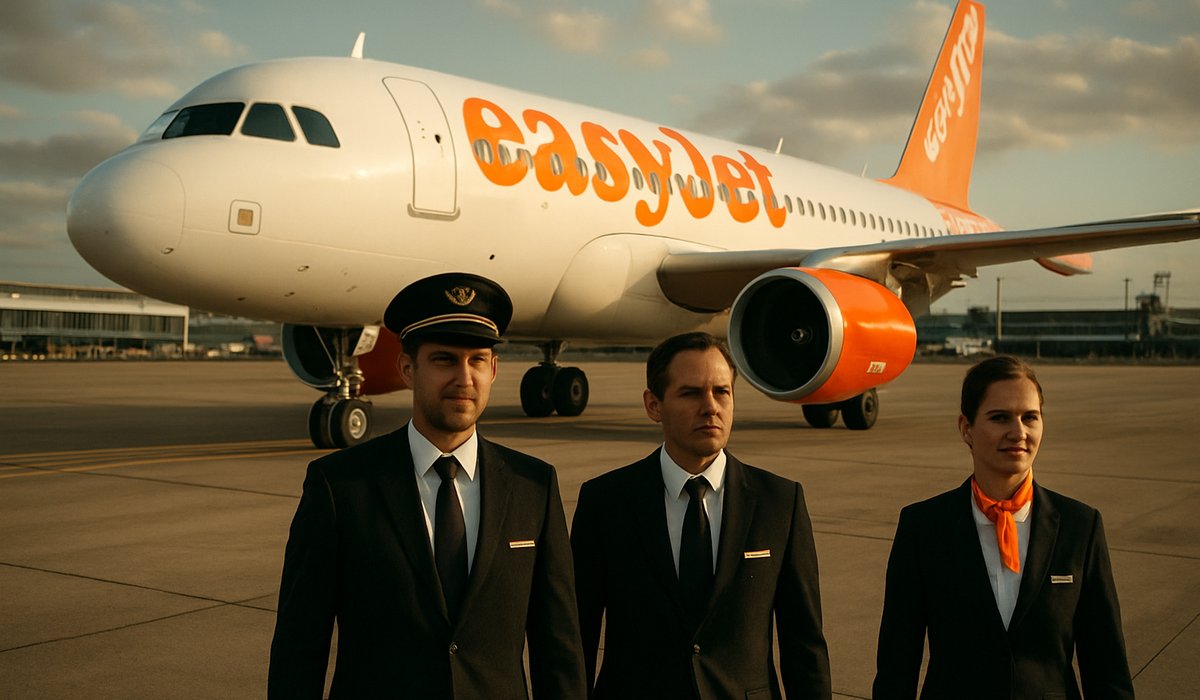
Image generated by AI
EasyJet Resumes Merger Negotiations With US Investment Firm After Rejecting $6.4 Billion Bid
European budget carrier signals openness to revised proposal despite initial rejection, keeping takeover process alive
Deal Talks Restart Amid Valuation Dispute
EasyJet has resumed negotiations with American investment firm Castlelake following an earlier rejection of a £4.9 billion ($6.4 billion) acquisition proposal, signaling that the door remains open for a revised offer despite fundamental disagreement over the airline's worth. The budget carrier's decision to reengage—including granting the prospective buyer access to limited commercial data—indicates that formal discussions have shifted from stalemate to active dialogue, raising fresh questions about the future of Europe's second-largest low-cost airline.
The about-face comes just weeks after easyJet's board firmly dismissed Castlelake's initial bid as materially inadequate, citing concerns that the valuation failed to reflect the company's true market value and strategic potential. However, the reopening of talks suggests board members view Castlelake as a serious contender willing to negotiate terms rather than a one-shot bidder.
Strategic Implications for the Aviation Sector
The revival of merger discussions carries significant weight for the broader aviation industry, which continues navigating post-pandemic recovery while managing volatile jet fuel prices and rising operational costs that have forced carriers to implement higher baggage charges and ancillary airline fees across European and global markets.
EasyJet, which operates more than 300 aircraft and serves 130 destinations across Europe, has faced mounting pressure to reduce debt and modernize its fleet amid intensifying competition and inflationary pressures affecting the aviation industry. A successful acquisition by a well-capitalized investor could provide the financial flexibility necessary to accelerate fleet renewal and maintain competitive advantage in the crowded budget airline segment.
Financial Context and Industry Trends
The carrier's willingness to negotiate—despite rejecting Castlelake's initial offer—reflects realistic assessment of market conditions. With jet fuel prices remaining elevated and airlines worldwide grappling with sustained cost pressures, institutional investment in struggling carriers has become increasingly attractive to private equity and specialist aviation investors seeking long-term value.
Castlelake's renewed push for easyJet comes as the aviation sector witnesses accelerating consolidation. The investment firm's persistence suggests confidence in easyJet's underlying operational fundamentals and recovery trajectory, even if current valuation misalignments require resolution.
The airline has not disclosed specific terms or timelines for current discussions, but insiders indicate that Castlelake must substantially increase its proposal to overcome board objections. Any revised bid would need to demonstrate meaningful value creation for shareholders while addressing easyJet's substantial debt burden.
What Happens Next?
Industry observers expect an announcement regarding formal progress—or breakdown—in negotiations within the coming weeks, as both parties navigate due diligence requirements and valuation frameworks.
FAQ: EasyJet Takeover and Aviation Industry Trends
What is Castlelake, and why does it want to acquire easyJet? Castlelake is a US-based investment firm specializing in aviation assets. The company likely views easyJet as an undervalued platform with strong market position, fleet modernization opportunities, and significant cost-reduction potential—particularly in baggage charges and ancillary revenue optimization.
Why did easyJet initially reject the $6.4 billion offer? EasyJet's board determined the bid undervalued the airline's strategic worth, market position, and growth potential. The rejection reflected confidence that the company could negotiate better terms or pursue independent recovery strategies.
How do jet fuel prices affect airline acquisition valuations? Lower fuel costs increase airline profitability and cash flow, making companies more attractive acquisition targets. However, volatile fuel markets create valuation uncertainty, which can delay or complicate takeover negotiations.
What impact would a Castlelake acquisition have on passenger fares and fees? Private equity ownership typically drives cost optimization and enhanced ancillary revenue generation—meaning passengers could face higher baggage charges and stricter seat selection policies, though fares themselves might remain competitive.
Is consolidation accelerating in European budget airlines? Yes. Rising operational costs, jet fuel volatility, and post-pandemic debt burdens have intensified M&A activity among European carriers, with specialist aviation investors increasingly seeking stakes in budget operators with strong market positions.
Related Travel Guides
External Resources
Disclaimer
This article is for informational and educational purposes only. It does not constitute legal, financial, or professional advice. While we strive to provide accurate and up-to-date information, travel policies, regulations, and conditions change rapidly. Always verify information with official sources before making travel decisions. Nomad Lawyer makes no representations about the accuracy, reliability, completeness, or suitability of the information provided. Readers should consult qualified professionals for advice specific to their circumstances. The views expressed in this article are those of the author and do not necessarily reflect the views of Nomad Lawyer.
Preeti Gunjan
Contributor & Community Manager
A passionate traveller and community builder. Preeti helps grow the Nomad Lawyer community, fostering engagement and bringing the reader experience to life.
Learn more about our team →