
American Airlines Accelerates Cabin Modernization as San Francisco Airport Faces Unprecedented Operational Crisis
Breaking airline news and aviation industry updates for 2026.

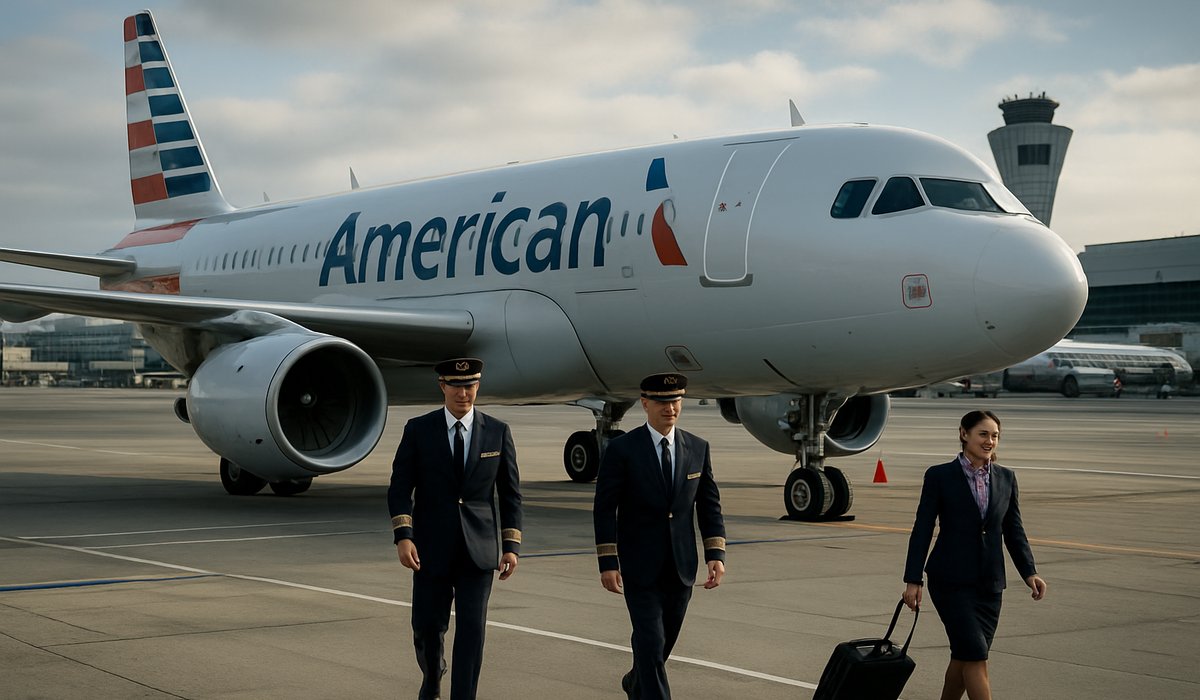
Image generated by AI
American Airlines Accelerates Cabin Modernization as San Francisco Airport Faces Unprecedented Operational Crisis
Major U.S. carrier invests heavily in narrow-body fleet overhauls while West Coast hub grapples with quadrupling departure delays
American Airlines Launches Ambitious Aircraft Retrofit Program
American Airlines is undertaking a significant fleet modernization initiative, retrofitting its Airbus A319 and A320 narrow-body aircraft with enhanced cabin features designed to improve passenger experience and competitive positioning in an increasingly crowded domestic market. The retrofit program represents a strategic investment as the carrier seeks to differentiate its short and medium-haul offerings during a period of intensifying airline competition and evolving traveler expectations.
The modernization effort comes as the aviation industry navigates persistent challenges including elevated operational costs driven by fluctuating jet fuel prices and increased maintenance expenses. By upgrading its single-aisle fleet—the workhorse of domestic aviation—American Airlines aims to capture premium cabin revenue while justifying potential baggage fees and ancillary charges that have become standard across the industry.
San Francisco Operations Deteriorate Amid Cascading Delays
Parallel to American's investment strategy, San Francisco International Airport (SFO) is experiencing a operational meltdown, with departure delays surging to four times their historical average. The dramatic spike in flight disruptions threatens to undermine airline schedules throughout California's most critical aviation hub and create cascading delays across the national network.
Airport officials have attributed the surge to infrastructure constraints, staffing challenges, and increased traffic volume. The situation carries significant implications for airlines' operational reliability metrics and passenger satisfaction scores, both critical factors influencing market competitiveness and customer loyalty in the post-pandemic travel recovery.
Broader Aviation Industry Implications
The contrast between American Airlines' strategic capital investments and operational disruptions at major hubs illustrates the complex pressures confronting the aviation sector. While carriers invest in fleet modernization to support revenue growth and enhanced service offerings, external factors—including airport infrastructure limitations and labor availability—threaten to undermine operational efficiency.
Industry analysts note that unresolved capacity constraints at congested airports like SFO risk dampening growth projections and forcing carriers to absorb unexpected costs through schedule padding and inefficient route planning. These operational inefficiencies ultimately manifest in higher travel costs for consumers and reduced competitive pressure that may sustain elevated airline fees.
American Airlines' retrofit initiative demonstrates confidence in domestic travel demand recovery, yet operational challenges at critical West Coast gateways present a counterbalancing headwind to the carrier's expansion and revenue optimization strategies.
FAQ: Your Pressing Questions About Airline Operations and Travel Costs
Q: How do aircraft retrofits impact airline baggage fees and ancillary charges? A: Modern cabin configurations enable airlines to offer premium seating and enhanced amenities, justifying higher ticket prices and ancillary fees while retrofitted aircraft attract premium-paying passengers less sensitive to baggage charges.
Q: Why do airport delays affect jet fuel prices and overall travel costs? A: Operational delays increase aircraft turnaround times and fuel consumption, forcing airlines to absorb additional costs that often translate into higher ticket prices and baggage fees for consumers.
Q: Which U.S. airlines operate the most A319 and A320 aircraft? A: American Airlines, Southwest Airlines, and United Airlines maintain the largest narrow-body fleets in North America, making fleet modernization investments critical to competitive positioning.
Q: How do West Coast airport delays impact the broader aviation industry? A: Disruptions at major hubs like SFO create cascading delays nationwide, reduce airline schedule reliability, and force carriers to implement costly operational workarounds affecting profitability and pricing strategies.
Q: When will San Francisco airport resolve its departure delay crisis? A: Resolution depends on infrastructure expansion, staffing augmentation, and traffic management improvements—timelines remain uncertain but are critical to restoring operational efficiency.
Related Travel Guides
-
Bigger Aircraft Don't Always Deliver Superior Comfort: What Modern Aviation Research Reveals
-
Air New Zealand Restarts Perth-Christchurch Routes in Major South Island Comeback
External Resources
Disclaimer
This article is for informational and educational purposes only. It does not constitute legal, financial, or professional advice. While we strive to provide accurate and up-to-date information, travel policies, regulations, and conditions change rapidly. Always verify information with official sources before making travel decisions. Nomad Lawyer makes no representations about the accuracy, reliability, completeness, or suitability of the information provided. Readers should consult qualified professionals for advice specific to their circumstances. The views expressed in this article are those of the author and do not necessarily reflect the views of Nomad Lawyer.
Kunal K Choudhary
Co-Founder & Contributor
A passionate traveller and tech enthusiast. Kunal contributes to the vision and growth of Nomad Lawyer, bringing fresh perspectives and driving the community forward.
Learn more about our team →