easyJet Launches Direct Liverpool to Reykjavik Flights: Inside the North West's New Winter Gateway to Iceland

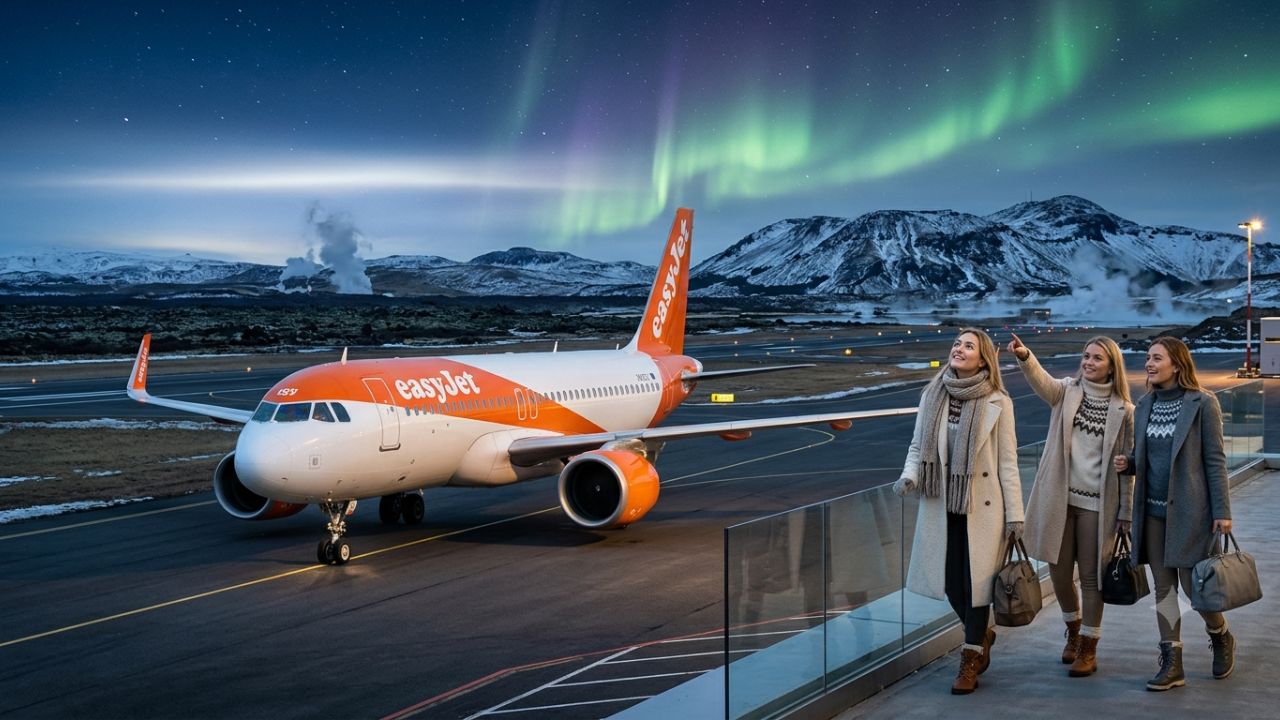
easyJet launches twice-weekly winter flights connecting Liverpool John Lennon Airport with Reykjavik, opening direct access to Iceland's geothermal spas and Northern Lights.
LIVERPOOL, November 3, 2026 — Budget carrier easyJet has officially commenced direct scheduled passenger flights between Liverpool John Lennon Airport and Reykjavik, inaugurating a dedicated twice-weekly winter air link that connects travelers across the North West of England directly with Iceland's volcanic landscapes, geothermal lagoons, and the Northern Lights. Operating every Monday and Friday throughout the 2026/2027 winter season, the non-stop route eliminates the traditional requirement for regional travelers to navigate congested London hubs or endure multi-leg flight transfers to reach the North Atlantic island nation. The launch forms part of an aggressive winter route expansion program from Liverpool, supported by the deployment of an eighth permanently based Airbus aircraft at the airport, consolidating Liverpool John Lennon Airport's position as a dynamic, accessible international gateway for cold-weather adventure tourism and high-demand European leisure travel.
[!NOTE] Key Operational Summary of the Liverpool–Reykjavik Route: easyJet operates scheduled direct flights between Liverpool John Lennon Airport (LPL) and Keflavík International Airport (KEF) twice weekly on Mondays and Fridays throughout the winter season. The schedule is structured to accommodate both three-night weekend city breaks and four-night midweek Arctic adventures. Flight bookings are available as seat-only tickets through easyJet.com or as integrated ATOL-protected travel packages via easyJet holidays, accompanied by the carrier's Book with Confidence Promise, which protects confirmed bookings against post-purchase price escalation and reaffirms schedule stability.
EASYJET LIVERPOOL (LPL) TO REYKJAVIK (KEF) ROUTE ARCHITECTURE
| [ DEPARTURE BASE: LIVERPOOL JOHN LENNON AIRPORT (LPL) ] |
|---|
| * Base Fleet: 8 permanently stationed Airbus A320-family aircraft. |
| * Regional Catchment: Merseyside, Greater Manchester, Cheshire, Lancashire, & North Wales. |
| * Airport Benefits: Rapid curb-to-gate transit, efficient security queues, streamlined baggage. |
| [ FLIGHT OPERATION & FREQUENCY ] |
| * Outbound Service: Non-stop flight to Keflavik International Airport (KEF). |
| * Flight Duration: Approximately 2 hours and 45 minutes flight time. |
| * Operational Days: Twice weekly, operating Mondays and Fridays throughout winter. |
| * Travel Profiles: 3-night weekend break (Fri-Mon) or 4-night midweek Arctic explorer (Mon-Fri). |
| [ DESTINATION GATEWAY: REYKJAVIK & THE SOUTHERN PENINSULA ] |
| * Arrival Hub: Keflavik International Airport (45 minutes southwest of central Reykjavik). |
| * Key Highlights: Northern Lights (Solar Maximum), Blue Lagoon, Sky Lagoon, & Golden Circle. |
| * Booking Flexibility: Seat-only via easyJet.com or ATOL-protected easyJet holidays packages. |
Expanding Regional Connectivity: Liverpool's Strategic Direct Link to Iceland
The introduction of direct flights between Liverpool John Lennon Airport and Reykjavik represents a major milestone for regional air connectivity across the North West of England. For decades, leisure travelers residing outside the Greater London area have faced substantial logistical friction when planning trips to Iceland. Reaching Reykjavik typically required either booking connecting flights via secondary continental hubs or embarking on exhausting surface journeys along congested motorway corridors to reach distant international departure points. By introducing non-stop point-to-point service directly from Liverpool, easyJet has removed these operational barriers, granting millions of regional residents effortless access to one of the world's most sought-after winter adventure destinations.
The geographic footprint served by Liverpool John Lennon Airport extends far beyond the immediate Merseyside metropolitan boundary. The airport functions as an accessible, user-friendly departure terminal for travelers located throughout Cheshire, Lancashire, Greater Manchester, and the northern coastal counties of Wales. For passengers in Chester, Warrington, the Wirral, or Preston, traveling to Liverpool offers substantial advantages over larger, congested multi-terminal airports. Liverpool's compact layout enables travelers to navigate from terminal drop-off through security screening and on to their departure gates in a fraction of the time required at larger international hubs, transforming the outbound travel experience into a smooth, stress-free process.
The deliberate scheduling of flights on Mondays and Fridays aligns seamlessly with modern consumer travel habits. Rather than forcing travelers to conform to rigid week-long schedules, the twice-weekly frequency unlocks two highly attractive holiday formulas. Working professionals and couples can take advantage of a three-night weekend escape, departing Liverpool on Friday morning or afternoon, immersing themselves in Iceland's geothermal culture and night-sky aurora hunting, and returning home on Monday. Alternatively, travelers seeking an extended itinerary can opt for a four-night midweek stay from Monday to Friday, taking advantage of lower mid-week accommodation rates in Reykjavik while touring southern Iceland's dramatic waterfalls and black sand beaches.
This schedule agility is driving strong initial booking volumes. Modern British holidaymakers increasingly prioritize short, high-impact experiential breaks that maximize annual leave allowances. Instead of traditional week-long sunbathing vacations, consumer preference has tilted sharply toward nature-oriented, immersive travel that offers memorable encounters with dramatic landscapes and rare natural phenomena. The Liverpool–Reykjavik route captures this cultural transition, providing the North West travel market with a direct conduit to pristine sub-Arctic wilderness without sacrificing convenience or personal time.
The surface access and transit economics surrounding Liverpool John Lennon Airport further reinforce its competitive appeal for regional flyers. Situated adjacent to the A561 dual carriageway with direct links to the Knowsley Expressway, the M57, and the Mersey Gateway bridge, the airport provides rapid highway access that bypasses the chronic traffic bottlenecks of the M6 and M62 corridors. Travelers arriving by personal vehicle benefit from affordable long-stay parking facilities located directly opposite the passenger terminal, eliminating the lengthy shuttle bus transfers that characterize larger multi-terminal facilities. Inside the building, average security wait times remain consistently under fifteen minutes, allowing passengers to move swiftly from check-in to airside departure lounges. For busy travelers seeking a seamless journey, this efficiency saves substantial time on both ends of a winter holiday.
easyJet's Liverpool Fleet Expansion: The Power of Eight Based Aircraft
The launch of the Reykjavik service is the direct operational fruit of easyJet's sustained long-term capital investment at Liverpool John Lennon Airport. Over the preceding twelve months, the budget airline systematically expanded its operational footprint at the Speke-based airport, culminating in the permanent deployment of an eighth based Airbus aircraft. Stationing a dedicated fleet of eight aircraft at a single regional base provides the critical mass required to unlock new international leisure frontiers that would otherwise be commercially unviable for seasonal operations.
EASYJET LIVERPOOL OPERATIONAL BASE & NETWORK PROFILE
| Column 1 |
|---|
| [ BASE RESOURCE ALLOCATION: 8 STATIONED AIRBUS NARROWBODY AIRCRAFT ] |
| * Fleet Mix: Airbus A320-200 and advanced, fuel-efficient Airbus A320neo variants. |
| * Local Employment: Hundreds of based pilots, cabin crew members, and engineering personnel. |
| * Operational Agility: Spare aircraft capacity mitigates European air traffic control delays. |
| [ DUAL ARCTIC WINTER EXPANSION STRATEGY (ANNOUNCED JUNE 2026) ] |
| [ YEAR-ROUND COMPREHENSIVE NETWORK REACH ] |
| * Western Europe: Premier business and cultural centers across France, Spain, Portugal, & Ireland. |
| * Mediterranean Sun: Classic coastal leisure hubs across the Balearics, Canaries, & Greece. |
| * North African Gateways: Sunny winter sun escapes connecting Liverpool to Egypt & Morocco. |
Stationing eight aircraft at Liverpool gives easyJet tremendous fleet flexibility and schedule resilience. In aviation network planning, based aircraft operate outbound morning rotations from their home airport, allowing crew members to begin and end their working shifts locally. This arrangement reduces expensive crew layovers in foreign destinations while significantly improving on-time departure performance. If an aircraft experiences an unexpected technical issue or faces severe weather delays on an inbound European leg, having eight aircraft in rotation allows operations controllers to swap hulls rapidly, preventing cascading delays across the daily flight bank.
The Reykjavik launch does not exist in isolation; it represents one half of a coordinated Arctic winter expansion strategy conceived by easyJet's commercial planners. The airline announced the Liverpool–Reykjavik route alongside an equally high-profile seasonal service connecting Liverpool with Kittilä in Finnish Lapland. Both services target travelers fascinated by polar landscapes, sub-zero outdoor activities, and the mystique of dark Arctic skies. While Kittilä serves families and outdoor enthusiasts seeking pristine snowscapes, reindeer safaris, and husky sledding, Reykjavik caters to visitors seeking volcanic geology, hot spring relaxation, and vibrant Scandinavian culinary culture.
easyJet operates modern Airbus A320-family narrowbody aircraft on the route, featuring CFM LEAP-1A engines on its neo variants that deliver substantial noise reduction and double-digit percentage cuts in fuel burn per seat. Operating flights into the sub-Arctic North Atlantic during mid-winter presents rigorous operating demands, including rapid de-icing procedures, crosswind landings on coastal runways, and strict fuel diversion planning. easyJet's flight operations teams maintain extensive winter operating experience across high-latitude European gateways, ensuring that the Liverpool–Keflavík route operates with the highest standards of passenger safety and schedule punctuality.
Beyond daily schedule stability, maintaining an eight-aircraft base in Liverpool supports extensive line maintenance and engineering capabilities. easyJet contracts dedicated ground maintenance teams at Liverpool to oversee routine overnight inspections, avionics diagnostics, and engine health monitoring for the fleet's CFM LEAP-1A powerplants. Operating flights into the sub-Arctic North Atlantic demands rigorous maintenance standards, as aircraft face sub-zero temperatures, freezing fog, and high-salinity maritime air. Stationing aircraft locally ensures that maintenance engineers can complete comprehensive pre-flight de-icing checks and airframe inspections before morning departures without relying on third-party overseas contractors. This domestic engineering footprint significantly minimizes mechanical dispatch delays, providing travelers with high schedule reliability during the challenging winter operational period.
The Iceland Winter Tourism Phenomenon: Geothermal Spas and the Aurora Borealis
Iceland's rapid ascent as a premier global winter tourism destination is driven by a unique confluence of geographical, atmospheric, and thermal conditions found nowhere else in Europe. While many northern destinations experience prolonged winter dormancy, Iceland's tourism industry flourishes during the colder months, transforming snow-draped lava fields into an outdoor playground for adventure seekers, wellness enthusiasts, and landscape photographers.
ICELAND WINTER TOURISM ATTRACTION ARCHITECTURE
| Column 1 |
|---|
| [ ATMOSPHERIC WONDERS: AURORA BOREALIS (SOLAR CYCLE 25 MAXIMUM) ] |
| * Peak Geomagnetic Activity: 2024-2026 Solar Maximum delivers vibrant, dynamic auroral displays. |
| * Optimal Viewing Window: Extended night skies from late September through early April. |
| * Accessibility: Guided super-jeep tours into dark-sky lava fields away from city light pollution. |
| [ GEOTHERMAL WELLNESS & REJUVENATION RESORTS ] |
| * Blue Lagoon: Mineral-rich silica waters situated in the heart of the Reykjanes lava field. |
| * Sky Lagoon: Oceanside infinity geothermal spa featuring an authentic 7-step bathing ritual. |
| * Secret Lagoon & Fontana: Historic community hot springs heated by natural subterranean steam. |
| [ ICONIC SOUTHERN ICELAND DAY EXPEDITIONS ] |
| * The Golden Circle: Thingvellir Rift Valley, Gullfoss Waterfall, & Strokkur erupting geyser. |
| * South Coast Marvels: Seljalandsfoss, Skogafoss, & the black basalt sands of Reynisfjara. |
| * Glacial Adventures: Guided ice cave explorations inside Vatnajokull & Katla ice caps. |
At the top of most travelers' bucket lists is the Aurora Borealis, or Northern Lights. Iceland's position directly beneath the Auroral Oval makes it one of the premier locations on the planet to witness geomagnetic light displays. What makes travel during the 2026/2027 winter season particularly extraordinary is the ongoing Solar Maximum of Solar Cycle 25. During this phase of heightened solar activity, the sun ejects frequent coronal mass ejections that collide with Earth's magnetic field, triggering intense auroral displays featuring vivid greens, vibrant purples, and rare crimson ribbons of light across the night sky. For travelers flying out of Liverpool, the opportunity to witness these celestial spectacles requires only a sub-three-hour flight.
Complementing the night skies is Iceland's legendary geothermal wellness culture. Heated entirely by clean subterranean thermal energy, Iceland's mineral-rich bathing lagoons offer a surreal contrast between sub-zero ambient air temperatures and soothing 38-to-40-degree Celsius waters. The world-renowned Blue Lagoon, set amid a vast black lava field on the Reykjanes peninsula, remains a bucket-list fixture known for its healing white silica mud and mineral salts. Closer to the capital, the oceanfront Sky Lagoon delivers a contemporary luxury experience, featuring an infinity edge that merges seamlessly with the North Atlantic Ocean and an invigorating seven-step Icelandic bathing ritual that transitions guests between steam rooms, cold mist showers, and dry saunas.
Beyond lagoons and auroras, Reykjavik serves as the natural staging post for world-famous day tours into the surrounding wilderness. The classic Golden Circle route takes visitors to Thingvellir National Park, where the Eurasian and North American tectonic plates are visibly drifting apart, creating deep volcanic fissures and glacial rifts. Further along the route, the roaring Gullfoss waterfall cascades into a deep canyon amid frozen spray, while the Strokkur geyser erupts boiling water thirty meters into the sky every few minutes. Travelers venturing along the South Coast can walk behind the icy curtain of Seljalandsfoss, stand beneath the thundering torrent of Skógafoss, and admire the towering basalt sea stacks of Reynisfjara black sand beach.
Iceland's tourism infrastructure is exceptionally well adapted to winter conditions. Main transportation routes and the famous Ring Road (Route 1) are serviced by continuous snowplows and salt crews, while downtown Reykjavik features geothermally heated streets and sidewalks that prevent ice accumulation. Specialized tour operators deploy custom-built 'super-jeeps' fitted with massive low-pressure tires capable of traversing frozen glaciers, river crossings, and deep snowdrifts, allowing travelers of all fitness levels to explore sub-Arctic terrain with professional wilderness guides.
The safety and resilience of Iceland's winter tourism infrastructure are demonstrated by the country's proactive management of geological activity. Over recent years, the Reykjanes peninsula has witnessed localized volcanic eruptions and fissure events near Grindavík and Svartsengi. Icelandic civil protection authorities, working closely with the Department of Civil Protection and Emergency Management and geologists from the University of Iceland, engineered massive protective earthen barriers to safeguard critical infrastructure, including the Svartsengi Geothermal Power Plant and the Blue Lagoon complex. Sophisticated real-time seismic monitoring, automated alert systems, and well-rehearsed contingency protocols allow tourism facilities to operate safely, welcoming international guests while respecting the dynamic geological forces that shape this extraordinary island nation.
Package Tourism Economics: easyJet Holidays and the Book with Confidence Promise
While many adventurous travelers prefer to purchase flight-only tickets and independently assemble their accommodations and excursions, easyJet's integrated tour operating division, easyJet holidays, has emerged as a major driving force behind the route's commercial viability. By bundling return flights from Liverpool with handpicked hotel accommodation in Reykjavik, easyJet holidays provides travelers with a seamless, single-transaction booking mechanism backed by comprehensive financial and consumer safeguards.
EASYJET HOLIDAYS: VALUE PROPOSITION & CONSUMER ASSURANCE
| Column 1 |
|---|
| [ INTEGRATED VACATION PACKAGING BENEFITS ] |
| * All-in-One Booking: Flights, hand luggage, 23kg checked bag, & hotel consolidated on one bill. |
| * ATOL Financial Protection: 100% protection against airline or accommodation insolvency. |
| * Verified Accommodation: Handpicked boutique hotels, luxury design suites, & central apartments. |
| [ BOOK WITH CONFIDENCE PROMISE GUARANTEES ] |
| * Price Freeze Assurance: Zero post-booking surcharges for jet fuel hikes or currency swings. |
| * Best Price Commitment: Competitive pricing benchmarked against independent OTA assembly. |
| * Schedule Integrity: Priority customer protection and rebooking in case of winter disruption. |
| * Flexible Deposit Scheme: Low deposits per person to lock in holiday dates months in advance. |
The appeal of packaged winter holidays is especially pronounced in high-cost travel markets like Iceland. The island nation is globally renowned for its high standard of living and corresponding price levels for dining, hospitality, and guided transport. When travelers assemble vacations independently through disparate online booking engines, unexpected fees, volatile foreign exchange rates, and strict individual cancellation penalties can rapidly inflate total expenditures. By leveraging easyJet's substantial purchasing power with Reykjavik hotel chains and local service providers, easyJet holidays secures negotiated wholesale rates, passing substantial savings directly to consumers.
Central to this consumer proposition is easyJet's Book with Confidence Promise. In an era characterized by economic uncertainty and fluctuating fuel prices, this booking pledge guarantees that the confirmed price of a reserved flight or holiday package will never increase after purchase. Travelers do not face unexpected fuel surcharges or currency adjustments, even if global oil markets fluctuate sharply between the time of reservation and the departure date. In addition, the commitment reaffirms the airline's operational pledge to maintain its published winter schedules, giving families and working travelers absolute certainty when requesting vacation days and organizing travel logistics.
The easyJet holidays portfolio in Reykjavik spans a diverse range of lodging options tailored to varied traveler demographics. Solo explorers and budget-conscious backpackers can select contemporary design hostels and central aparthotels located near the shopping and dining district of Laugavegur. At the upper end of the spectrum, luxury seekers can choose waterfront boutique properties such as the Reykjavik Marina, the architectural landmark of The Reykjavik EDITION, or upscale hotels with private geothermal hot tubs overlooking Faxaflói bay. Every holiday package includes a generous 23-kilogram checked baggage allowance per passenger, an indispensable feature for travelers packing bulky Arctic winter parkas, insulated snow boots, and specialized camera equipment.
Competitive Dynamics: Transatlantic Low-Cost Aviation in Northern Europe
The introduction of Liverpool–Reykjavik flights injects dynamic competition into the North West England aviation market, challenging the traditional monopoly of Manchester Airport over long-distance and sub-Arctic leisure routes. Prior to this launch, travelers across Merseyside and North Wales seeking non-stop flights to Iceland had little choice but to travel eastward along the M62 motorway to Manchester Airport, contending with heavy highway traffic, steep long-stay parking fees, and lengthy security queues at multi-terminal complexes.
NORTH WEST ENGLAND TO ICELAND: AIRPORT & CARRIER COMPARISON
| Comparison Factor | Liverpool John Lennon (easyJet) | Manchester Airport (Multiple) |
|---|---|---|
| :--- | :--- | :--- |
| Primary Airline | easyJet (Dedicated Direct Route) | Jet2, Icelandair, easyJet |
| Flight Frequency | 2x Weekly (Mondays & Fridays) | Daily / Multi-Weekly Rotations |
| Terminal Experience | Compact Single Terminal, Fast Gate | Sprawling Multi-Terminal Complex |
| Security Processing | Typically under 15 minutes | Variable, Peak Queue Exposure |
| Parking & Ground Access | Immediate Motorway Off-Ramps (A561) | Congested M56 Highway Corridors |
| Customer Proposition | High-efficiency point-to-point | High-frequency, high-volume hub |
From an airline industry perspective, easyJet's choice to launch Reykjavik from Liverpool underscores the viability of the point-to-point low-cost business model. Traditional legacy flag carriers rely heavily on complex hub-and-spoke networks, forcing passengers through massive hub airports like London Heathrow, Frankfurt, or Amsterdam to fill long-haul widebody aircraft. By contrast, easyJet utilizes single-aisle, highly efficient Airbus A320 aircraft to connect secondary city pairs directly, capturing latent local demand and eliminating the high operational overhead of connecting baggage systems and transit lounges.
This lean operational model translates directly into pricing advantages for passengers. By operating out of Liverpool John Lennon Airport, where aeronautical fees, landing charges, and ground handling tariffs are generally lower than at slot-constrained mega-hubs, easyJet can offer highly competitive baseline fares. Fares starting from budget-friendly price points democratize access to Iceland, transforming a destination that was once perceived as an exclusive, expensive luxury into an accessible winter weekend getaway for mainstream British families and young travelers.
At the Icelandic terminus of the route, Keflavík International Airport (KEF) has undergone extensive modernization to accommodate growing European traffic banks. Situated on the Reykjanes peninsula approximately 50 kilometers southwest of central Reykjavik, Keflavík serves as the primary international gateway to the country. The airport's modern passenger terminal features expansive duty-free retail, seamless car rental collection centers, and efficient high-frequency express bus terminals, ensuring that inbound easyJet passengers can clear customs and transition into their Icelandic itineraries with minimal delay.
From an airline revenue management standpoint, the Liverpool–Reykjavik route illustrates how European low-cost carriers strategically reallocate aircraft capacity during the seasonal winter trough. As demand for Mediterranean beach holidays declines sharply between November and March, airlines face the challenge of deploying single-aisle aircraft profitably. Rather than grounding airframes or operating marginal winter sun routes at steep discounts, easyJet has systematically pivoted capacity toward experiential winter destinations that command healthy passenger yields. Iceland and Finnish Lapland represent high-value seasonal markets where travelers are willing to pay solid baseline fares for access to unique bucket-list adventures. By capturing this winter leisure traffic directly from Liverpool, easyJet optimizes aircraft utilization rates across its fleet, maintaining high load factors throughout the traditional off-peak quarter.
Comprehensive Flight and Route Verification Matrix
The following analytical matrix summarizes the technical specifications, operating parameters, and consumer policies governing easyJet's new Liverpool to Reykjavik air service:
| Operational Dimension | Policy Specification | Technical Implementation | Passenger Guidance |
|---|---|---|---|
| Origin Airport | Liverpool John Lennon Airport (LPL) | Departures from main terminal concourse | Arrive at terminal 2 hours prior to scheduled departure. |
| Destination Airport | Keflavík International Airport (KEF) | Primary international gateway for Reykjavik | Situated 45 minutes southwest of central Reykjavik via Route 41. |
| Flight Frequency | Twice weekly: Mondays and Fridays | Consistent schedule through the 2026/27 winter | Optimized for 3-night weekend breaks or 4-night midweek trips. |
| Aircraft Fleet | Airbus A320-200 and A320neo | Stationed at easyJet's permanent 8-aircraft LPL base | 186-seat single-class all-economy configuration. |
| Estimated Flight Time | ~2 hours and 45 minutes | Westbound sub-Arctic North Atlantic flight path | Inflight bistro and beverage bar available for purchase. |
| Cabin Baggage Rules | 1 small under-seat bag included free | Strict dimensional limit: 45 x 36 x 20 cm | Large overhead cabin bag available with Speedy Boarding upgrade. |
| Checked Baggage | 15kg or 23kg options available | Standard 23kg bag included with easyJet holidays | Strongly recommended for bulky winter clothing and footwear. |
| Booking Channels | Official website and mobile app | easyJet.com and easyJet holidays portal | Book early for peak Northern Lights winter dates. |
| Package Protection | Full ATOL financial bonding | Applicable to all easyJet holidays packages | Reassurance against travel disruption or insolvency. |
| Booking Assurance | Book with Confidence Promise | Guaranteed fixed pricing; zero post-purchase surcharges | Confirmed flight and package prices will not increase. |
Essential Travel Guidance for North West Passengers Flying to Reykjavik
Travelers preparing to board easyJet's new flight service from Liverpool to Reykjavik should observe several vital travel planning recommendations to ensure a safe, memorable, and hassle-free winter adventure:
- Pre-Book Keflavík Airport Ground Transfers: Keflavík International Airport is located approximately 50 kilometers from central Reykjavik. Travelers should avoid expensive on-demand metered taxis and instead pre-book seats on the direct Flybus or Airport Direct express motorcoaches. These services synchronize with inbound flight arrivals and drop passengers directly at the central BSI Bus Terminal or transfer them to boutique hotels via local shuttle vans.
- Prepare for Brief Winter Daylight Windows: In mid-winter (December and January), Iceland receives only four to five hours of daylight, with the sun rising around 11:00 AM and setting by 3:30 PM. Travelers should plan outdoor sightseeing excursions, waterfall photography, and Golden Circle drives tightly around the midday twilight window, reserving dark evening hours for geothermal lagoon bathing and Northern Lights excursions.
- Invest in Technical Cold-Weather Clothing: Icelandic winter weather is notoriously dynamic, with sudden shifts between sunshine, driving rain, fierce gale winds, and heavy snow squalls. Dress in three distinct layers: a moisture-wicking thermal base layer (merino wool or synthetic), an insulating fleece or down mid-layer, and a 100% windproof and waterproof outer jacket. Insulated waterproof hiking boots and slip-on rubber ice cleats (crampons) are indispensable for navigating icy viewing platforms around waterfalls.
- Monitor Official Meteorological and Safety Portals: Independent travelers renting four-wheel-drive vehicles should never venture into rural areas without consulting Vedur.is (the Icelandic Meteorological Office) for real-time weather and aurora forecasts, and SafeTravel.is for live road conditions and storm warnings. Always adhere strictly to route closures, especially across high-elevation mountain passes.
- Embrace Iceland's 100% Cashless Economy: Physical cash is virtually obsolete across Iceland. Every establishment—from high-end restaurants in Reykjavik and geothermal spa entrances to automated public restrooms, rural parking pay-stations, and remote hot-dog stands—accepts contactless credit cards, debit cards, and mobile smartphone payments (Apple Pay, Google Pay).
Frequently Asked Questions About easyJet's Liverpool to Reykjavik Flights
When do easyJet's Liverpool to Reykjavik flights operate?
easyJet operates scheduled direct flights between Liverpool John Lennon Airport and Reykjavik Keflavík Airport twice weekly, with departures every Monday and Friday throughout the winter season.
How long does the flight take between Liverpool and Reykjavik?
The non-stop flight duration between Liverpool John Lennon Airport (LPL) and Keflavík International Airport (KEF) is approximately two hours and forty-five minutes, making it one of the fastest ways for North West travelers to reach the Arctic region.
Can passengers book complete holiday packages through easyJet?
Yes. Travelers can book complete holiday packages through easyJet holidays, which combine return flights from Liverpool with verified hotel accommodation in Reykjavik, a 23-kilogram checked baggage allowance, and full ATOL financial protection under a single booking.
What is easyJet's Book with Confidence Promise?
The Book with Confidence Promise is easyJet's customer assurance pledge guaranteeing that once a flight or holiday package is confirmed, the price will never increase due to fuel surcharges or currency shifts. It also reflects the carrier's commitment to maintaining schedule integrity across its international network.
What are the main winter attractions in Iceland accessible from Reykjavik?
From Reykjavik, visitors can witness the Northern Lights during the Solar Maximum, soak in mineral-rich waters at the Blue Lagoon or Sky Lagoon, tour tectonic rifts and erupting geysers on the Golden Circle, and explore dramatic ice caves and black sand beaches along Iceland's volcanic southern coast.
Related Travel Guides
- British Airways Revives Long-Haul Meal Pre-Orders on Las Vegas Flights: Inside the World Traveller Plus Dining Trial
- Grand Hyatt The Red Sea Debuts on Shura Island: A Bold New Era of Luxury in Saudi Arabia
- WTTC Membership Surges in 2026: Meliá, Barceló, and Uber Return
- Venice Luxury Revival: Airelles Palladio Reopens on Giudecca with New Guerlain Spa
This article is for informational purposes. Flight routes, passenger regulations, visa rules, and transit advisories are subject to change by airlines and aviation authorities. Readers are advised to verify schedules and travel documentation with relevant carriers and border agencies before departure.
Related Stories

Jet Airways vs. Boeing NCLAT Battle: Why Manufacturer Litigation Offers No Quick Ticket Refunds for Indian Travel Agents

Solomon Airlines Overhauls Flight Schedules from December 2026: Inside the Brisbane, Honiara, and Munda Network Restructuring