
Jordan Launches Strategic Tourism Corridors to Unlock Eastern Desert Heritage
Jordan launches strategic tourism corridors in the east to link Umayyad desert castles and the Azraq Wetland Reserve, diversifying travel beyond Petra.

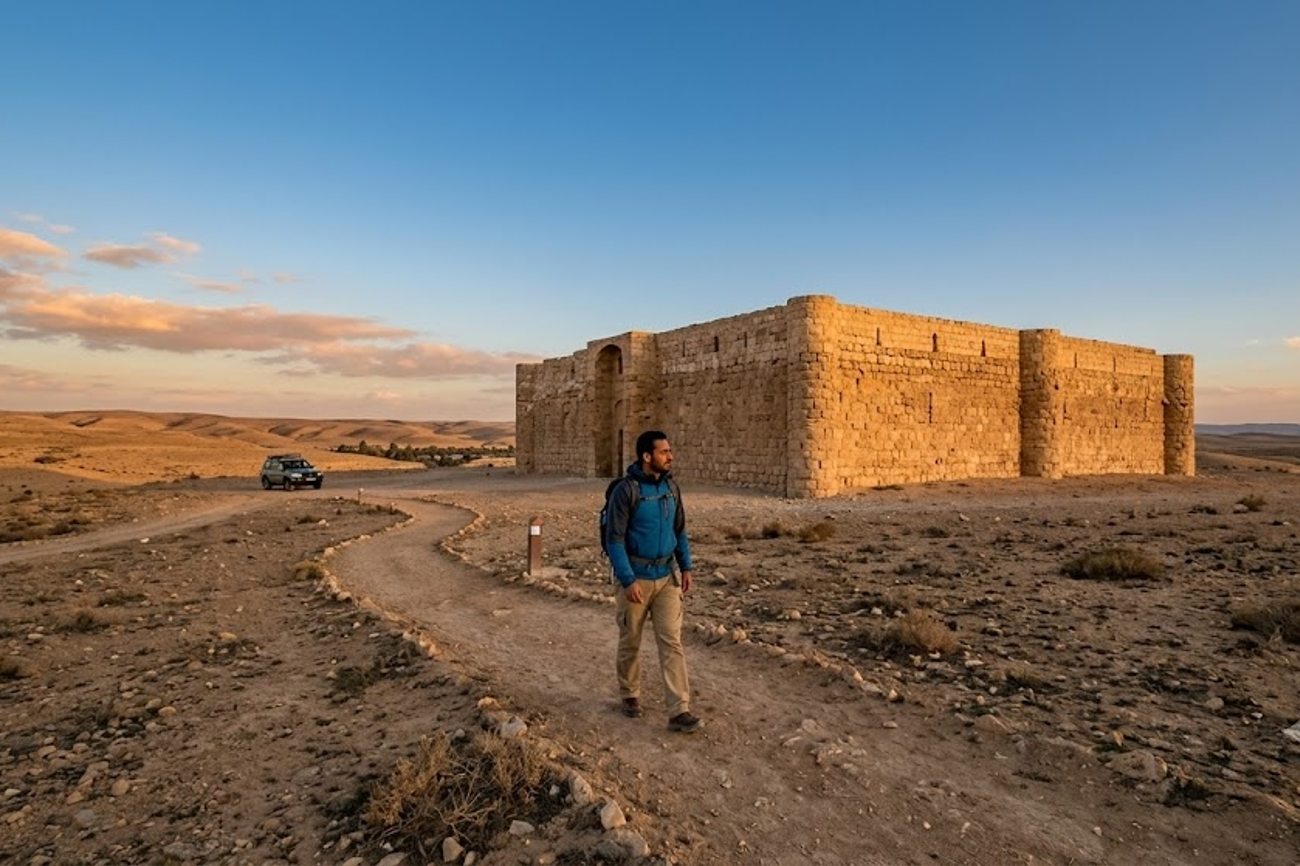
Image generated by AI
Jordan Launches Strategic Tourism Corridors to Unlock Eastern Desert Heritage
The Jordanian government is implementing a systemic shift in regional travel by linking the Byzantine ruins and Umayyad castles of the east through structured tourism corridors.
The Core Development
Jordan is diversifying its tourism portfolio to reduce the heavy reliance on western landmarks like Petra, Wadi Rum, and Jerash. The government has introduced a master plan to integrate disparate historical and natural assets in Eastern Jordan into a unified, accessible network.
This initiative replaces the previous logistical hurdles—such as unpaved roads and a lack of standardized amenities—with engineered corridors. These routes connect monumental palaces with nature reserves and artisan communities, ensuring sustainable visitor flow and preventing ecological degradation of the desert crust.
Key Facts Breakdown
- Primary Attractions: Qasr Amra, Qasr al-Kharanah, and Qasr Azraq (Umayyad-era architecture).
- Ecological Sites: Azraq Wetland Reserve (Ramsar convention site) and Shaumari Wildlife Reserve.
- Economic Impact: Regional development zones are projected to increase the average visitor length-of-stay by 1.5 days.
- Target Regions: Implementation is focused heavily on the governorates of Zarqa and Mafraq.
- Optimal Visit Windows: March to May (Spring) and September to November (Autumn).
- Infrastructure Upgrades: Implementation of digital mapping, interpretive signage, and sustainable transport options.
Why This Matters
From a logistical perspective, this is more than a marketing campaign; it is a redistribution of wealth and foot traffic. For decades, Jordan's "Golden Triangle" (Petra, Wadi Rum, Amman) has faced the risk of over-tourism, while the east remained an untapped resource.
Our analysis of the route map suggests that by formalizing these corridors, Jordan is attempting to solve two problems simultaneously: rural-to-urban migration and ecological fragility. By certifying local Bedouin communities as eco-guides and hospitality managers, the government is creating a financial incentive for locals to protect the landscape rather than exploit it. For the traveler, this means a shift from "sightseeing" to "immersion," providing access to prehistoric flint mines and Byzantine mosaics that were previously nearly impossible to reach without private expeditions.
Industry Outlook
Market trends indicate a move toward "slow travel" and authenticity. Jordan is positioning itself as a leader in sustainable destination management by diversifying its offerings into bird watching, desert trekking, and historical education.
Expect to see an increase in specialized tour operators focusing on the Zarqa and Mafraq governorates. As training programs for hospitality and eco-guide certification roll out, the quality of community-led tourism in the east will likely reach international standards, making these corridors a permanent fixture of the Jordanian travel experience.
Internal Link Suggestions:
- Sustainable Destination Management Trends in the Middle East
- Guide to Jordan's Umayyad Desert Castles
- Ecotourism Growth in Ramsar Convention Sites
Related Travel Guides
Disclaimer
This article is for informational and educational purposes only. It does not constitute legal, financial, or professional advice. While we strive to provide accurate and up-to-date information, travel policies, regulations, and conditions change rapidly. Always verify information with official sources before making travel decisions. Nomad Lawyer makes no representations about the accuracy, reliability, completeness, or suitability of the information provided. Readers should consult qualified professionals for advice specific to their circumstances. The views expressed in this article are those of the author and do not necessarily reflect the views of Nomad Lawyer.
Raushan Kumar
Founder & Lead Developer
Full-stack developer with 11+ years of experience and a passionate traveller. Raushan built Nomad Lawyer from the ground up with a vision to create the best travel and law experience on the web.
Learn more about our team →