
Bahrain and Gulf Nations Face Aviation Disruptions as Iran Rejects 10-Day US-Backed Qatari Peace Deal in 2026
Bahrain, UAE, and Qatar are bracing for significant flight disruptions and tourism declines following Iran's rejection of a 10-day US-backed ceasefire proposal in July 2026.

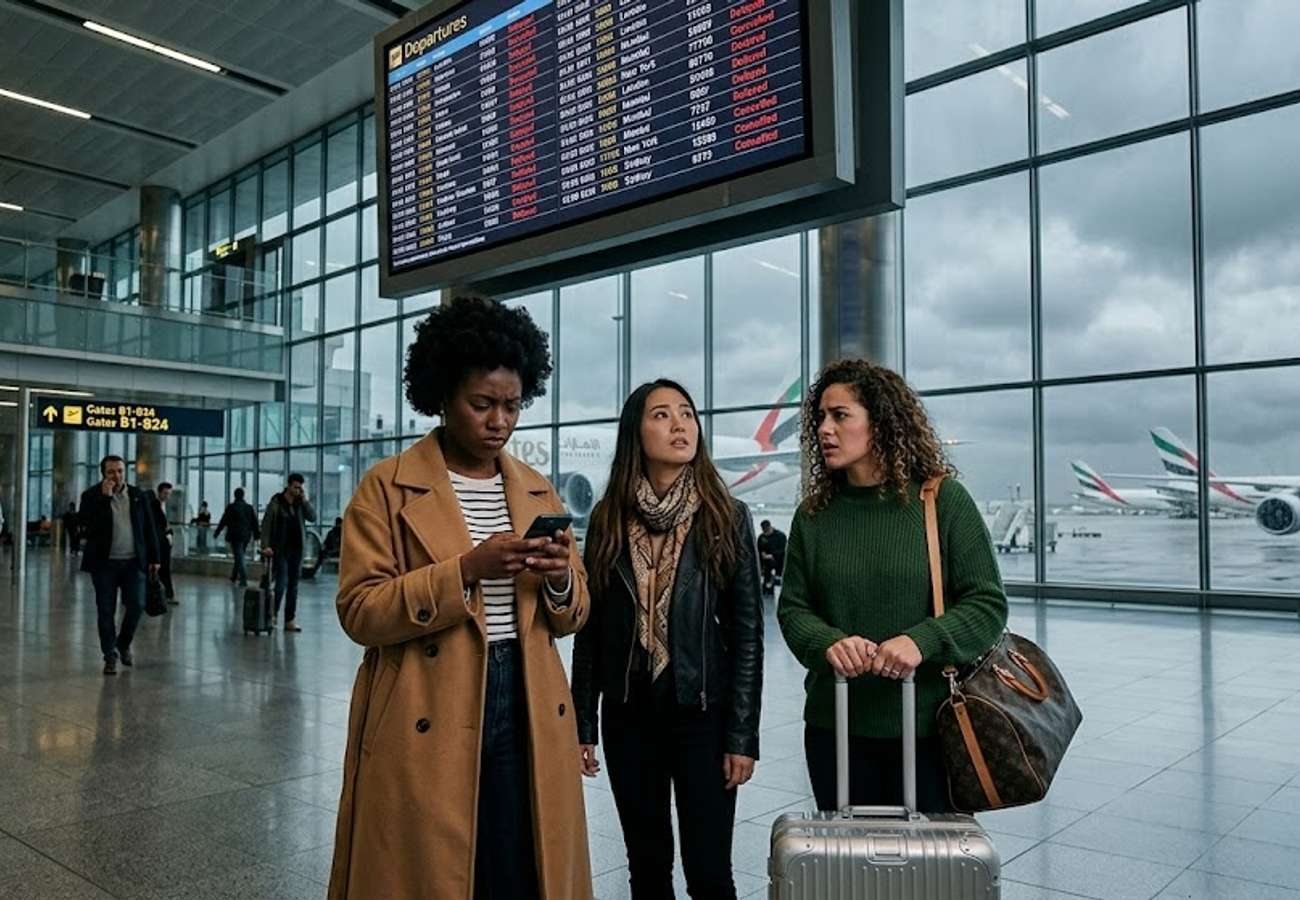
Image generated by AI
The Gulf region is entering a period of high alert as diplomatic efforts to stabilize the Middle East hit a significant roadblock, threatening the stability of global aviation and maritime corridors.
The Local Trend Revealed
The regional travel landscape has shifted toward a state of urgent contingency planning. This follows reports that Iran has rejected a 10-day US-backed ceasefire proposal mediated by Qatar. The initiative was intended to serve as a temporary diplomatic bridge to reduce tensions and facilitate the reopening of critical shipping routes through the Strait of Hormuz.
The rejection, highlighted by Iranian analyst Mohammad Marandi, suggests that Tehran is currently opposed to restarting negotiations, citing ongoing security threats. For the travel and tourism sectors in Bahrain, the UAE, Qatar, Iraq, Kuwait, and Oman, this diplomatic stalemate translates into immediate operational volatility.
Aviation hubs are now preparing for a "new normal" of airspace uncertainty. This includes the likelihood of continued route adjustments to avoid sensitive zones, which inevitably leads to longer flight durations and increased fuel consumption. For passengers, this means a higher probability of schedule changes and potential increases in ticket pricing to offset rising operational costs for carriers.
Cultural & Environmental Value (Information Gain)
Beyond the immediate logistics of flight paths, this instability puts pressure on the regional push for sustainable, community-led tourism. Nations like Oman and Bahrain have invested heavily in diversifying their economies away from oil, promoting cultural heritage sites and eco-tourism to support local artisans and conservation efforts.
When international visitor confidence drops due to regional tension, the economic impact is felt most acutely by small-scale local operators—boutique riads, traditional craft markets, and regional guides—who do not have the financial cushioning of large luxury hotel chains. The preservation of intangible cultural heritage in the Gulf often relies on the steady flow of "slow travel" tourists who engage directly with local communities.
To mitigate these risks, regional tourism boards are increasingly focusing on "inter-Gulf" travel, encouraging citizens and residents of neighboring states to explore their own region, thereby reducing reliance on long-haul international arrivals and supporting local economies during periods of global uncertainty.
Visitor Insider Tips
For those currently planning travel to the Gulf region amidst this volatility, navigating the situation requires a tactical approach:
- Airspace Monitoring: Use real-time flight tracking apps to monitor diversions. If you are connecting through Dubai (DXB) or Doha (DOH), allow for longer layovers than usual to account for potential route changes.
- Travel Insurance: Ensure your policy specifically covers "civil unrest" or "regional instability." Standard policies may not cover cancellations resulting from airspace closures.
- Off-Peak Strategy: Consider visiting the interior regions of Saudi Arabia or the mountains of Oman, which are often perceived as more secluded and stable compared to the coastal hubs near the Strait of Hormuz.
- Local Etiquette: In times of regional tension, avoid discussing geopolitical conflicts in public spaces. Focus conversations on the rich hospitality and cultural achievements of the host country.
- Dining Specialty: In Bahrain, seek out traditional Machboos in the Manama Souq; supporting these traditional eateries helps sustain local vendors during tourism dips.
Tourism Outlook
The long-term impact on the region depends heavily on the stability of the Strait of Hormuz, a vital artery for both energy and mobility. For the UAE, the risk is centered on its status as a global transit hub; any perception of instability at Dubai International or Abu Dhabi International airports could divert transit traffic to other global hubs.
Qatar continues to balance a dual identity as a high-capacity aviation hub via Hamad International Airport and a primary diplomatic mediator. While its role as a peacemaker provides some diplomatic shielding, the economic reality of higher insurance costs for maritime and air transport remains a challenge.
Ultimately, the Gulf's ambitious 2030 tourism visions—particularly in Saudi Arabia—rely on a perception of absolute safety. While the region possesses world-class infrastructure, the current trend suggests that "security-first" travel planning will dominate the 2026 calendar until a sustainable diplomatic resolution is reached.
The Gulf remains a crossroads of global mobility, where a single diplomatic decision can reshape the flight paths of millions.
Related Travel Guides
Disclaimer
This article is for informational and educational purposes only. It does not constitute legal, financial, or professional advice. While we strive to provide accurate and up-to-date information, travel policies, regulations, and conditions change rapidly. Always verify information with official sources before making travel decisions. Nomad Lawyer makes no representations about the accuracy, reliability, completeness, or suitability of the information provided. Readers should consult qualified professionals for advice specific to their circumstances. The views expressed in this article are those of the author and do not necessarily reflect the views of Nomad Lawyer.
Raushan Kumar
Founder & Lead Developer
Full-stack developer with 11+ years of experience and a passionate traveller. Raushan built Nomad Lawyer from the ground up with a vision to create the best travel and law experience on the web.
Learn more about our team →