
Saudi 2030 Hotels: AlUla Triples Room Capacity for 1 Million Visitors
AlUla is tripling its hotel room inventory by 2030 to accommodate surging tourism demand under Saudi Vision 2030. The destination targets 1 million annual visitors through aggressive hospitality expansion.

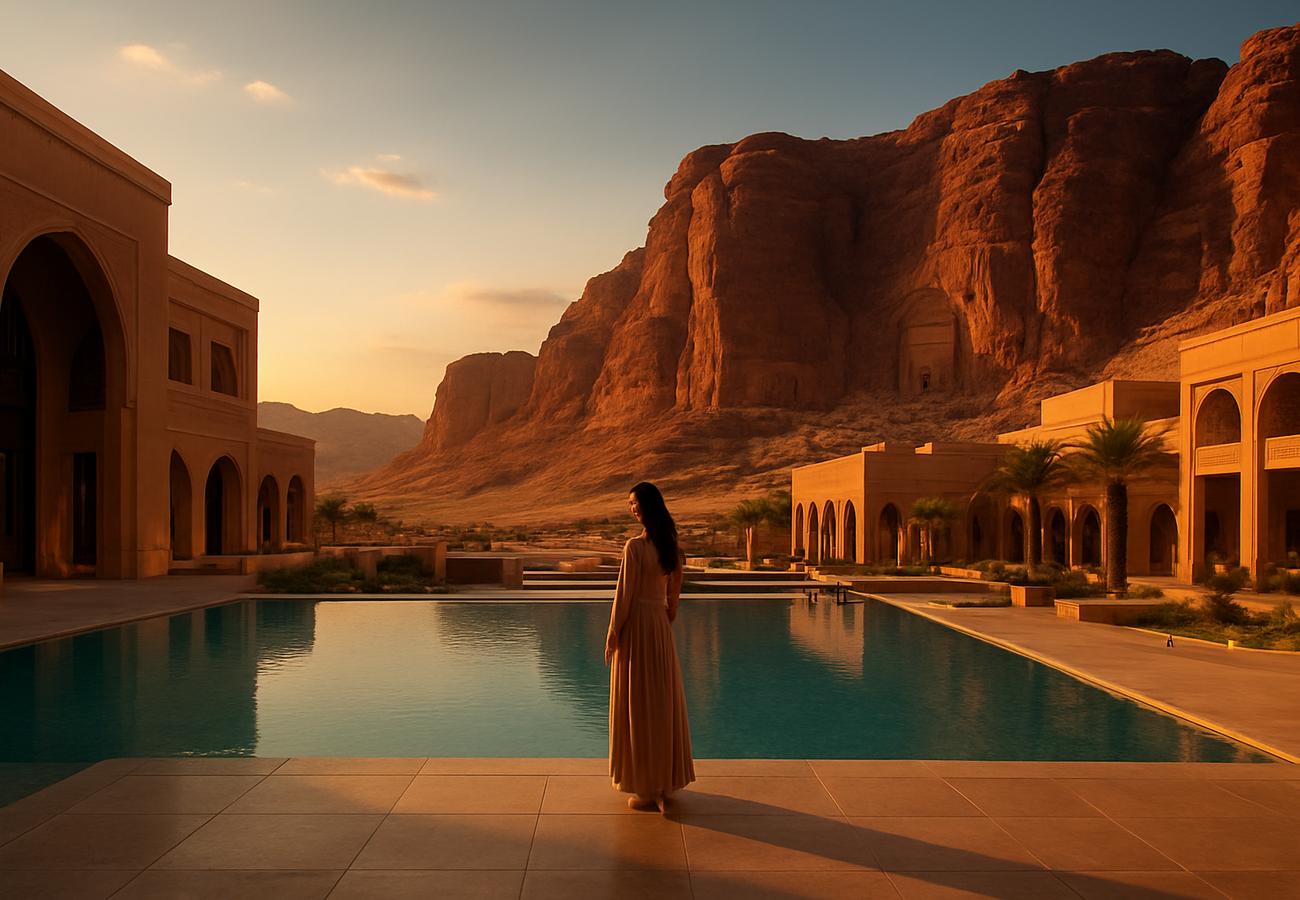
Image generated by AI
AlUla's Historic Hotel Expansion Takes Shape
AlUla is tripling its hotel room inventory to meet the surging demand from international travelers targeting the Saudi Arabian destination by 2030. The ancient heritage site, famous for its red sandstone cliffs and pre-Islamic tombs, aims to welcome 1 million annual visitors through an aggressive accommodation expansion strategy aligned with Saudi Vision 2030. This transformative growth reflects confidence in the region's tourism potential and represents one of the most ambitious hospitality scaling efforts in the Middle East today.
AlUla's Ambitious Growth Plan
AlUla's hotel expansion directly supports Saudi Arabia's broader Vision 2030 economic diversification initiative. The destination currently operates a limited inventory of boutique and luxury properties catering primarily to affluent international travelers. By tripling room capacity, AlUla seeks to democratize access across multiple travel segments while maintaining its premium positioning.
The expansion encompasses new hotel properties across various star ratings, from five-star resort developments to mid-range accommodations serving family travelers and budget-conscious visitors. Developers have identified strategic locations near UNESCO World Heritage sites and natural attractions. The aggressive timeline requires coordinating construction, staffing, and infrastructure development across a region traditionally focused on archaeological preservation.
This growth strategy positions AlUla as a cornerstone destination within Saudi Arabia's tourism transformation. Regional authorities have invested heavily in transportation connectivity, including flight routes from major international hubs. The hotel expansion directly enables these investments to generate meaningful visitor volume and economic returns.
The Hotel Room Pipeline Challenge
Tripling hotel inventory presents substantial operational and logistical challenges for AlUla's development authorities. Construction timelines must align with 2030 deadlines while maintaining architectural standards consistent with heritage site regulations. Local labor recruitment and training represent critical bottlenecks in a region where hospitality workforce experience remains relatively nascent.
Supply chain complications for premium furnishings and technology systems affect project schedules. Desert construction environments introduce unique challenges including extreme heat, dust management, and water resource allocation. Property developers must invest in staff accommodation, training facilities, and ongoing professional development to deliver world-class guest experiences.
The destination's remote location, while advantageous for heritage preservation, complicates logistics for ongoing maintenance and operational supplies. Hotels require robust redundancy systems for power generation, water treatment, and telecommunications to function reliably in the desert environment. These infrastructure investments significantly increase development and operational costs compared to urban hospitality properties.
Saudi Vision 2030's Tourism Impact
Saudi Vision 2030 represents an unprecedented commitment to tourism sector development across the kingdom. International visitor arrivals have grown substantially following the 2019 opening of tourist visas to most nationalities. AlUla exemplifies the government's strategy of investing in heritage-based tourism to diversify economic revenues beyond petroleum exports.
The program targets 100 million annual tourism visits across Saudi Arabia by 2030, with domestic and regional travelers comprising the majority. AlUla's one million visitor target represents approximately one percent of this broader kingdom-wide goal. Hotel expansion investments demonstrate commitment to converting short-term tourism growth into sustainable long-term destination infrastructure.
This transformation creates employment opportunities for Saudi nationals across hospitality, cultural tourism, and service sectors. Training programs develop local expertise in hotel management, culinary services, and guest relations. AlUla's growth exemplifies how heritage tourism can catalyze economic development in traditionally isolated regions.
Market Demand and Capacity Planning
Current visitor patterns indicate strong pent-up demand for AlUla experiences among international travelers. Booking platforms report healthy advance reservation activity for existing accommodations, with many properties maintaining high occupancy rates. This demand validation justifies substantial capital investment in new hotel properties across multiple categories.
Travelers cite AlUla's unique archaeological significance and dramatic natural landscape as primary visitation motivations. The destination appeals to adventure travelers, cultural tourists, photography enthusiasts, and luxury seekers simultaneously. This diverse appeal supports the mixed-use hotel development strategy incorporating various property types and price points.
Market research suggests the tripling of Saudi 2030 hotels capacity aligns realistically with projected demand growth through 2030. Regional airline capacity expansion, improved road infrastructure, and international marketing campaigns will support visitor growth. However, delivery of advertised room inventory remains contingent on maintaining construction schedules and securing adequate financing.
What Guests Get
New hotel properties across AlUla will deliver diverse experiences addressing multiple traveler preferences. Five-star resort developments feature spa facilities, fine dining restaurants, and comprehensive wellness programming. These luxury properties emphasize cultural immersion, offering guided archaeological tours and exclusive site access alongside premium accommodations.
Mid-range hotel options provide comfortable, well-appointed rooms with essential amenities at accessible price points. Properties include on-site dining, business facilities, and activity coordination services. Many feature educational programming connecting guests to local history and natural features.
Budget accommodation options introduce dormitory and compact room configurations appealing to younger travelers and groups. Basic room facilities emphasize cleanliness and safety with communal social spaces encouraging guest interaction. These properties extend AlUla's appeal beyond traditional luxury tourism markets.
Across all categories, new hotels incorporate sustainable design principles reflecting environmental commitment. Solar power systems, water conservation technologies, and locally-sourced materials reduce operational environmental impacts. Properties engage local communities through employment, supply procurement, and cultural partnership initiatives, ensuring tourism benefits distribute broadly across the region.
Key Development Data
| Metric | Current Status | 2030 Target | Growth |
|---|---|---|---|
| Hotel Rooms | ~500 | ~1,500 | 200% increase |
| Annual Visitors | ~250,000 | 1,000,000 | 300% growth |
| Hotel Properties | 8-10 | 20+ | 10+ new properties |
| Employment Created | 1,200 | 3,500+ | 2,300+ jobs |
| Construction Investment | $300M+ | $800M+ | $500M+ new capital |
| Average Room Rate | $250-400 | $180-450 | Mixed market expansion |
What This Means for Travelers
AlUla's hotel expansion creates meaningful implications for travel planning and destination accessibility:
-
Improved Booking Availability: Growing room inventory eliminates previous scarcity-driven booking challenges, allowing travelers greater flexibility in scheduling AlUla visits through 2030.
-
Expanded Price Options: Multiple hotel categories serve diverse budgets, making AlUla accessible to travelers previously priced out by limited luxury inventory.
-
Enhanced Infrastructure: Supporting visitor volumes requires improved transportation, dining, and activity offerings, enriching overall guest experiences beyond accommodation.
-
Competitive Pressure: Increased supply encourages rate competition, potentially lowering average nightly costs and improving value propositions across property categories.
-
Faster Booking Confirmation: Shorter waiting periods and faster reservation confirmation processes become feasible as inventory expands, improving customer service reliability.
-
Extended Operating Seasons: Additional capacity enables year-round operations and promotional campaigns targeting previously underutilized seasons.
Frequently Asked Questions
What hotel brands are opening in AlUla by 2030? Multiple international and regional hospitality brands are confirming developments in AlUla under Saudi 2030 hotel expansion plans. Luxury brands like Banyan Tree and mid-market operators have announced commitments. Official announcements from AlUla's development authority provide confirmed property details and opening timelines for verified projects.
How much will hotels in AlUla cost in 2030? Hotel rates will vary significantly across categories. Five-star resort properties will command premium pricing ($300-500+ nightly), while mid-range hotels will offer rooms at $150-250 nightly. Budget options may range from $50-100 nightly. Actual rates depend on specific property positioning and seasonal demand fluctuations.
Is AlUla accessible without flying to Riyadh? AlUla has developed direct flight connections from several international hubs and regional centers. The destination remains most accessible via Riyadh's major international airport, followed by regional flights. Ground
Disclaimer
This article is for informational and educational purposes only. It does not constitute legal, financial, or professional advice. While we strive to provide accurate and up-to-date information, travel policies, regulations, and conditions change rapidly. Always verify information with official sources before making travel decisions. Nomad Lawyer makes no representations about the accuracy, reliability, completeness, or suitability of the information provided. Readers should consult qualified professionals for advice specific to their circumstances. The views expressed in this article are those of the author and do not necessarily reflect the views of Nomad Lawyer.
Kunal K Choudhary
Co-Founder & Contributor
A passionate traveller and tech enthusiast. Kunal contributes to the vision and growth of Nomad Lawyer, bringing fresh perspectives and driving the community forward.
Learn more about our team →