
Disney Franchise Fatigue Is Reshaping Global Theme Park Tourism in 2026: What International Travelers Need to Know
Franchise fatigue is changing how millions of global travelers plan Disney park visits. Here's what this entertainment shift means for your travel plans in 2026.

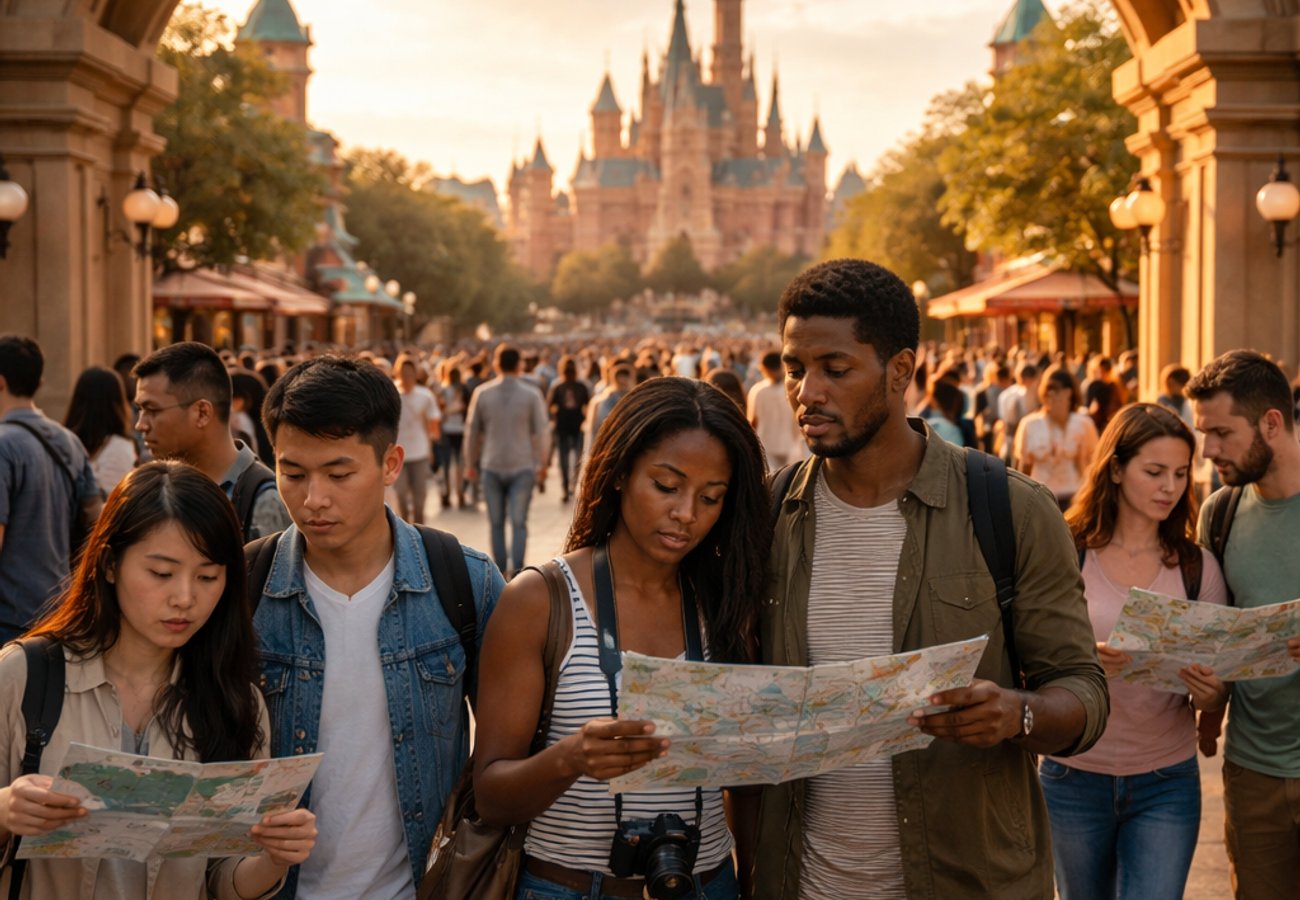
Image generated by AI
The entertainment landscape is shifting beneath our feet. Disney, alongside other major studios, has acknowledged what audiences have been quietly whispering for months: franchise fatigue is real, and it's reshaping how millions of global travelers plan their vacations.
This isn't just Hollywood gossip. This is a fundamental change in tourism behavior that directly impacts your next trip to Disney parks in the United States, France, Japan, and Hong Kong. Understanding this trend matters if you're planning a family getaway or considering your travel calendar for the next few years.
The Quiet Revolution in Entertainment-Driven Travel
For decades, blockbuster films and beloved characters have been the primary motivators for international tourism. A child sees a movie, falls in love with a character, and suddenly the family is booking flights to Orlando, Disneyland Paris, or Tokyo Disney Resort.
But something is changing.
Reddit: "I love Disney, but I've noticed we're seeing the same stories retold over and over. It's making me think twice about dropping $5,000 on a family trip when there are other destinations I haven't explored." — r/travel
The problem isn't Disney's fault entirely. The global film industry has become heavily concentrated on sequels and extended universes. Audiences are experiencing creative saturation—and when creative fatigue sets in, travel motivation shifts.
Travel planners are now reporting something unexpected: visitors are shortening their stays at theme parks and combining Disney visits with broader regional experiences. Instead of a five-day Disney-only vacation, families are now requesting three days at the park plus two days exploring local culture, beaches, or heritage sites.
How Franchise Fatigue Is Reshaping Park Experiences
Disney theme parks are built around cinematic storytelling. Walk through Magic Kingdom and nearly every major attraction ties back to a blockbuster film. The same is true in Disneyland Paris, Hong Kong Disneyland, and Tokyo DisneySea.
When audiences feel saturated with franchise content, their park experience changes subtly but measurably.
Visitors are becoming more selective. They're asking harder questions about which attractions are worth standing in line for. Many are now prioritizing original park experiences, live performances, and cultural showcases over franchise-based rides. This shift reflects what tourism industry analysts describe as a move toward authenticity and novelty—the hallmarks of modern luxury travel.
Hotels near major Disney parks are responding to this trend by offering flexible stay options and family packages that encourage diversified experiences. Airlines and travel platforms are monitoring entertainment release schedules less closely than they did five years ago, recognizing that film popularity no longer correlates directly with booking surges.
Modern Travelers Want More Than Characters
Today's international tourists are experience-driven, not character-driven.
They compare Disney parks with other global attractions offering immersive cultural storytelling or cutting-edge technology. They research visitor reviews and attraction ratings before booking. They ask themselves: Is this worth the cost? Can I get this experience elsewhere? What am I really paying for?
The modern traveler prioritizes:
- Unique seasonal events within theme parks
- Limited-time, exclusive exhibitions that offer genuine novelty
- Attractions with cultural or educational value alongside pure entertainment
- Interactive technology and immersive environments beyond traditional rides
This isn't a rejection of Disney. It's an evolution in what travelers expect from their entertainment-based vacations. Quality matters more than franchise names.
The Ripple Effect Across Global Tourism
The tourism industry adapts quickly to entertainment trends. Travel agencies and tour operators are now bundling Disney-related packages with broader regional experiences. A visitor to Walt Disney World in Orlando might combine it with Miami beach time or heritage exploration in St. Augustine. A Paris trip includes Disneyland Paris plus museum visits and authentic local experiences.
Airlines are paying attention. Hotels are investing in broader amenities. Tourism boards are shifting from franchise-based marketing to destination-wide appeal, highlighting cultural heritage, seasonal events, and local experiences alongside theme park attractions.
Major travel planning platforms now feature comprehensive destination guides rather than single-attraction itineraries. The era of "Disney vacation" is evolving into "regional vacation featuring Disney."
What This Means for Your Travel Planning in 2026
If you're considering a theme park vacation, franchise fatigue actually works in your favor.
First, expect less crowding during traditional peak periods. Casual Disney tourists—those who visit mainly because a new film came out—are staying home. Serious enthusiasts and experience-seekers are traveling instead.
Second, Disney parks are innovating faster. To combat franchise fatigue, parks are investing in fresh creative concepts, interactive environments, and attractions not tied to specific films. This means better new attractions and more diverse storytelling.
Third, packages are becoming more flexible and value-oriented. Hotels and tour operators are offering better deals and more customizable options as they adapt to changing demand patterns.
The Future of Disney Tourism
Despite franchise fatigue concerns, Disney remains one of the most visited tourism brands globally. Its ability to evolve has sustained its relevance for decades.
Travel experts predict Disney parks will balance familiar storytelling with fresh creative concepts. This means more interactive environments, expanded cultural themes, and original attractions beyond movie franchises. The result? Longer-term tourism growth appealing to a wider range of visitor interests.
Disney franchise fatigue isn't decline—it's transformation. As storytelling becomes more diverse and immersive, travel experiences will become more personalized and authentic.
The magic isn't fading; it's just learning new tricks.
Related Travel Guides
Disclaimer
This article is for informational and educational purposes only. It does not constitute legal, financial, or professional advice. While we strive to provide accurate and up-to-date information, travel policies, regulations, and conditions change rapidly. Always verify information with official sources before making travel decisions. Nomad Lawyer makes no representations about the accuracy, reliability, completeness, or suitability of the information provided. Readers should consult qualified professionals for advice specific to their circumstances. The views expressed in this article are those of the author and do not necessarily reflect the views of Nomad Lawyer.
Preeti Gunjan
Contributor & Community Manager
A passionate traveller and community builder. Preeti helps grow the Nomad Lawyer community, fostering engagement and bringing the reader experience to life.
Learn more about our team →