
When to Travel to Alaska: Top Times for Bears and National Parks (2026 Edition)

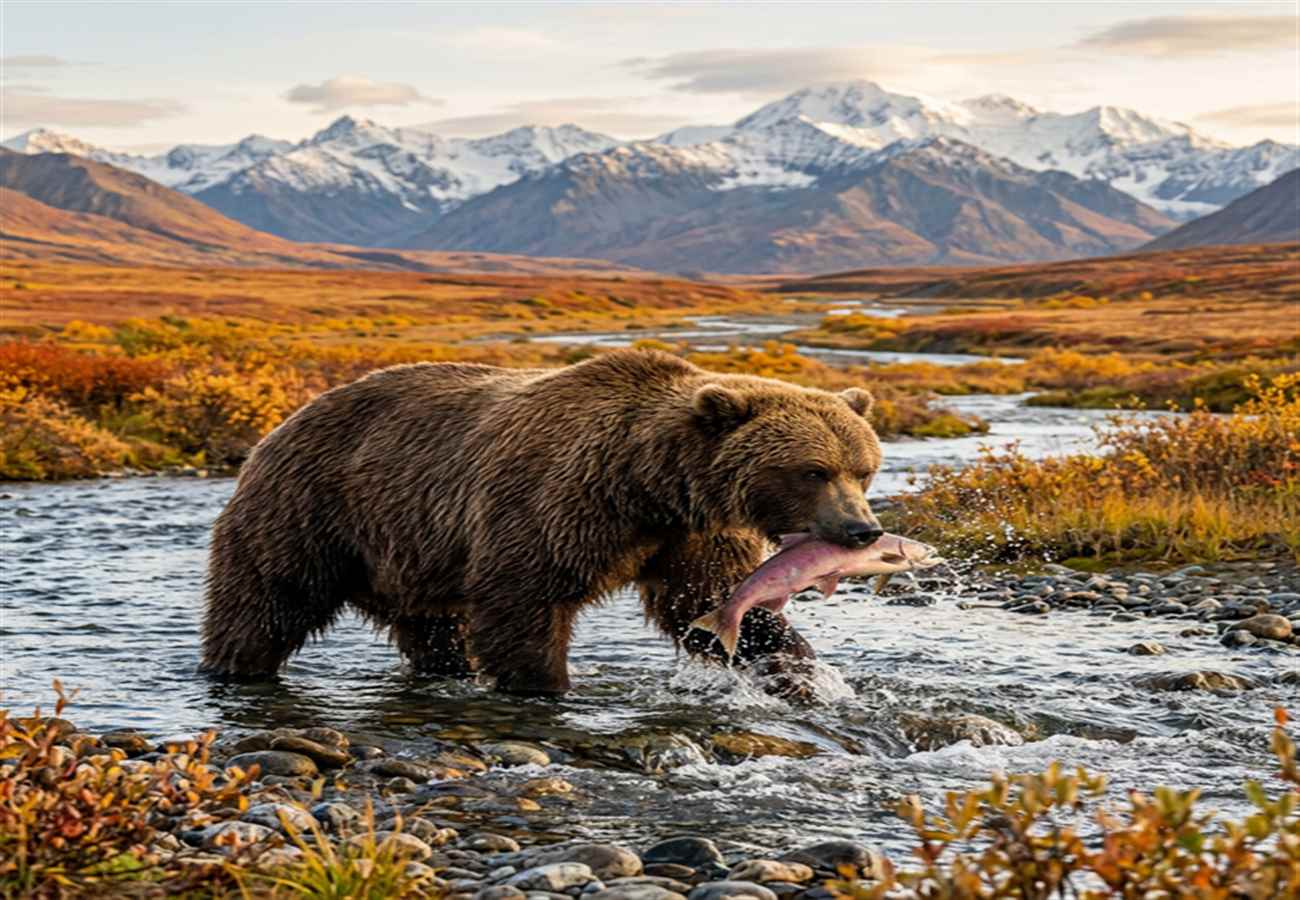
Image generated with AI
Alaska is a land of superlatives—the tallest peaks, the largest glaciers, and the most legendary wildlife encounters in North America. In 2026, the state is seeing a surge in interest not just for its rugged landscapes, but for a rare celestial event: the peak of Solar Cycle 25. This means that for travelers visiting in the late summer and fall of 2026, the chances of witnessing the Northern Lights (Aurora Borealis) alongside grizzly bears are the highest they’ve been in a decade.
However, "The Last Frontier" is famously unforgiving to those who don’t plan around the seasons. If you arrive in June hoping to see bears catching salmon at Brooks Falls, you’ll be about three weeks early. If you try to drive deep into Denali in 2026, you’ll be met with a road closure at Mile 43. To help you navigate the nuances of the 2026 season, we’ve synthesized the latest "local" tips from r/AlaskaTravel, the photography pros on Pinterest, and the seasoned hikers on Quora. Here is the definitive guide to when you should travel to Alaska in 2026.
1. The Bear Viewing Calendar: Timing the Salmon Run
For many, the image of a brown bear standing atop a waterfall, mouth agape for a leaping salmon, is the primary reason for visiting Alaska. This happens primarily in Katmai National Park and Lake Clark National Park.
July: The "Salmon Leap" Peak (Katmai) The sockeye salmon run at Brooks Falls typically peaks between July 1 and July 25.
- The Experience: This is the iconic National Geographic moment. In 2026, expect high demand for the viewing platforms. You may encounter "the bridge wait"—a local term for when the floating bridge is closed because a bear is napping on it, trapping tourists on one side.
- Local Tip (Reddit): "If you’re doing a day trip from Homer or Anchorage in July, book the earliest flight possible. The wind often picks up in the afternoon, which can ground the float planes and leave you stranded or canceled."
September: The "Fat Bear" Transformation By September, the bears have been feasting for months.
- The Vibe: Instead of the lean, hungry predators of July, you’ll see massive, 1,000-pound bears lazily snorkeling for "dead and dying" salmon that have already spawned.
- Photography Edge: The fall colors in Katmai (bright gold and deep red) provide a much more dramatic backdrop than the flat green of July. Plus, the bears’ coats are at their thickest and most luxurious.
2. Denali National Park in 2026: The Mile 43 Reality
Denali is the crown jewel of Alaska's national parks, but it is currently undergoing a major transition. Due to the Pretty Rocks Landslide, the Denali Park Road will remain closed at Mile 43 through the entire 2026 season.
What This Means for 2026 Travelers:
- Restricted Access: You cannot take a bus to Eielson Visitor Center, Wonder Lake, or Kantishna. All transit buses and tours will turnaround at the East Fork Bridge (Mile 43).
- The Silver Lining: While the road is shorter, the wildlife density in the first 43 miles is often higher than the interior. Grizzly bears, caribou, and dall sheep are frequently spotted in the Savage River and Teklanika areas.
- Local Strategy (Quora): "Don't skip Denali just because of the road closure. Take the Tundra Wilderness Tour; it still offers incredible views of Denali (Mount McKinley) on clear days. Just make sure to spend at least two full days in the park to increase your chances of seeing 'The High One'—it's only visible 30% of the time due to clouds."
3. Marine Wildlife and Glaciers: Kenai Fjords & Glacier Bay
While grizzly bears rule the land, humpback whales and sea otters rule the fjords.
Best Timing: June and July
- The Humpback Arrival: By June, humpback whales have arrived from Hawaii to fatten up on krill and small fish.
- Kenai Fjords (Seward): Take a 6-hour or 9-hour boat tour into the Aialik Cape. In 2026, many operators are switching to hybrid-electric vessels, allowing for a near-silent approach to calving glaciers.
- Pinterest Tip: "Glacier blue" is the color of the season. For the most vibrant ice photos, visit on a cloudy day. The overcast sky brings out the deep blue density of the ancient ice, whereas bright sun can wash it out into white.
4. The 2026 "Sweet Spot": Late August
If you want to maximize your value and variety, late August is the "sweet spot" for 2026.
- Berry Season: The tundra turns red and purple as the blueberries and crowberries ripen. This brings the bears out into the open meadows (especially in Denali and Chugach State Park) for "grazing" before the winter.
- The First Aurora: By August 20-25, the nights are finally dark enough for the Northern Lights to become visible.
- 2026 Solar Maximum: Because the sun is reaching its solar peak, the auroras in late August 2026 are predicted to be spectacular. You can theoretically see a grizzly bear in the afternoon and the Aurora Borealis at midnight.
5. Alaska 2026 Comparison Table
| Service / Goal | Peak Month | Why? |
|---|---|---|
| Brooks Falls Bears | July | Prime sockeye salmon run leaping at the falls. |
| Whale Watching | June–August | High concentration of feeding humpbacks and orcas. |
| Northern Lights | Sept–March | Darker skies; 2026 Solar Maximum peak activity. |
| Fewer Crowds | Late May / Sept | Shoulder seasons offer 20-30% lower hotel rates. |
| Hiking Denali | July | Best trail conditions, though be prepared for "Alaskan mosquitoes." |
6. Budgeting and Logistics for 2026
The Flight Factor: Alaska is a destination of small planes. To reach the best bear viewing spots like Lake Clark or Katmai, you must fly.
- Cost Estimate: A day trip from Anchorage to Katmai for bear viewing in 2026 is averaging $950–$1,100 per person.
- Booking Warning: For the Brooks Camp campgrounds (the only budget way to stay in the park), thousands of people try to book at the exact second they open in early January. You must be at your computer with a fast internet connection to have a chance.
Local Tip (r/Alaska): "Renting a car in Alaska is notoriously expensive. In 2026, travelers are finding better value by renting campervans. This solves your transportation and accommodation in one go, and allows you to wake up at the trailheads."
7. Essential Alaska Ethics: Keeping the "Wild" in Wildlife
- Bear Safety: Always carry bear spray and know how to use it. In Alaska, you aren't just a visitor; you are part of the food chain.
- Leave No Trace: Alaska's wilderness is pristine. If you carry it in, carry it out.
- Respect the "100 Yard Rule": By law, you must maintain a distance of at least 100 yards from bears and 300 yards from wolves and nesting eagles.
Final Thoughts for 2026
Alaska is not a destination you "conquer"—it’s a destination you experience on its own terms. Whether you’re standing on the banks of a river in the Brooks Range or watching a glacier calve into the Pacific, the 2026 season offers a unique combination of celestial timing and raw, natural power.
By avoiding the crowds of early July and aiming for the berry-rich, aurora-lit weeks of late August, you can ensure your Alaskan adventure is as legendary as the landscape itself.
Prepare for the mosquitoes, respect the bears, and keep your eyes on the skies.
Related Travel Guides
Disclaimer
This article is for informational and educational purposes only. It does not constitute legal, financial, or professional advice. While we strive to provide accurate and up-to-date information, travel policies, regulations, and conditions change rapidly. Always verify information with official sources before making travel decisions. Nomad Lawyer makes no representations about the accuracy, reliability, completeness, or suitability of the information provided. Readers should consult qualified professionals for advice specific to their circumstances. The views expressed in this article are those of the author and do not necessarily reflect the views of Nomad Lawyer.
Raushan Kumar
Founder & Lead Developer
Full-stack developer with 11+ years of experience and a passionate traveller. Raushan built Nomad Lawyer from the ground up with a vision to create the best travel and law experience on the web.
Learn more about our team →