
Dijon and Thessaloniki Lead Europe's Shift Toward Affordable Heritage Food Tourism in 2026
European food tourism is shifting away from expensive capitals toward secondary gems like Dijon and Thessaloniki, where UNESCO-recognized heritage and authentic regional flavors offer high-value gastronomic experiences.

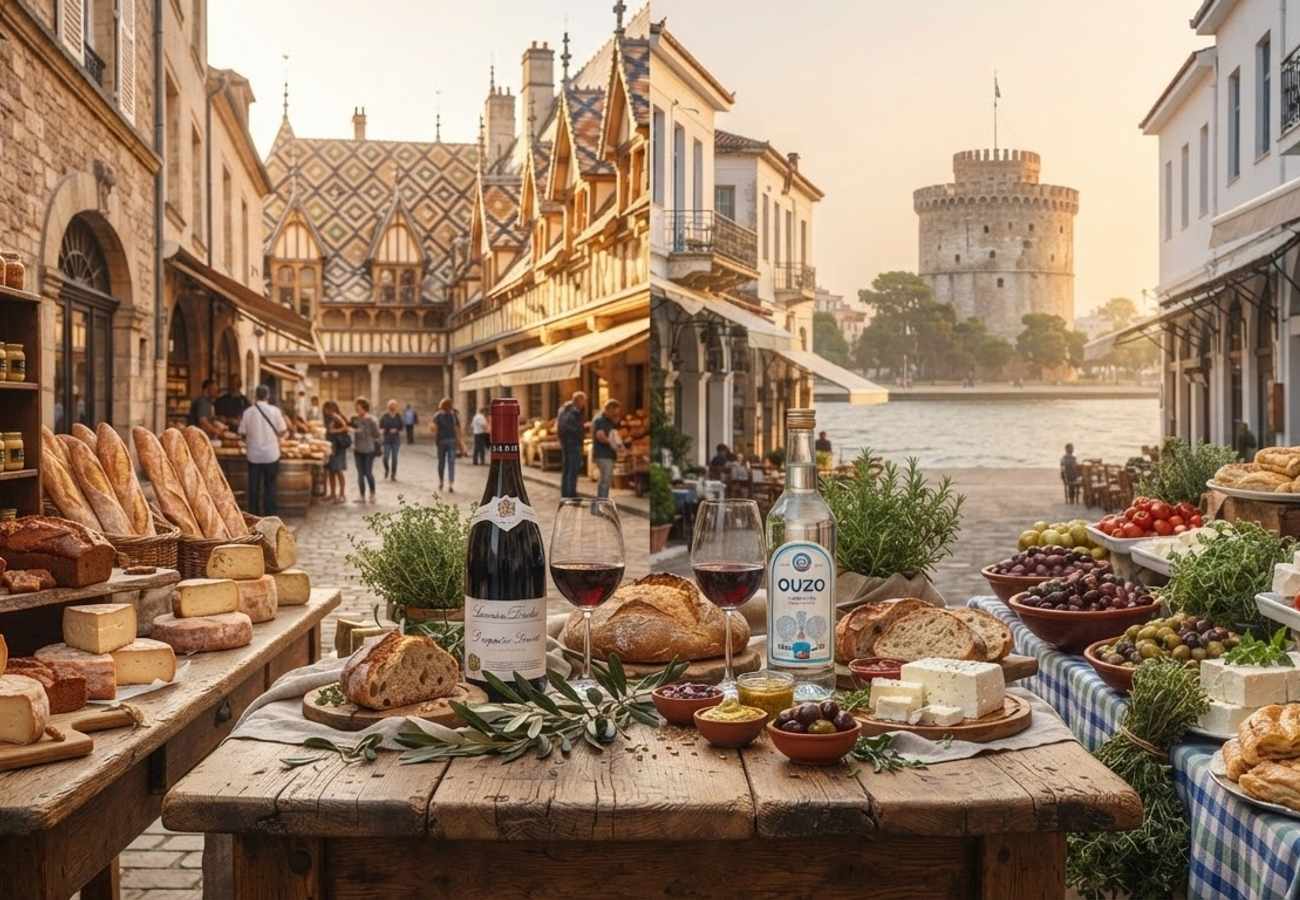
Image generated by AI
Europe is witnessing a strategic pivot in culinary travel as visitors abandon overpriced capitals for "secondary gems" that offer deeper historical roots and authentic flavors without the burden of over-tourism. From the mustard hubs of France to the Byzantine spice markets of Greece, cities like Dijon and Thessaloniki are redefining the gastronomic landscape by blending UNESCO-protected heritage with accessible pricing.
Beyond the Capitals: The Rise of Regional Gastronomy
Modern travelers are increasingly seeking "Information Gain" through experiences that bypass the generic tourist traps of major metropolises. This shift has placed a spotlight on regional hubs where food is not just a commodity but a preserved cultural legacy. While Paris or Athens may hold the fame, cities such as San Sebastián in Spain (renowned for Basque pintxos), Brno in the Czech Republic (a center for craft beer), Ortigia in Italy (famous for Sicilian seafood), and Zagreb in Croatia (blending Adriatic and continental tastes) are capturing the market.
Among these, Dijon stands out as a dual-anchored powerhouse. As the regional capital of Bourgogne-Franche-Comté, it serves as the critical northern gateway to the Burgundy wine region and the prestigious Route des Grands Crus.
Dijon: Balancing UNESCO Heritage with Culinary Accessibility
Dijon is not merely a stopover for wine enthusiasts; it is a protected urban sanctuary. The city maintains a 97-hectare historic core—the former residence of the Dukes of Burgundy—which, combined with the surrounding Climats vineyard terroir, has earned it dual UNESCO World Heritage status.
To move beyond its singular global association with mustard, the French government has positioned Dijon as one of four national anchors for culinary heritage. The centerpiece of this strategy is the Cité Internationale de la Gastronomie et du Vin (CIGV), a facility that integrates agricultural trade with sustainable urban tourism. Attracting nearly three million visitors annually, the city proves that high-end gastronomy can coexist with affordable, everyday experiences.
For the budget-conscious traveler, Dijon’s compact layout allows for an immersive exploration of Burgundian flavors without the prohibitive costs typically found in France's larger cities.
Budget-Friendly Culinary Guide to Dijon
| Food Place / Experience | What Travellers Can Enjoy | Approximate Price | Why Travellers Love It |
|---|---|---|---|
| Les Halles de Dijon Market | Local produce, cheese, charcuterie, and regional specialties | €5–€15 | Authentic interaction with local producers. |
| Gina (near Les Halles) | Casual French dishes and market-inspired cuisine | From ~€11 | High-quality French food without luxury pricing. |
| Brasserie La Bourgogne | Traditional Burgundy meals and classic French cuisine | From ~€14.50 | Reasonable regional cooking in the historic center. |
| Cité Internationale de la Gastronomie et du Vin (CIGV) | Exhibitions, wine discovery, and culinary workshops | Tastings from €5–€15 | A comprehensive education on French food culture. |
| Dijon Mustard Workshops | Handmade mustard demonstrations and tastings | €5–€15 | Direct connection to the city's most famous symbol. |
| Local Bakeries (Boulangeries) | Pain d’épices, croissants, and baguettes | €1–€5 | The most affordable entry point to French culture. |
| Burgundy Route Wine Tastings | Regional appellations and vineyard experiences | €10–€30 | World-class wine traditions without luxury tour costs. |
| La Table des Climats | Refined Burgundy-inspired fine dining | Weekday lunch ~€39 | Accessible premium gastronomic experience. |
Essential Low-Cost Tastings in Burgundy
- Crème de Cassis: €5–€10 for a tasting.
- Pain d’épices (Gingerbread): €2–€6 per portion.
- Local Cheese Selection: €5–€12.
- Mustard Tours: Among the most affordable activities available.
- Wine and Cheese Pairings: Introductory experiences range from €15–€30.
Strategic Repositioning of the Burgundy Capital
Industry insights gathered during the IMM UK 2026 event at the QEII Centre in London reveal a concerted effort to rebrand Dijon. Clara Luppino of Dijon Bourgogne Tourisme & Congrès indicates that the city is moving away from being viewed simply as a "mustard town" to being recognized as a premier hub for eco-conscious travel and authentic French gastronomy.
The city's appeal lies in its walkability and the seamless blend of Medieval and Renaissance architecture with modern culinary innovation. Beyond the CIGV, the expansion of outdoor tourism along the Burgundy Canal and the Route des Grands Crus is transforming Dijon into a multi-day destination rather than a day-trip stop.
Thessaloniki: The Mediterranean’s Affordable Gastronomic Powerhouse
Parallel to the rise of Dijon is Thessaloniki, Greece, which has earned the title of UNESCO Creative City of Gastronomy. The city's culinary identity is a complex layer of Byzantine, Ottoman, and Mediterranean influences, making it a primary destination for those seeking multicultural flavors.
Thessaloniki offers a distinct advantage: the ability to experience high-level authentic cuisine through street food and family-run tavernas. This makes it a viable alternative for travelers who find the costs of Athens or Santorini prohibitive.
High-Value Experiences in Thessaloniki
| Food Place / Experience | What Travellers Can Enjoy | Approximate Price | Why Travellers Love It |
|---|---|---|---|
| Modiano Market | Olives, cheeses, spices, and local snacks | €3–€15 | A window into the city's multicultural identity. |
| Kapani Market | Fresh seafood, herbs, and traditional ingredients | €5–€15 | One of the oldest and most authentic markets. |
| Local Bougatsa Bakeries | Traditional cream or cheese bougatsa | €2–€6 | A signature Thessaloniki breakfast staple. |
Why This Matters: The Shift in Traveler Psychology
For the modern traveler, the move toward Dijon and Thessaloniki represents a shift from "checklist tourism" to "experiential tourism." From a logistical standpoint, visiting secondary cities reduces the friction of crowds and lowers the cost of entry to authentic culture.
When a traveler chooses a mustard workshop in Dijon or a seafood stall in Kapani Market over a Michelin-starred restaurant in a capital city, they are accessing "Information Gain"—learning the actual provenance of the food and the socio-economic history of the region. This trend suggests that the future of European tourism is not in the expansion of hubs, but in the elevation of the periphery.
The era of the overpriced capital is fading, replaced by a hunger for the authentic, the regional, and the affordable.
Related Travel Guides
Disclaimer
This article is for informational and educational purposes only. It does not constitute legal, financial, or professional advice. While we strive to provide accurate and up-to-date information, travel policies, regulations, and conditions change rapidly. Always verify information with official sources before making travel decisions. Nomad Lawyer makes no representations about the accuracy, reliability, completeness, or suitability of the information provided. Readers should consult qualified professionals for advice specific to their circumstances. The views expressed in this article are those of the author and do not necessarily reflect the views of Nomad Lawyer.
Raushan Kumar
Founder & Lead Developer
Full-stack developer with 11+ years of experience and a passionate traveller. Raushan built Nomad Lawyer from the ground up with a vision to create the best travel and law experience on the web.
Learn more about our team →